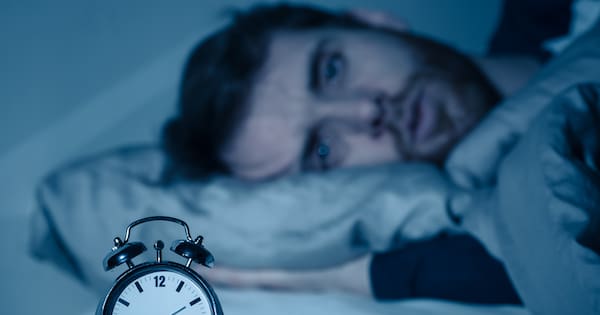
Traveling can be exciting, but the unfamiliarity of new surroundings can also pose challenges for getting a good night’s sleep. If you often find yourself tossing and turning in hotel rooms or new places, you’re not alone. Let’s explore the reasons behind this phenomenon and some tips for better sleep when away from home.
Broken routines and missing sleep cues
Your brain thrives on predictability, especially during sleep, a time when we are most vulnerable.
A harmonious mix of internal and external cues creates an ideal environment for rest. Internally, your body lowers its core temperature and releases melatonin, a hormone responsible for sleepiness, making you less alert.
Externally, your surroundings should complement these internal signals. At home, routine wind-down habits and familiar settings reassure your brain that it’s safe to sleep.

However, sleeping in a new place can disrupt the familiar sights, sounds, and sensations your body relies on.
Changes in lighting, such as hotel room clocks or street lights, unfamiliar noises like elevators, traffic, and neighbors, and variations in bedding, such as firmer mattresses or softer pillows, can all impact your ability to sleep. Additionally, engaging in different activities, such as dining out later or working on your laptop in bed, may contribute to this disruption.
An alert brain in a new place
From an evolutionary standpoint, lighter sleep or more frequent awakenings in unfamiliar settings serve as a protective mechanism, enabling us to detect potential threats. This phenomenon is referred to as the “first-night effect,” whereby our brains remain partially alert when sleeping in new environments.
Research indicates that, during the first night in a new location, the left hemisphere of the brain remains more responsive to unfamiliar sounds—even during deeper stages of sleep. However, this heightened alertness typically diminishes once we become accustomed to the new surroundings.
Even as you start to adjust, other factors can still disrupt sleep.
Stress, travel and emotions
Adjusting to a new environment can also create stress. Your mind might be racing with logistical concerns, such as an early flight or the possibility of forgetting essential items, compounded by the effects of jet lag.
Emotions like homesickness, excitement, or anxiety can further interfere with sleep. Even positive stress, such as excitement about a big adventure, activates the same brain systems as negative stress, making it challenging to relax and fall asleep.

When your stress response is activated, it directly competes with the brain’s ability to relax and transition into sleep, even if you feel physically exhausted.
But some people actually sleep better away from home
For some individuals, being away from home can actually provide relief from daily distractions: no chores, no unfinished tasks vying for your attention, and clearer distinctions between work and rest time.
The change in environment may also decrease nighttime rumination often associated with familiar home settings linked to stress. Research indicates that those who generally struggle with sleep at home tend to experience improved sleep while traveling.
If you find yourself sleeping better while away, it might be worth reflecting on your usual home environment and routines to identify aspects that could be made more conducive to restful sleep.
Tips for sweet dreams at home or away
Reassure yourself. A poor night’s sleep in a new location is not a reflection of something being wrong with you. It is a natural, protective response from a brain attuned to safety and familiarity, and it might take a night or two to adjust.
Choose sleep-friendly accommodation when possible. Some hotels are specifically designed to promote restful sleep with features like pillow menus, melatonin-rich food options, and even dedicated sleep butlers that can significantly enhance your experience.
Plan for a slower first day. If you anticipate sleeping in a new environment, it’s wise to adjust your expectations for the first night. Whenever possible, avoid scheduling demanding tasks the following morning to allow yourself time to adapt.
Pack your sleep routine in your suitcase. Similar to how parents prepare for a child’s bedtime, consider bringing items associated with your sleep routine. Familiar pillowcases, sleep masks, or scents that promote relaxation can provide comfort in an unfamiliar setting.
If you notice better sleep away from home, evaluate your home sleep routine and environment. Keep your bedroom cool and dark, and create a comfortable bed with supportive pillows and fresh linens. Establish a calming wind-down routine by dimming lights and limiting screen time in the evening, and maintain consistent sleep and wake times, even on weekends.
Charlotte Gupta is a sleep researcher at the Appleton Institute, HealthWise Research Group, CQUniversity Australia.
Dayna Easton is a postdoctoral research fellow at the College of Medicine and Public Health, Flinders University, Australia.
This article was republished from The Conversation under a Creative Commons licence.
Key Takeaways
- New environments can hinder sleep due to changes in routine and unfamiliar stimuli.
- The brain may remain alert in new places, affecting sleep quality.
- Stress and emotional responses can interfere with the ability to fall asleep.
- Conversely, some people may find improved sleep when traveling away from home.
- Establishing familiar sleep routines and environments can enhance sleep quality.
FAQ
Question
What is the “first-night effect”?
The “first-night effect” refers to the phenomenon where individuals experience lighter sleep in unfamiliar surroundings as a protective mechanism.
Question
How can I improve sleep in a new hotel?
Bringing items from home that you associate with relaxation can help, along with choosing accommodations that focus on sleep-friendly amenities.
Question
Can positive stress affect sleep?
Yes, emotions such as excitement can activate the same brain systems as negative stress, making it harder to relax and fall asleep.