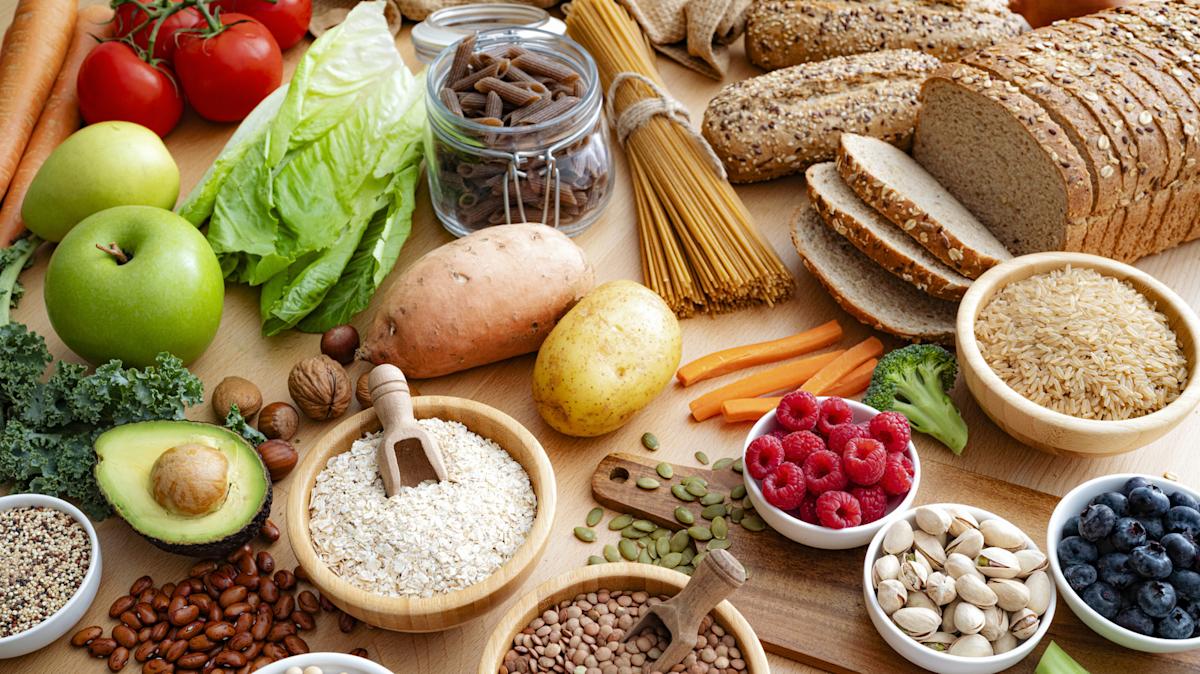

Variety of high fiber foods like whole-grain breads, beans, vegetables, and fruits – Fcafotodigital/Getty Images
Fiber is a crucial component of a balanced diet and plays a vital role in maintaining digestive health. However, research from the American Journal of Lifestyle Medicine reveals that only 5% of Americans meet their recommended daily fiber intake. While it may be tempting to replace your usual breakfast with fiber-rich options like raisin bran, it’s essential to understand that overconsumption of fiber can cause issues for some individuals.
Adverse reactions to high-fiber diets are not uncommon. As dietitian Kathleen Benson explains to Tasting Table, symptoms may include bloating, gas, abdominal discomfort, and even constipation. In more severe cases, individuals might experience intestinal blockages or challenges absorbing nutrients.
This might seem counterproductive, given that fiber is typically regarded as beneficial for digestion. Benson points out that the problem often lies not with the quantity of fiber itself, but rather the abrupt increase in intake. She notes, “Usually it is not that fiber is bad for them. It is more about how fast they increased it, and whether they are drinking enough fluids alongside it.” The important takeaway is that fiber should remain a part of your diet, but it’s crucial to manage its inclusion thoughtfully.
Read more: These 10 Canned Foods Are Healthier Than You Think
How Much Fiber Should You Be Eating?

Hands holding bowl of brown rice topped with salmon and high-fiber vegetables – Alvarez/Getty Images
The general guidelines suggest that adults should consume between 25 to 38 grams of fiber daily. If your current intake falls below these recommendations, you’re not alone; Harvard Health reports that the average adult consumes only 10 to 15 grams daily. If this describes you, Benson advises against making sudden changes. “Going from low intake to that [target] level overnight can feel pretty uncomfortable,” she cautions. Her recommendation is to increase intake gradually, by about 3 to 5 grams at a time, allowing your body a week or two to adjust before increasing again.
As each person’s body reacts differently, it’s crucial to monitor your symptoms closely. Benson further emphasizes, “If symptoms show up, I have people scale back slightly, focus on hydration, and ensure they are consuming a diverse range of fiber sources rather than relying on just one high-fiber food.”
Variety is key when it comes to fiber, as there are two main types your body needs. Insoluble fiber aids in satiety and prevents constipation, while soluble fiber supports heart health, bowel function, and stabilizes blood sugar levels. If you’re unsure where to begin, check out these high-fiber foods that will fit into any diet.
Are you eager to learn more about food? Sign up for our free newsletter, where we help thousands of food enthusiasts like you become culinary masters, one email at a time. You can also add us as a preferred search source on Google.
Read the original article on Tasting Table.