Navigating the World of K-Beauty: Protecting Yourself from Counterfeit Products
As the popularity of Korean beauty (K-beauty) continues to soar, a worrying trend has emerged: the proliferation of counterfeit products. With South Korea’s cosmetics exports surpassing $11.4 billion last year, the demand for authentic Korean beauty items has led to the widespread emergence of knockoffs. Understanding how to avoid these imitation products is essential for savvy shoppers who want to protect their beauty routines and investments.
Understanding the Rise of Counterfeits
The expansion of e-commerce and global distribution networks has allowed counterfeit cosmetics to spread rapidly on both online platforms and local retail channels. Many of these fakes not only copy trademark names but also mimic packaging designs, colors, and even product concepts. Last year, intellectual property infringements in the K-beauty sector incurred damages estimated at 1.1 trillion won (approximately $825 million).
According to data from the Korea Customs Service, cosmetics accounted for a significant 35.9 percent of all counterfeit K-brand items seized— a staggering 41,903 cases. Some famous brands affected include Skin1004 and Beauty of Joseon, reflecting the extensive reach of counterfeit products.
Safety Risks of Counterfeit Cosmetics
Reports of counterfeit Korean cosmetics have surged dramatically, moving from 16,774 cases in 2023 to over 36,000 in just one year. The prevalence of copying has been particularly high among color cosmetics, skincare, and functional products, which enjoy rapid brand recognition. Consumers should be aware that such counterfeit products often contain unverified ingredients, posing potential safety risks.
Spotting Imitation Products
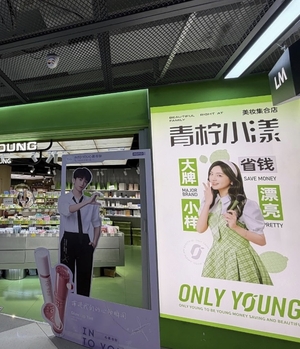
A notable case highlighting the issue of imitation is a beauty store in Changsha, Hunan Province, China, named “Only Young.” The store closely resembles the well-known K-beauty retailer CJ Olive Young—sharing similar branding elements such as logos and color schemes. Such imitation can easily mislead consumers unfamiliar with authentic brands.
With a rapid expansion that includes nationwide free shipping and marketing strategies that heavily incorporate Korean cultural elements, it’s easy to see why many shoppers could be confused. The store even uses K-pop music in promotional content on platforms like Douyin, further blurring the lines between genuine K-beauty stores and knockoffs.
Protecting Yourself from Counterfeits
-
Research Products: Familiarize yourself with the brands and their official websites or retailers. Knowledge is your best defense against counterfeit products.
-
Check Packaging: Authentic K-beauty products often have high-quality packaging, including well-printed labels and secure seals. If something seems off, it probably is.
-
Buy from Reputable Sources: Stick to official websites or authorized retailers. Avoid purchasing from unknown or unverified online vendors.
-
Look for Reviews: Consumer feedback can be an invaluable resource. Search for online reviews or discussions about a product or retailer to assess credibility.
-
Be Cautious of Deals: If a deal seems too good to be true, it likely is. Steer clear of products sold at a significantly lower price than usual.
Conclusion
As the K-beauty phenomenon continues to grow, being aware of the challenges posed by counterfeit products is crucial for ensuring your beauty regimen remains safe and effective. By understanding how to identify potential fakes and taking the right precautions, you can enjoy the benefits of authentic Korean cosmetics without the risks. Stay informed, shop wisely, and embrace the beauty of K-beauty confidently!