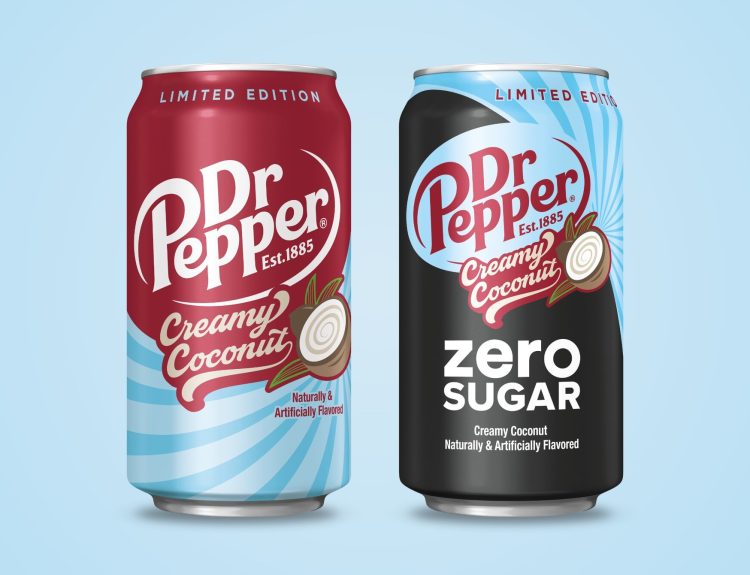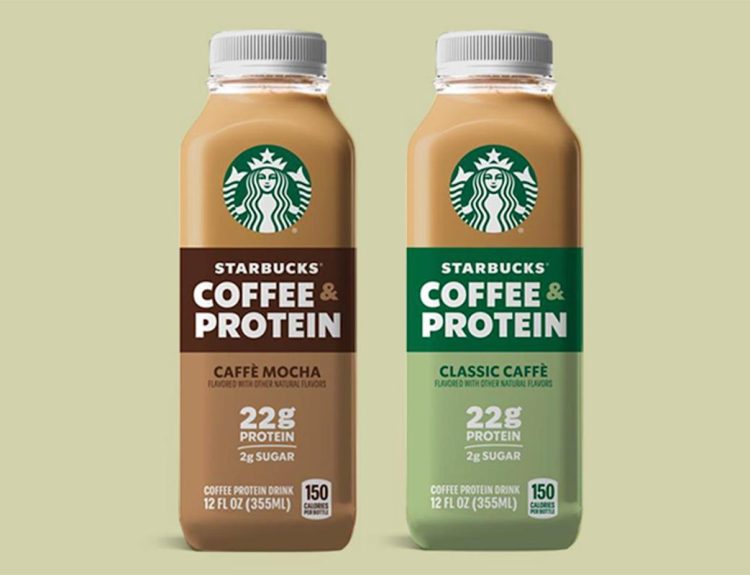
PepsiCo, Inc.PEP is strategically enhancing its functional portfolio in response to the increasing consumer interest in health-oriented products that promote hydration, provide protein, support digestive health, and improve overall nutrition. This initiative encompasses both beverages and snacks, aiming to strengthen its presence in performance drinks and healthier snack options as part of a broader move to diversify away from traditional carbonated soft drinks and salty snacks.
The demand for functional snacks and beverages is significantly contributing to PepsiCo’s growth strategy, driven by a surge in consumer preference for healthier products. The company is focusing its investment in areas such as zero-sugar beverages, prebiotic drinks, protein-infused options, and performance hydration products. Additionally, it is enhancing its snack portfolio by incorporating healthier ingredients and improved functional nutrition.
This shift towards a functional portfolio positions PepsiCo to benefit from fast-growing categories that are often able to command premium pricing and foster strong customer loyalty. Nonetheless, the functional food and beverage market remains highly competitive, with both emerging wellness brands and well-established industry giants vying for the attention of health-conscious consumers. It will be crucial for PepsiCo to maintain product flavor, validate health claims, and uphold brand integrity to ensure long-term success.
Functional snacks and beverages represent a significant opportunity for sustained growth at PepsiCo, especially as these products need to achieve substantial scale to counterbalance the slowing growth in the company’s traditional categories. PepsiCo’s extensive global distribution network and strong brand portfolio provide a distinct advantage, enabling efficient scaling of functional offerings across various markets.
PEP’s Peers: How are They Doing?
The Coca-Cola CompanyKO maintains a diverse global portfolio of non-alcoholic beverages, including carbonated drinks, hydration options, energy drinks, juices, dairy, coffee, tea, and functional beverages. Coca-Cola focuses on brand-driven growth, premiumization, zero-sugar innovations, and expansion into faster-growing market segments. The company is dedicated to producing strong innovations, enhancing product development, expanding its offerings, and engaging consumers robustly.
Monster Beverage CorporationMNST continues to thrive in the expanding global energy drinks market, fueled by rising demand in convenience stores and other major retail outlets. In the third quarter of 2025, sales within the Monster Energy segment increased by 16% on a currency-adjusted basis. Monster remains committed to innovation with its new flavors and health-oriented products, while also streamlining its supply chain and implementing strategic pricing. Following the success of its $1 billion Ultra brand, Monster Beverage has also unveiled a fresh visual identity and merchandising strategy, featuring dedicated Zero Sugar coolers, backed by a viral social media campaign surrounding its flagship Zero Ultra drink.
PEP’s Price Performance, Valuation and Estimates
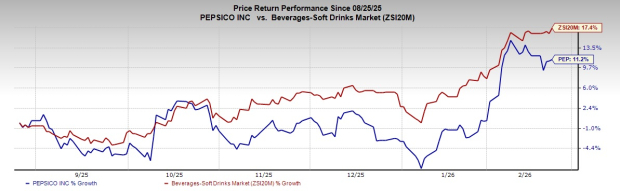
Over the last six months, PepsiCo’s shares have risen by 11.2%, contrasting with the industry’s growth of 17.4%.
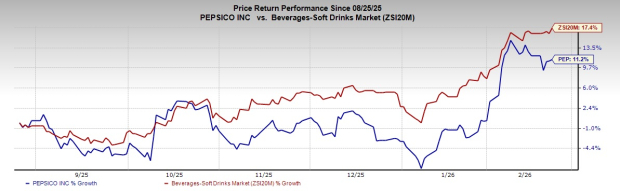
Image Source: Zacks Investment Research
In terms of valuation, PEP is currently trading at a forward price-to-earnings ratio of 19.09, compared to the industry average of 20.32.

Image Source: Zacks Investment Research
The Zacks Consensus Estimate projects PepsiCo’s earnings per share (EPS) to increase by 5% and 6.5% in 2026 and 2027, respectively. However, these estimates have seen a downward trend over the past 30 days.
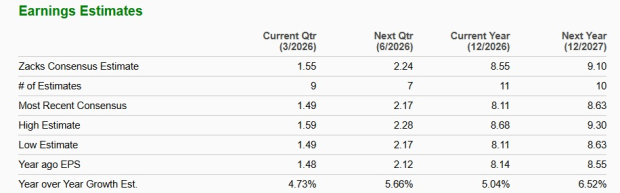
Image Source: Zacks Investment Research
PepsiCo currently holds a Zacks Rank #3 (Hold).
You can see the complete list of today’s Zacks #1 Rank (Strong Buy) stocks here.
Key Takeaways
- PepsiCo is expanding its focus on functional snacks and beverages to meet rising consumer health preferences.
- Investments are being directed toward categories like zero-sugar beverages and protein-based products.
- The competitive landscape is challenging due to emerging wellness brands and existing industry players.
- PepsiCo plans to leverage its extensive distribution network for efficient scaling of these products.
- Stock performance shows moderate growth, with projections for gradual earnings increases.
FAQ
What types of products is PepsiCo focusing on in its expansion?
PepsiCo is focusing on functional snacks and beverages, particularly zero-sugar options, prebiotic drinks, and protein-based offerings.
How has PepsiCo’s stock performed recently?
PepsiCo’s shares have increased by 11.2% over the past six months, slightly behind the industry’s growth of 17.4%.
What is the current valuation of PepsiCo’s stock?
PepsiCo trades at a forward price-to-earnings ratio of 19.09, which is below the industry average of 20.32.
What is the outlook for PepsiCo’s earnings?
The Zacks Consensus Estimate indicates a projected EPS increase of 5% in 2026 and 6.5% in 2027.
In conclusion, PepsiCo’s strategic shift towards a functional product portfolio reflects the growing consumer trend towards health-oriented choices. By leveraging its brand strength and distribution capabilities, the company aims to sustain its growth trajectory in a competitive market.