Economic Benefits of Renewable Energy in Rural Communities
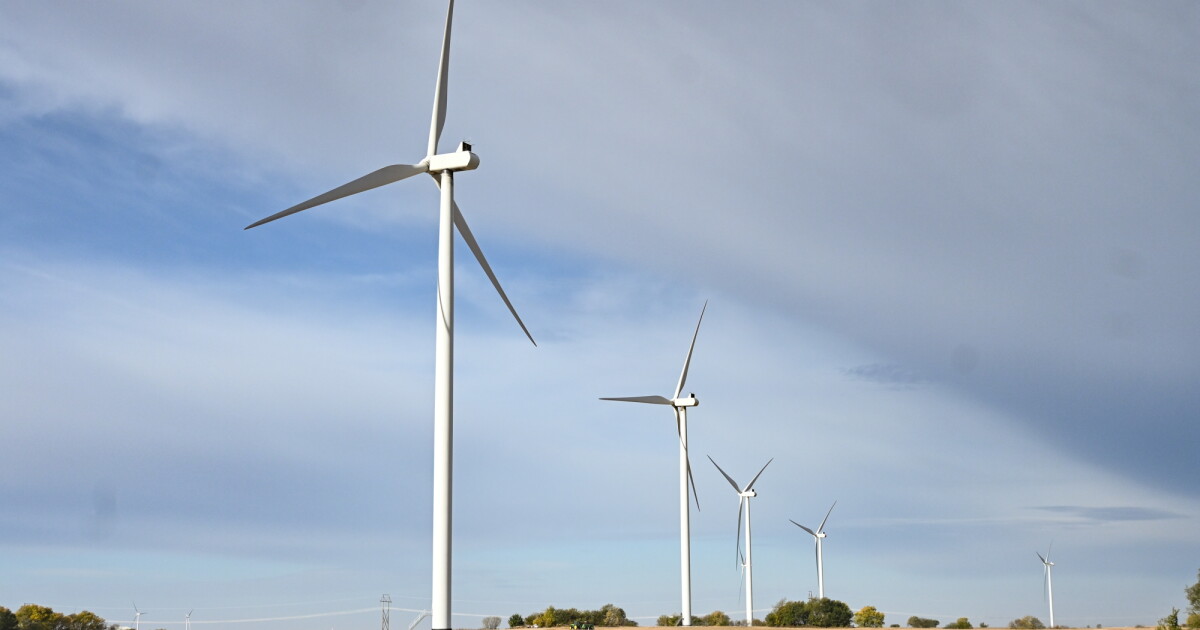
Recent research indicates that wind and solar farms can significantly boost the economy in rural areas. As power companies move away from fossil fuels, the energy produced from renewable sources is seeing substantial growth.
Key Findings from the University of Missouri Report
A report from the Center for Rural Energy Security at the University of Missouri explores the economic impact of renewable energy in rural counties from 2001 to 2023. Key findings include:
- Economic Growth: Communities with renewable energy infrastructures, especially wind, experienced about a 7% increase in GDP. Employment and wages in utilities, construction, and transportation sectors grew by 10% to 20%.
- Impact on Agriculture: The study found no negative correlation between renewable energy development and agricultural GDP, employment, or wages, suggesting that agriculture can coexist with renewable energy projects.
Local Concerns and Community Sentiments
Economist Adrienne Ohler, who led the research, emphasizes that renewable energy may not be suitable for every community. Local ordinances can help address concerns such as property values and land usage:
“Renewable energy isn’t right for every community…there are good reasons to adopt it and good reasons to set up regulations.”
Josh Moenning, director of New Power Nebraska, notes that counties that have embraced reasonable regulations for renewable development have reaped economic benefits.
Legislative Landscape in Missouri and Other States
In Missouri, there has been a rise in proposed legislation either to limit or ban renewable energy projects. Concerns about property rights and quality of life in rural areas often drive these legislative efforts. Despite this, advocates argue that the increased tax revenues from renewable energy can significantly benefit local districts:
“What’s going to benefit a school district, fire district, ambulance district? Those are the things that I think rural communities certainly do care about,” says James Owen, executive director of Renew Missouri.
Growing Regulations and Standards
Many rural areas are seeing a rise in regulations regarding renewable energy. The Center for Rural Affairs reports a 45% increase in the number of counties in Iowa, Minnesota, Nebraska, and South Dakota establishing renewable energy ordinances in the last two years. These ordinances often manage:
- Vegetation around energy infrastructure
- Guidelines for plant closure
- Setback requirements from roads and neighboring properties
Conclusion
The evidence suggests that renewable energy can provide significant economic benefits to rural communities while maintaining agricultural viability. However, a balance must be struck between development and community concerns, and reasonable regulations can create opportunities for growth while addressing local issues.
For communities considering renewable energy projects, learning from successful policies in other counties may provide a path to effectively harnessing the economic potential of solar and wind energy.


