Boston is taking a significant step toward enhancing its urban environment by leveraging artificial intelligence (AI) to address one of its pressing infrastructure issues: the management of curb space.
The Boston Curb Lab, which was launched this month with the support of a Department of Transportation SMART Grant, aims to innovate curb management by utilizing AI to oversee a comprehensive database of curb regulations, ultimately facilitating more informed policy decisions throughout the city.
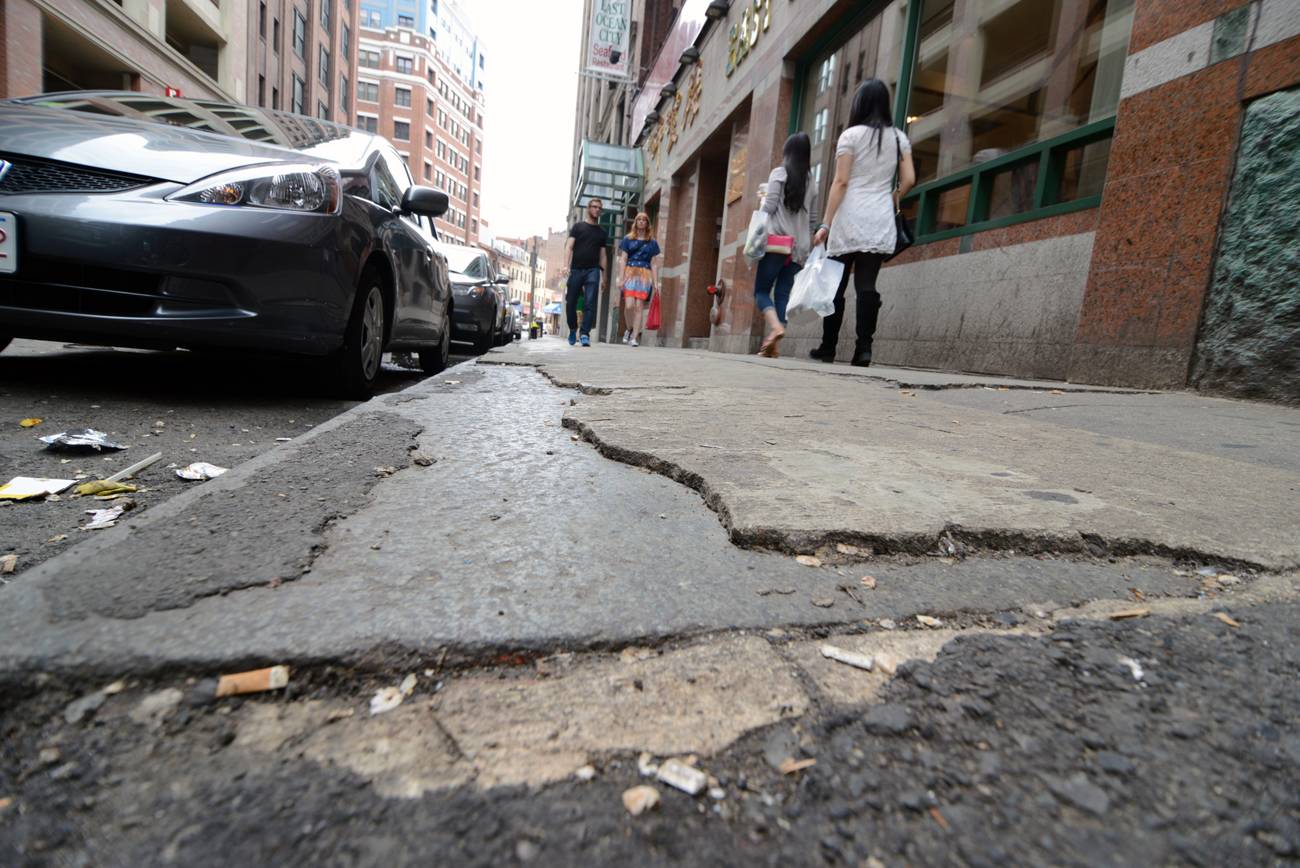
Curbs fulfill numerous roles, including serving as loading zones, bus stops, bike stands, accessible drop-off points, and areas for outdoor dining. To effectively allocate and optimize these valuable spaces between streets and sidewalks, municipalities must implement effective regulations.
Additionally, the Curb Lab is digitizing parking regulations into an easily searchable citywide map designed for residents, delivery personnel, urban planners, and local businesses.
“Every delivery truck circling for a loading zone contributes to congestion and emissions. Every unclear sign and process leads to unwarranted confusion and safety hazards,” said Michael Lawrence Evans, director of the Office of Emerging Technology, in a press release regarding the initiative. “These issues impact mobility, business operations, and overall quality of life in our neighborhoods. The Curb Lab is our solution to this challenge.”
To support its objectives, the Curb Lab is also employing the Curb Data Specification, a framework provided by the Open Mobility Foundation. This tool assists cities in managing curb zones, including loading restrictions and time limitations, and in producing a real-time inventory of curb space utilization across Boston. Officials believe that the insights derived from this specification will enhance public notifications, bolster safety, aid in tracking delivery congestion, and minimize unnecessary parking searches — a growing contributor to urban traffic and emissions.
“For over 40 years, our curb data has existed in isolated systems that didn’t interconnect,” Amelia Capone, Boston’s director of parking and curbside management, explained in the press release. “Thanks to the leadership of the Curb Lab, we can finally integrate these systems. This will result in reduced work duplication, quicker responses to constituent inquiries, and improved internal coordination, directly enhancing traffic flow and safety on our streets.”
Boston joins a growing number of cities implementing AI and advanced technology for improved curb management. In 2024, Ann Arbor, a college town in Michigan, adopted a digital curb inventory as part of a strategy designed to decrease violations and manage parking demand. Furthermore, Minneapolis and Seattle have also utilized SMART grants to find a balance between freight delivery needs and pedestrian safety.