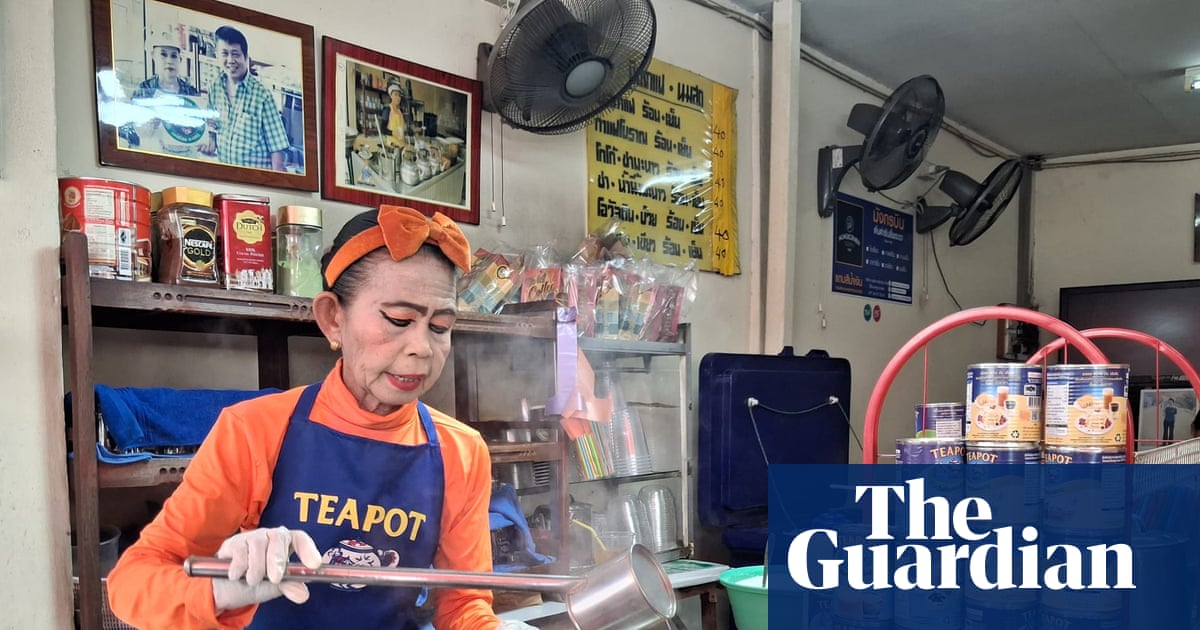
As the temperature rises in Bangkok, customers flock to Auntie Nid’s shop, eager to indulge in her renowned iced Thai tea. With phones in hand, they capture the moment as she expertly prepares this beloved beverage, blending rich flavors and sweet ingredients to create a refreshing treat.
Auntie Nid’s Signature Iced Thai Tea
The preparation begins with a generous pour of condensed milk into a glass, followed by three heaped tablespoons of sugar, and then freshly strained tea. The end product—a deep orange, creamy concoction—is poured into a plastic bag filled with ice.
“I want to spoil my customers,” says Auntie Nid, 68, who chooses to be known by her nickname.
Government Initiatives on Sugar Consumption
The Thai government is actively working to reduce the sugar content in the country’s popular beverages. This month, nine major coffee chains pledged to cut the amount of sugar considered “normal sweetness” in some drinks by half as part of a new initiative aimed at resetting taste buds and enhancing public health.
Thailand’s citizens consume an average of 21 teaspoons of sugar daily, significantly exceeding the World Health Organization’s recommended limit of six teaspoons. Sugary drinks are a primary contributor to this high consumption, with Thailand historically ranking among the highest in Asia for calorie intake from sweetened beverages.
In efforts to address this issue, the government has implemented a sugar tax, which began rolling out in phases from 2017, with the final stage introduced last year, targeting pre-packaged sugary drinks.
This tax has made an impact, according to Pojjana Hunchangsith, an assistant professor at Mahidol University. “One of the most significant effects has been product reformulation, with many manufacturers reducing sugar levels to avoid higher tax rates,” she explained.
However, this tax does not apply to street vendors or cafes, where patrons can choose from a wide variety of sweet options such as boba milk teas, iced cocoa, lemon tea, and pink milk, a Thai drink made from sala syrup. “They are very important sources of sugar intake in Thailand,” Pojjana noted, but regulating freshly made drinks proves challenging.
The newest government initiative includes some of the country’s largest cafe chains. Many establishments now display cards offering different sweetness levels: 0%, 25%, 50%, 75%, and 100%. Under the new campaign, 100% sweetness will be reduced to half of its previous sugar content for certain drinks.
Ann Thumthong, 55, a taxi driver in Bangkok, appreciates these measures, stating that avoiding sweet items can be difficult when purchasing food and drinks.
“It is possible to retrain your sweetness preferences so that you need less sugar,” Thumthong shared, noting that she has become more health-conscious over the years. “In the past, I would go straight for dessert after a meal, but now I choose fruits instead.”
Phumsith Mahasuweerachai, an associate professor at Khon Kaen University’s faculty of economics, explained the potential to encourage better choices with minor adjustments. His research indicated that simply allowing customers to choose their drink’s sweetness prompted them to select less sugary options, whereas displaying calorie information did not significantly influence their decisions.
“If we don’t nudge customers or prompt them, it’s challenging for them to make that change,” he commented. “They go to the coffee shop, and it’s automatic.”
At Auntie Nid’s shop, customer Phakamas, 39, enjoys her iced cocoa during a lunch break, finding respite from Bangkok’s heat.
“I think consuming sugar is okay; I don’t do it very often—maybe a cup or two a week,” she stated.
Auntie Nid, who has been serving teas and coffees in Bangkok’s old town for three decades, is resistant to altering her recipes.
“No, no, no,” she insists as a queue of tourists and local workers stretches out the door. Thanks to social media, her shop has gained notoriety among foreign visitors.
“The reason these drinks are popular is due to their strong, intense taste,” she shared. “Without sugar, coffee and tea can be bland and bitter.”
Key Takeaways
- Auntie Nid’s iced Thai tea is a beloved local treat prepared with condensed milk and sugar.
- The Thai government aims to reduce sugar consumption by cutting sugar content in drinks offered in cafes.
- Average sugar consumption in Thailand is significantly above WHO recommendations, largely due to sugary beverages.
- A sugar tax has prompted many manufacturers to reformulate their drinks to avoid higher rates.
- Street vendors and cafes remain challenging to regulate concerning sugar content.
- Consumer preferences can be influenced positively through options and prompts.
FAQ
What initiatives is the Thai government taking to reduce sugar consumption?
The government has implemented a sugar tax and is working with major cafes to lower the sugar content in beverages.
How does sugar consumption in Thailand compare to global guidelines?
Thais consume an average of 21 teaspoons of sugar daily, well above the World Health Organization’s recommendation of six teaspoons.
Are street vendors affected by the sugar tax?
No, the sugar tax primarily targets pre-packaged sugary drinks and does not apply to street vendors or cafes.
Can consumer preferences be changed regarding sweetness in drinks?
Yes, studies show that offering options for sweetness levels can lead customers to choose drinks with less sugar.
What is Auntie Nid’s stance on altering her recipes?
Auntie Nid is resistant to changing her recipes, believing that sugar is essential for flavor in her drinks.