Related video above: Federal lawmakers debated the merits of these SNAP restrictions in 2024
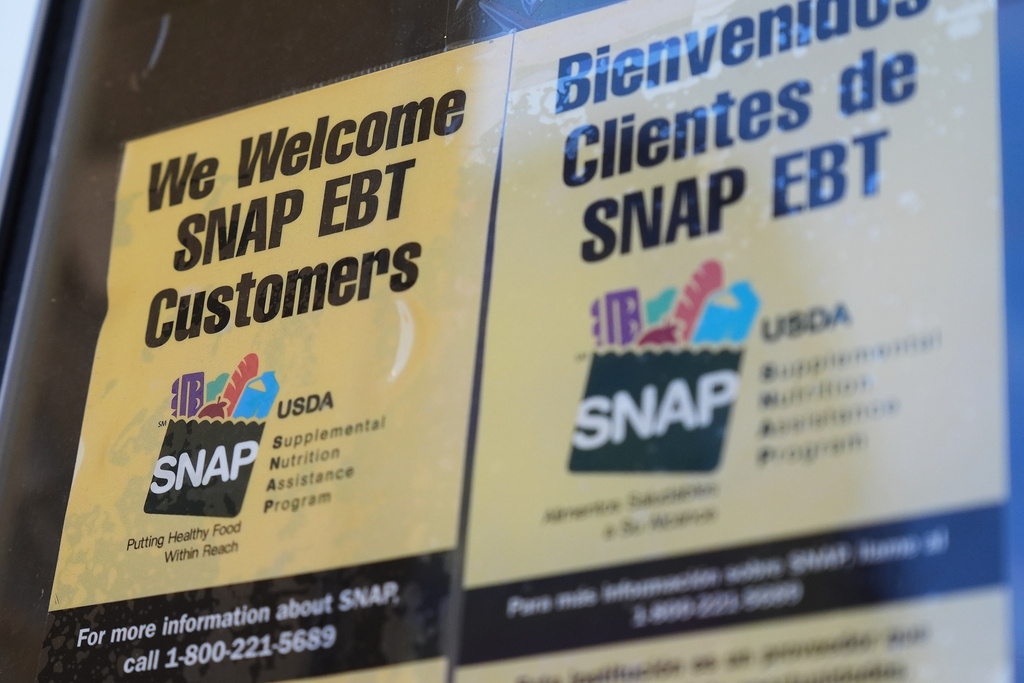
(NEXSTAR) – This week, three additional states are enforcing new limitations on the types of products that can be purchased with SNAP benefits.
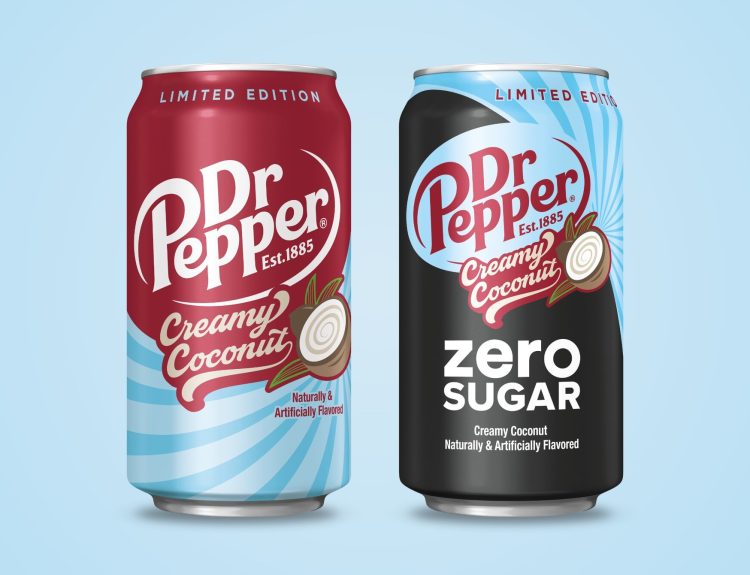
Oklahoma, Idaho, and Louisiana have announced the implementation of restrictions as outlined in waivers from the United States Department of Agriculture, which oversees the SNAP program. These changes are part of a larger trend aimed at banning the purchase of sugary beverages and candy with federal food assistance.
To date, the USDA has approved waivers for 18 states. The specific rules and implementation timelines differ among states, but generally, beneficiaries of SNAP will no longer be permitted to purchase soda, energy drinks, or candy with their monthly assistance.
The new regulations took effect on Sunday in Idaho and Oklahoma, while they will begin on Wednesday in Louisiana.
The next set of changes will occur in Colorado, Florida, Texas, and West Virginia, with retailers in these states having deadlines in April to adhere to the new guidelines. (You can view the specific restrictions for each state by clicking on the map below.)
Each state has some flexibility in defining which beverages and candy will be banned. For instance, Oklahoma will prohibit any product marketed as a soda, soft drink, sports drink, energy drink, flavored water, or juice drink containing less than 100% juice.
The state’s restrictions on candy also include items like candy bars and chocolate-covered nuts or fruits.
Iowa is pursuing a different strategy to limit SNAP purchases of unhealthy foods. Beginning in January, the state will restrict purchases to only non-taxable food items. In Iowa, candy, prepared food, and soft drinks incur sales tax, thereby disqualifying them for SNAP purchases.
“With these new waivers, we are empowering states to lead, protecting our children from the dangers of highly-processed foods, and moving one step closer to the President’s promise to Make America Healthy Again,” stated USDA Secretary Brooke Rollins in a press release.
However, critics argue that these restrictions impose undue limitations on low-income individuals. Chris Bernard from Hunger Free Oklahoma expressed concerns, stating, “It’s an opportunity to say you’re doing something, while really just stigmatizing a single group of people for choices that everybody in America really makes.”
SNAP, which was formerly known as the Food Stamp Program, assists approximately 1 in 8 Americans in affording their groceries.
The recent bans on soda and candy are not the only limitations on SNAP benefits. Non-food items (such as soap or paper products), alcohol, tobacco, vitamins, medications, and hot foods are universally prohibited across all states.
Key Takeaways
- New SNAP restrictions banning the purchase of sugary drinks and candy are being implemented in Oklahoma, Idaho, and Louisiana.
- These regulations are part of a broader initiative by the USDA, which has approved waivers for 18 states.
- Each state has flexibility in defining which items are considered banned.
- SNAP restrictions vary by state, with implementation schedules that differ as well.
- Critics of the restrictions argue they disproportionately affect low-income individuals.
FAQ
What can I no longer buy with SNAP benefits?
You can no longer purchase sugary drinks, energy drinks, or candy in states implementing these restrictions.
Which states are currently rolling out these restrictions?
Oklahoma, Idaho, and Louisiana are implementing these changes this week.
What is the purpose of these SNAP restrictions?
The goal is to reduce the consumption of unhealthy foods and promote better dietary choices among SNAP beneficiaries.
Are there other items prohibited from SNAP purchases?
Yes, non-food items, alcohol, tobacco, and hot foods are already banned across all states.
When will the next changes occur?
Changes will take place in Colorado, Florida, Texas, and West Virginia with deadlines set for April.
In summary, the latest restrictions on SNAP benefits aim to promote healthier choices among beneficiaries while facing criticism for their impact on low-income individuals. Observers are watching how these policies will evolve in various states.