Introduction
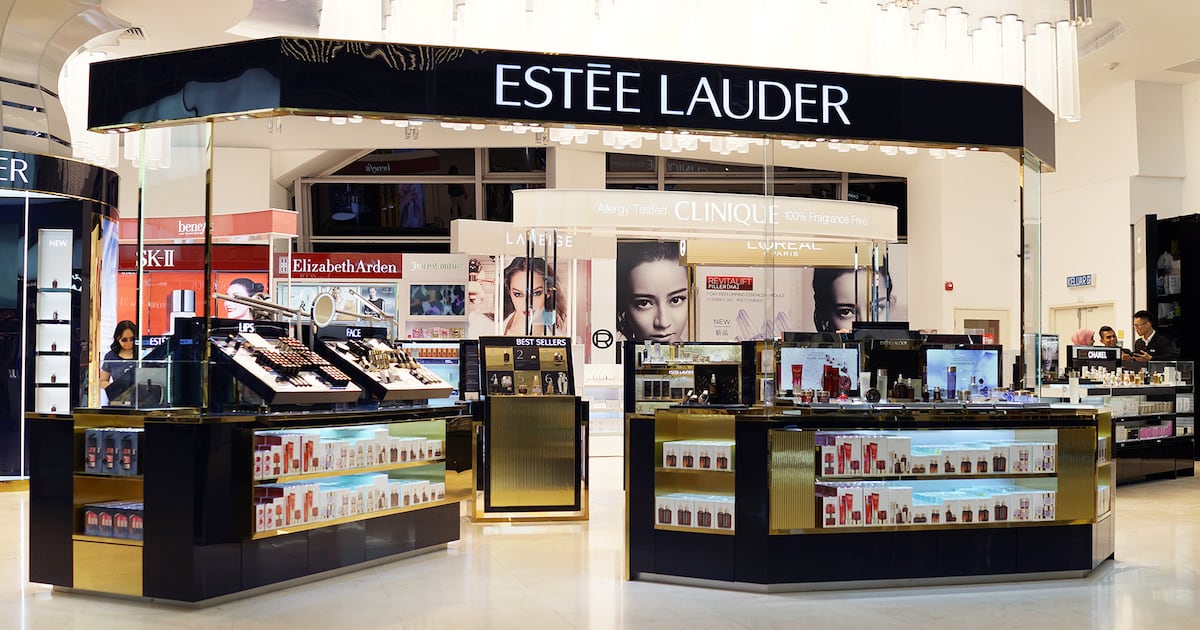
In the fast-paced world of the beauty industry, companies must constantly innovate and adapt to consumer demands. At the forefront of these changes is Estée Lauder, a powerhouse known for its prestigious brands such as Jo Malone and Le Labo. Under the leadership of CEO Stéphane de La Faverie, the company is navigating a transformative period aimed at revitalizing its market presence and profitability. This article explores Estée Lauder’s plans and strategies for growth while highlighting critical insights into the broader beauty market.
Estée Lauder Companies, renowned for its luxurious beauty brands, is actively exploring acquisition opportunities to bolster its portfolio. As the company embarks on its second year of a comprehensive turnaround plan, CEO Stéphane de La Faverie emphasizes the importance of strategic mergers and acquisitions (M&A) discussions.
“We are examining our portfolio closely, and we’ll remain engaged in M&A activities,” De La Faverie stated in a recent interview with Bloomberg TV. His vision focuses on accelerating growth and enhancing profitability, which includes nurturing and scaling both established and emerging brands.
Facing declining market share in the United States and sluggish sales in China, Estée Lauder is on a mission to increase its market competitiveness. The company’s stock has surged more than 50% over the past year, although it faced a downturn when the recent outlook did not meet investor expectations.
In a positive note, De La Faverie mentioned that Estée Lauder is experiencing a promising start this year in China, particularly in the fragrance segment. Additionally, brands like The Ordinary are performing well in the U.S. market.
As part of its strategy, Estée Lauder is likely to divest underperforming brands. Analysts have pointed to brands like Too Faced, Smashbox, and skincare lines such as Origins and Darphin as candidates for sale. This move aims to refocus resources and attention on more profitable ventures.
With recent developments like the U.S. Supreme Court’s decision to strike down tariffs set under the Trump administration, the impact on the company remains uncertain. Estée Lauder has previously indicated a potential $100 million decrease in profitability due to these tariffs, which may be felt predominantly in the coming months. However, De La Faverie reassured stakeholders that the company’s diverse manufacturing strategy is designed to mitigate adverse effects.
“You can’t control geopolitics,” he remarked, “but we can control how we operate our business and respond to external challenges.”
Conclusion
Navigating the complex landscape of the beauty industry requires agility and strategic insight. Estée Lauder’s approach under CEO Stéphane de La Faverie represents a thoughtful balance of innovation, portfolio management, and responsiveness to market dynamics. As the company seeks to enhance its market visibility and profitability, the success of these initiatives will be closely watched by investors and consumers alike. In a realm where consumer preferences rapidly evolve, staying relevant will be key for Estée Lauder and similar companies striving to maintain their competitive edge.