Embracing Diversity in Body Shapes: A Shift in the Fashion World
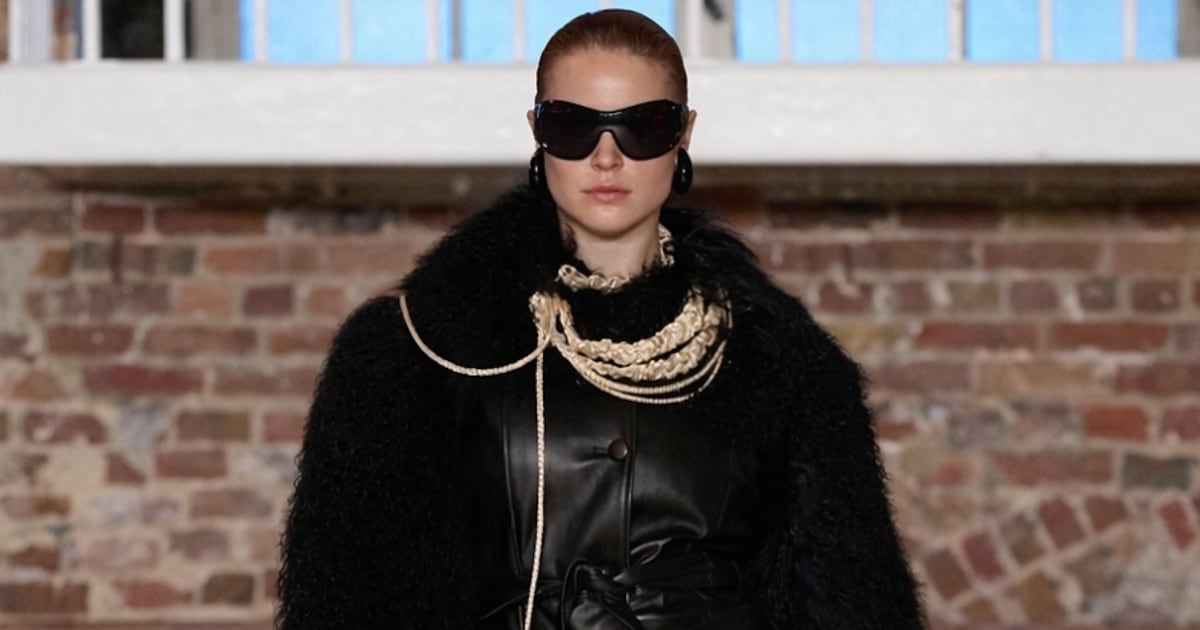
The fashion industry is witnessing a significant transformation, with body diversity returning to the spotlight. This shift is particularly evident at recent London Fashion Week, where designers showcased a range of sizes and body shapes that reflect a more inclusive view of beauty.
A Diverse Representation on the Catwalk
Emerging designers like Karoline Vitto, Phoebe English, and Sinead Gorey have made body inclusivity a focal point in their collections. Over four days, audiences saw models of various sizes, from a UK size 10-16, commonly classified as mid-size, to plus-size models starting at UK size 18. This stands in contrast to the traditional use of sample sizes—often falling between UK size 4-8—dominating mainstream fashion shows.
Concerns had been raised in the past about the dwindling presence of plus-size models. A report from Vogue Business last year revealed that plus-size representation comprised a mere 0.9% of catwalk looks across major fashion cities like New York, London, Milan, and Paris. However, the recent shows assert that the narrative of promoting ultra-thinness is being challenged.
Pushing Back Against Thin Ideals
At her first catwalk event in two years, designer Karoline Vitto highlighted the need for change, asking, “Where did all the curve models go?” After focusing on smaller customer-centric events, Vitto aimed to counter the narrative of “thin is back” with her size-inclusive brand that ranges from UK size 8 to 22. She deliberately selected models who mirrored her brand’s sizing, helping the audience visualize how the clothing would fit a broader range of body types.
Despite working with a limited budget, many models covered their own expenses to support Vitto. Notable figures like Jocelyn Corona and Nyakier Buong graced the runway, demonstrating that diverse talent is both available and ready to break traditional molds.
Innovative Casting Approaches
Some designers have adopted innovative casting methods, such as street casting, to source models from everyday life rather than relying on traditional agencies. This approach not only showcases a broader array of body types but also cuts down on costs, allowing for more authentic representation on the runway.
For instance, Phoebe English showcased her mother as a model, while Yaku Stapleton’s gaming-inspired show featured gymnasts and dancers, emphasizing diverse skills and body types. Additionally, Gorey’s collection celebrated curves through her signature corsetry and high hemlines.
A Call for Change at All Levels
Casting director Emma Mattel emphasizes the necessity for change to come from the industry’s upper echelons. While emerging designers are championing diversity, she notes that luxury fashion houses have yet to embrace inclusivity. The influence of established brands trickles down, shaping the modeling opportunities available for newer designers.
The trend shifting back toward thinner models is indicative of wider cultural norms. Factors such as the growing use of GLP-1 drugs for weight loss have contributed to a societal shift towards smaller body sizes.
Looking to the Future
Despite challenges, designers like Vitto remain hopeful about the future of body inclusivity in fashion. “Inclusivity is not a trend,” she asserts, recognizing that many serious designers view it as a fundamental aspect of their mission. She acknowledges the pioneering work of female-led brands that prioritize body diversity, highlighting a deeper understanding of the pressures women face regarding body image.
Age diversity has also taken center stage, with models over the age of 40 walking for brands like Erdem and Emilia Wickstead. This indicates a broader movement towards embracing not just varied body shapes but also diverse age representations in fashion.
Conclusion
The return of body diversity at London Fashion Week is a promising sign for the fashion industry. As designers increasingly embrace a wider variety of sizes and shapes, it opens the door for everyone to feel represented and celebrated in fashion. By pushing these boundaries, we pave the way for a more inclusive future where all bodies are seen, valued, and beautifully represented.