In Abu Dhabi, children’s school lunches are undergoing random inspections to ensure they adhere to healthy eating guidelines. This initiative aims to promote children’s well-being and encourages the consumption of nutritious foods.
The effort to eliminate unhealthy food options follows the release of a comprehensive list of banned items by the emirate’s education authority, part of a program to enhance students’ health and wellness.
The Red List, compiled by Abu Dhabi’s Quality and Conformity Council (QCC), applies to both private and public schools, detailing various items that are prohibited on school grounds, regardless of whether they are provided by the institution.
“Our primary duty supervisors and assistant heads carry out random lunch box checks and contact parents with polite reminders not to send unhealthy snacks or lunches,” stated Jan Stipek, principal at Raha Gardens.
“We also encourage alternatives such as fresh fruit skewers instead of traditional baked goods for celebrations at school. We view healthy eating habits as essential for student well-being, which directly influences their learning capabilities.
“To achieve this, we collaborate with parents and Food Nation, our cafeteria provider, to ensure that the food available to our students is nutritious and suitable for a busy school day while being nut-free. Our operations, including food services, align with Adek’s policies and expectations.”
The items prohibited by Adek fall into several categories: high-fat and high-sugar foods, unhealthy drinks, fruit-flavored syrups, processed meals high in fat, foods with additives, as well as certain dairy and soy products.
Compliance with this policy is expected from schools starting in the autumn of the 2025/26 academic year. The education authority emphasizes the vital role schools play in promoting healthy food choices.
What is banned?

Foods high in fat or sugar
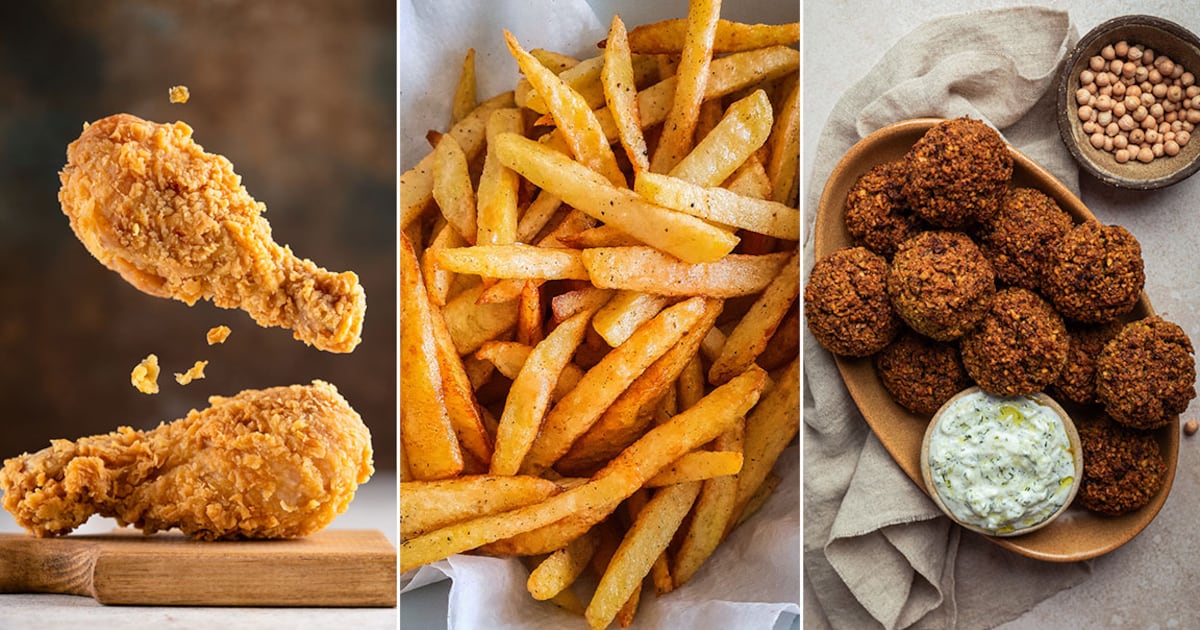
Banned foods that are high in fat or sugar include deep-fried items such as fried chicken, falafels, samosas, and fresh chips.
These foods are high in saturated fats and calories due to their oil content. Acceptable alternatives are oven-baked, air-fried, or roasted versions.
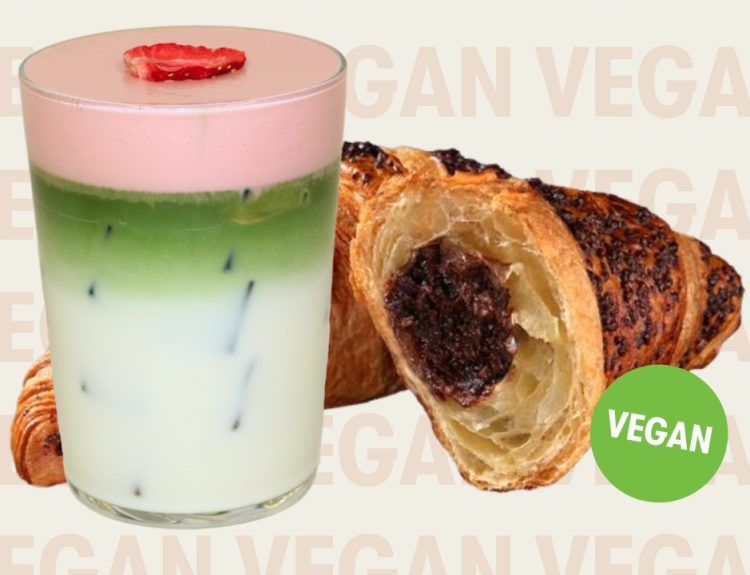
The list also includes cakes, doughnuts, croissants, sweet pastries, marshmallows, lollipops, ice creams (with less than 50% cocoa), and other desserts high in fat and sugar.
These products often contain excessive sugar and unhealthy fats, contributing to dental problems and obesity. Suggested alternatives are whole grain muffins with low sugar, fruit-based desserts, and dark chocolate.
Unhealthy beverages
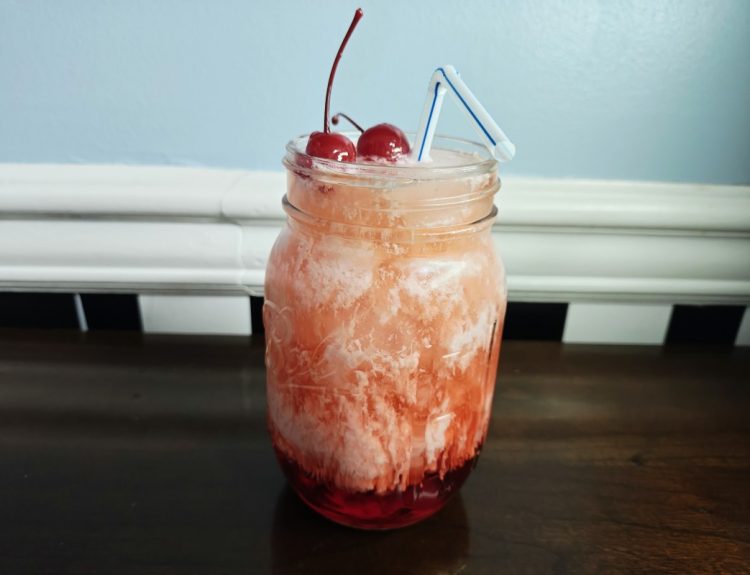
All soft drinks, including regular, diet, and zero-calorie variants, are banned due to their high sweetener and caffeine content, lacking nutritional value.
Water is the primary beverage served in schools as part of health initiatives, including during school events.
Energy and sports drinks are also restricted; however, isotonic sports drinks may be allowed under specific conditions as outlined by Adek.
Many sports drinks are high in sugar and caffeine, which poses additional health risks. Acceptable alternatives include water and electrolyte solutions recommended by health experts.
Caffeinated beverages, including both iced and hot tea and coffee, are included on the Red List due to their potential negative effects.
Excessive caffeine can impact children’s blood pressure, sleep, and focus, leading to recommendations against its consumption for those under 12. Alternatives such as decaffeinated herbal teas or warm milk are encouraged.
Processed and high-fat food
Processed foods, such as smoked salmon, turkey, and other deli meats, are also banned under Adek’s guidelines.
These items typically contain high levels of sodium, preservatives, and unhealthy fats that are associated with long-term health concerns. Acceptable substitutes include lean poultry, fish, and grilled or baked meats.
Certain cuts of beef, lamb, and camel that are high in fat are also prohibited.
These meats contain excessive saturated fat and sodium, increasing the likelihood of health issues. Alternatives include lean chicken breast, trimmed beef, or plant-based protein sources.
All non-Halal meat products are also included in the Red List.
Additive-containing foods
Foods with synthetic colorings and flavors are not permitted.
Examples of banned additives include Sunset Yellow E110, Quinoline Yellow E104, and various other artificial colors.
Additionally, products containing artificial sweeteners, preservatives, or flavorings derived from chemicals are also banned.
This is due to concerns that chemical additives can trigger hyperactivity or allergic responses. Alternatives include natural colorings derived from vegetable juices and fresh fruits.
Monosodium glutamate and other flavor enhancers are banned as they can provoke headaches and allergic-like reactions, while encouraging overeating. Fresh herbs, spices, onion, garlic, or citrus can be used for flavor enhancement instead.
High-fructose corn syrup is prohibited due to its strong connection to obesity and metabolic issues. Using minimal sugar, honey, or fruit purees is recommended.
Dairy and soy products
Dairy beverages that surpass authorized sugar or fat levels are included in the banned items, as excess saturated fat and sugar can undermine their nutritional value.
Recommended alternatives are plain milk, unsweetened yogurt, and natural cheese.
Soy milk and soy-based sauces are banned because many contain flavor enhancers, sweeteners, and additives. Other plant-based milk, such as coconut or oat milk, are suggested.
Processed cheese products, such as cream cheese and sandwich slices, are banned due to their high trans fat, salt, and additive content. Alternatives like low-fat mozzarella and reduced-fat cheddar are recommended.
Other restricted items
Pickled vegetables are prohibited due to their high salt content and preservatives, which exceed recommended sodium intake for children. Alternatives include fresh or lightly marinated vegetables with minimal salt.
High-calorie spreads, condiments, and sauces like mayonnaise and ketchup are banned because they typically contain high sugar, salt, or fat levels. Homemade options, low-fat mayonnaise, and reduced-sugar ketchup are encouraged.
Allergens such as nuts, soy, and sesame are included on the Red List due to allergy concerns. Suggested alternatives encompass seeds like chia, flax, pumpkin, and unsalted sunflower seeds.
Key Takeaways
- Abu Dhabi is implementing random checks on school lunches to promote healthier eating.
- The Red List outlines prohibited food and drink items in schools to support children’s well-being.
- High-fat, high-sugar foods, and unhealthy beverages are among the items banned.
- Schools are encouraged to provide healthier alternatives to ensure students thrive.
- Compliance with these guidelines is expected by the start of the 2025/26 academic year.
FAQ
What foods are considered high in fat and sugar?
Deep-fried items, certain desserts, and sugary beverages are classified under this category.
Are sports drinks allowed in schools?
Most energy and sports drinks are banned unless specified conditions allow isotonic sports drinks.
What are acceptable beverage options for students?
Water is the primary beverage served, with alternatives like electrolyte solutions recommended.
Can students bring packed lunches from home?
Yes, but parents must adhere to the Red List guidelines for food allowed.
What are some alternatives to banned snacks?
Suggestions include whole grain muffins, fresh fruits, and homemade snacks low in sugar and fat.