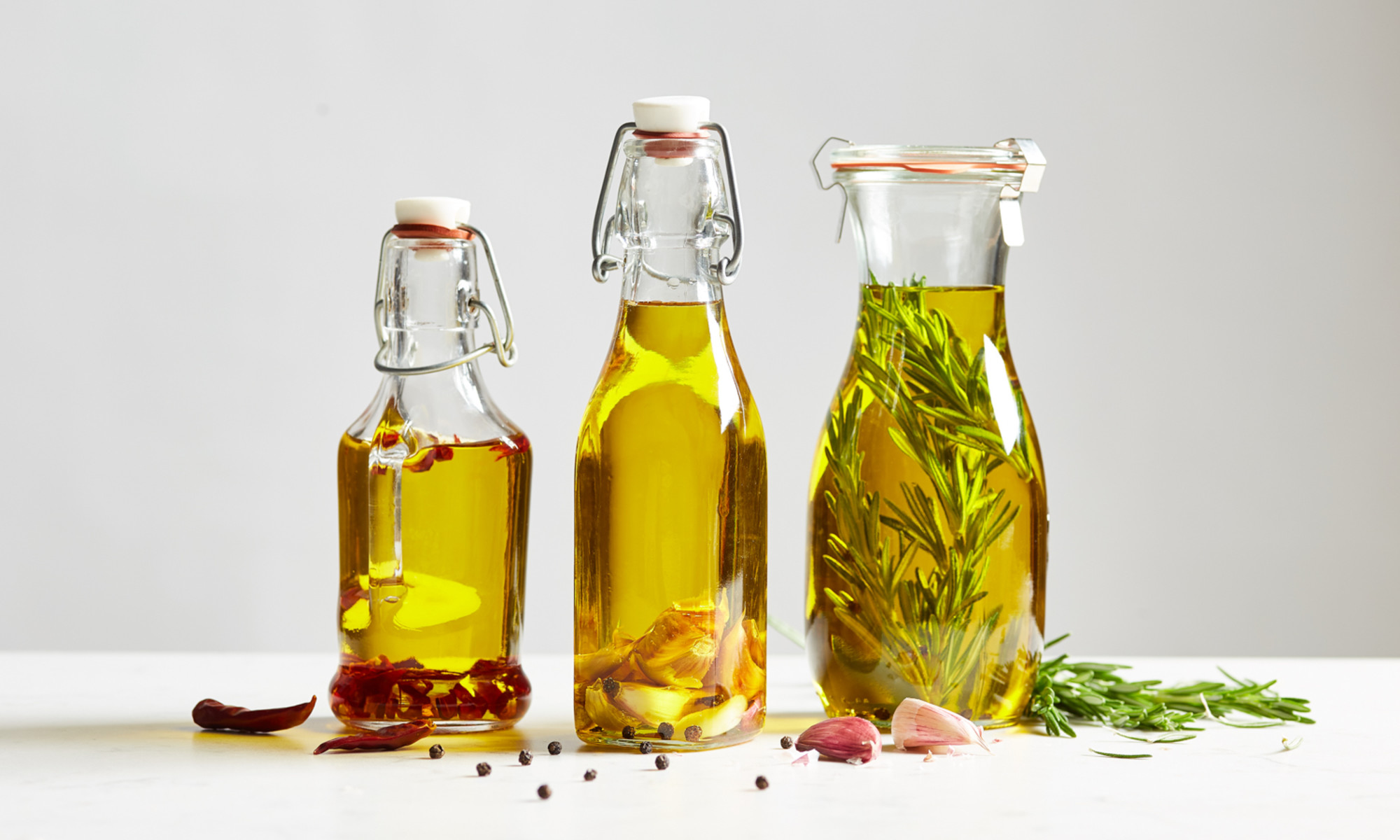
Understanding the Process of Vegetable Oil Production
Vegetable oil undergoes a more complex refining process compared to olive oil. This involves several key steps that transform seeds or fruits into the final product. Here’s a closer look at how vegetable oil is made.
The Production Steps
Initially, the journey of vegetable oil begins with the planting of seeds or fruits, followed by their harvesting and thorough cleaning. Once cleaned, the oil is extracted through either mechanical or chemical methods.
- Extraction: Most vegetable oils are produced using chemical extraction, often referred to as solvent extraction. This method typically involves heating the seeds and then mixing them with a solvent, commonly hexane.
- Refining: After extraction, the oil goes through several refining processes which include bleaching and deodorizing (RBD processes). These steps ensure that the final product has a uniform texture, a long shelf life, and a neutral flavor.
In summary, the production of vegetable oil is a detailed process that involves careful steps to ensure quality and consistency. Understanding these stages helps consumers appreciate the complexity behind this common cooking oil.