Understanding menu terminology is crucial for those with dietary restrictions, particularly when it comes to gluten. The terms used can often lead to confusion, especially when similar phrases have different meanings. This article explains the nuances of gluten-free labeling and what it means for those navigating menus in restaurants.

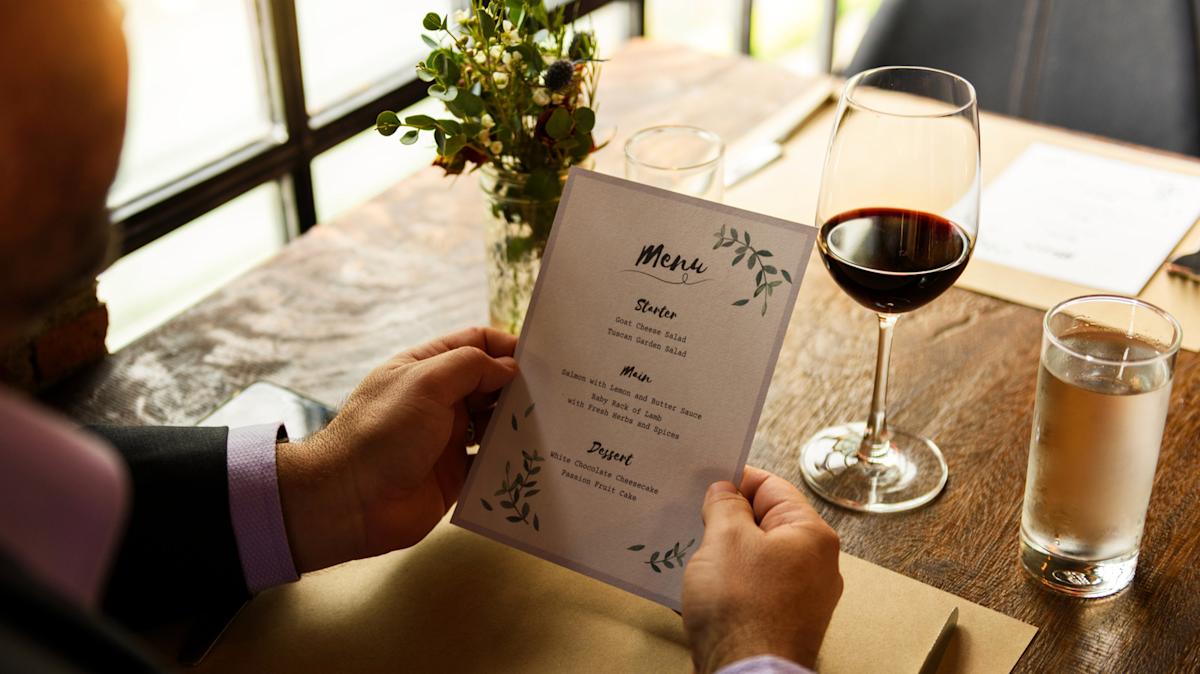
A person perusing a restaurant’s menu at a table with a glass of red wine and water on the side. – Rawpixel.com/Shutterstock
For discerning diners, the details on restaurant menus are essential for making informed food choices. Misleading terms, particularly those involving gluten, can create a dangerous misunderstanding. Ingredients labeled “gluten-free” and “gluten-friendly” are often incorrectly treated as synonymous when, in reality, they hold different implications. When dining at a restaurant for gluten-free dining, it’s wise to scrutinize the menu closely.
The term “gluten-free” is the only designation recognized by law. Other terms, such as “gluten-friendly,” “celiac-friendly,” or “gluten-sensitive,” lack formal legal definitions. When a product is labeled gluten-free, it meets the standards set by the FDA, ensuring that individuals with celiac disease can safely consume it. Other phrases like “free of gluten,” “no gluten,” or “without gluten” also fall under this legally protected category and are deemed safe.
Some restaurants still use the term “gluten-friendly” to describe dishes made with gluten-free ingredients, but these items may have been prepared in environments prone to cross-contamination. This is exemplified in the case of the Olive Garden, where gluten-sensitive diners face increased risk. As a general rule, “gluten-friendly” is not as reliable as “gluten-free” since the latter guarantees compliance with FDA regulations. To ensure a truly gluten-free meal, it’s advisable to inquire about ingredients and their sourcing.
Read more: 11 Restaurant Secrets About Olive Garden
What Constitutes Gluten-Free

A sign that says gluten free, with various ingredients in the background, including uncooked pasta, bread, and other grains. – Tatjana Baibakova/Shutterstock
According to the FDA’s legal definition, for a product to be labeled gluten-free, it must contain less than 20 parts per million (ppm) of gluten—the threshold for measuring gluten levels. To achieve this label, a product must exclude certain ingredients, specifically wheat and barley. However, other grains like rye can be processed to meet gluten-free status, as long as the final product tests below 20 ppm of gluten.
Not every product explicitly states that it is gluten-free, making it essential for gluten-averse consumers to be aware of hidden gluten, even in seemingly safe items like store-bought seasonings. These precise definitions simplify the categorization of gluten-free foods and allow restaurants to label their dishes accurately. The FDA, along with state agencies, closely monitors restaurants to ensure compliance, granting individuals with celiac disease a safer dining experience.
Are you eager for more food insights? Consider signing up for our free newsletter, where we empower food enthusiasts like you to master the culinary arts, one email at a time. Additionally, you can add us as a preferred search source on Google.
For further reading, check the original article on Chowhound.