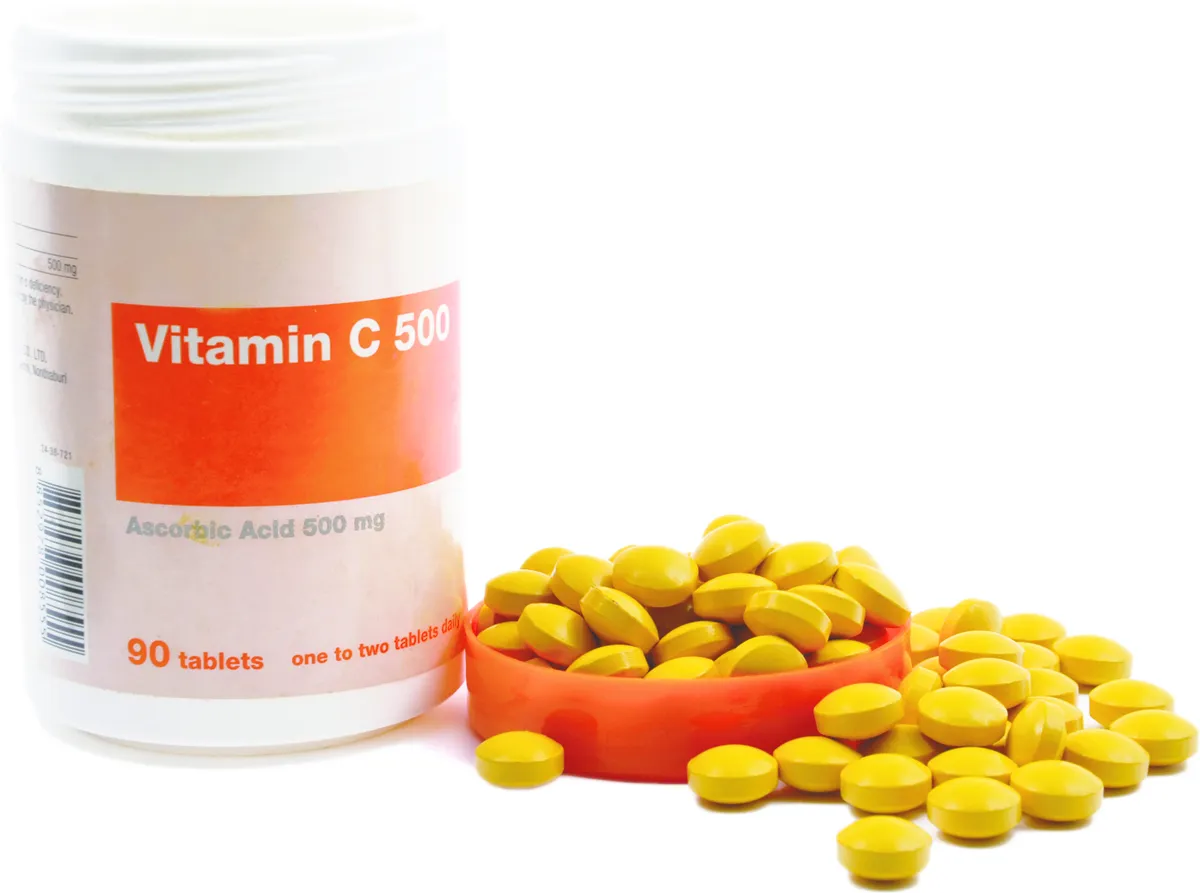

Many people believe that since vitamins are essential for health, consuming them in the form of supplements must be even more beneficial. However, this is not always the case. The Institute of Medicine has established upper limits for various vitamins and minerals, indicating that exceeding these limits may actually harm your health rather than enhancing it.
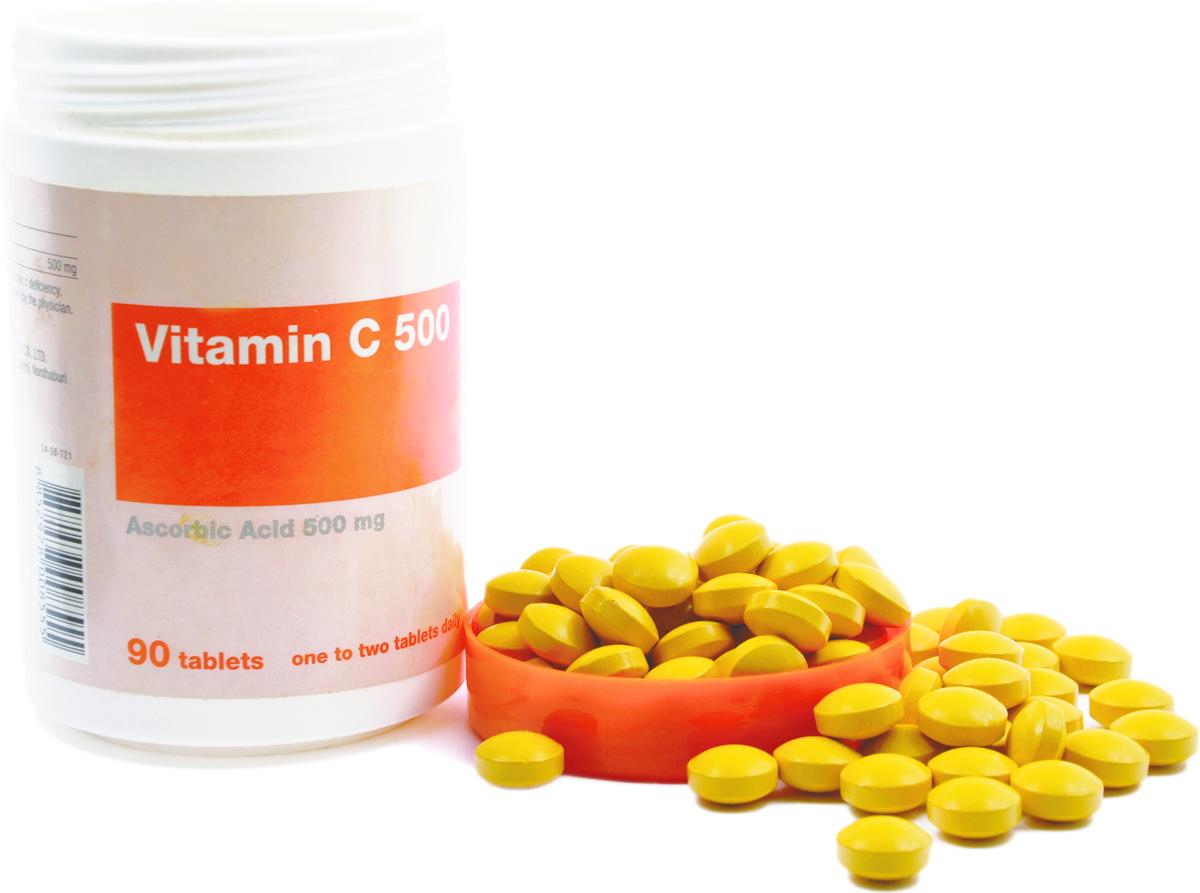
A recent study from Sweden has highlighted that excessive consumption of vitamin C supplements may be linked to an increased risk of kidney stones among men. The research showed that men who took additional vitamin C were nearly twice as likely to develop these painful stones, with the highest risk associated with those consuming the supplements more than once daily. While the specific doses used in this study were not detailed, a typical vitamin C supplement in Sweden contains around 1,000 milligrams per tablet.
While any study can introduce biases—where individuals choosing to take vitamin C may differ from those who do not—the implications of this research are concerning. Dr. Daniel E. Weiner, an assistant professor of medicine at Tufts University, stresses that the results indicate vitamin C supplementation is not without its risks, especially considering the observed dose-effect relationship, which showed that higher intakes of vitamin C correlated with increased kidney stone development.
EXTRA VITAMIN C, EXTRA RISK: The findings, published in JAMA Internal Medicine, were based on data from 23,355 participants in the Cohort of Swedish Men study, where the average age was 59. The researchers documented 436 new cases of kidney stones. Adjusting for various factors, including body mass index and dietary vitamin C intake, they found that men who took vitamin C supplements faced a 92% higher risk of developing kidney stones compared to those who didn’t use these supplements. Notably, those taking more than seven vitamin C supplements weekly faced a staggering 123% increased risk.
This relationship makes sense since excessive vitamin C, or ascorbic acid, can be converted by the body into oxalate. Calcium-oxalate stones are the most common form of kidney stones, and individuals at risk of these stones are often advised to limit their intake of foods high in oxalate. Nonetheless, the link between vitamin C and oxalate levels remains a topic of debate.
RISK VS. (NO) REWARD: The researchers emphasize that their results may only be applicable to men, who inherently have a higher risk of kidney stones than women. Furthermore, the study does not definitively prove that high vitamin C intake causes kidney stones.
In an editorial accompanying the study, Dr. Robert H. Fletcher from Harvard Medical School discussed the disappointing outcomes related to high-dose vitamin C supplementation. Evidence has generally shown little benefit of high doses of vitamin C in addressing issues like the common cold, cardiovascular disease, and cancer. Dr. Fletcher poses a crucial question: Is the additional risk of kidney stones worth it if high-dose ascorbic acid proves ineffective?
Dr. Weiner from Tufts further emphasizes that considering prior studies among male health professionals in the United States showing similar results, alongside a clear biological mechanism by which vitamin C might contribute to kidney stones, it is reasonable to conclude that high-dose vitamin C may not be a harmless treatment.