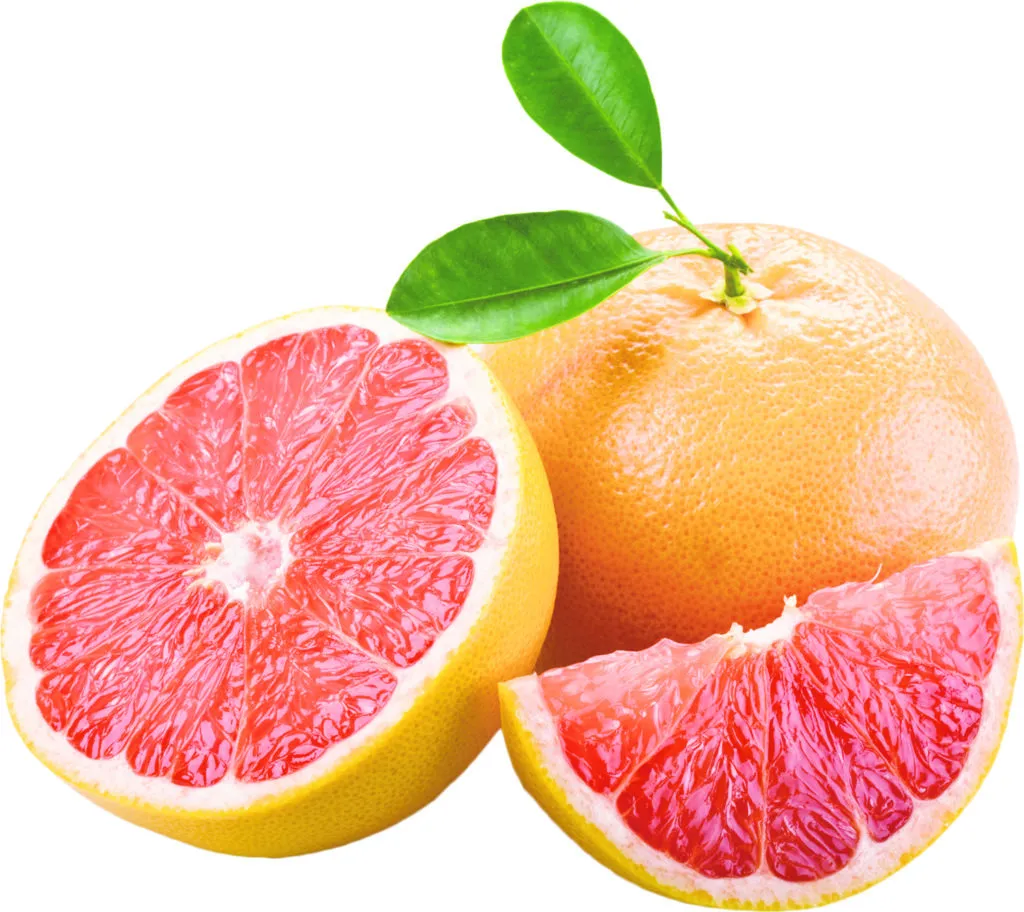

Grapefruit is not only a delicious fruit but also packed with nutrition. A half of this juicy fruit provides 64% of your daily vitamin C needs and 28% of vitamin A, all while containing a mere 52 calories. One of its key components, naringin, contributes to grapefruit’s bitter taste and aids in fat breakdown, making it popular among those aiming to lose weight. Its scientific name, Citrus paradisi, hints at the long-held belief that consuming grapefruit is akin to enjoying a taste of paradise.
However, grapefruit also serves as a cautionary tale regarding food and medication interactions. A recent review in the Canadian Medical Association Journal increased the number of known drugs that interact negatively with grapefruit from 17 to 43. In total, 85 medications can be influenced by grapefruit, although not all interactions are severe. Notably, potential life-threatening interactions have been identified with common medications, including statins, blood pressure medications, and anti-clotting agents, which are frequently prescribed for heart-related issues.
While grapefruit garners the most attention, it is not the only food that can affect medications, warns Dr. Irwin H. Rosenberg, editor of the Tufts Health & Nutrition Letter. This is a multifaceted issue that warrants a thorough discussion with your healthcare provider. Food-drug interactions are concerned for everyone, especially for individuals over 70, as their bodies may struggle to process higher concentrations of pharmaceuticals.
SUPERCHARGED STATINS: Initially, naringin was thought to be the major contributor to grapefruit’s drug interactions. However, recent studies have shifted the focus to a class of compounds called furanocoumarins found in grapefruit. These compounds are also present in limes, pomelos (a hybrid of grapefruit and tangerines), and Seville oranges, but they are absent in sweet oranges like Valencia or navel. Despite this, other fruits are rarely associated with reported food-drug interactions.
The furanocoumarins inhibit an enzyme known as CYP3A4, located in the liver and gastrointestinal tract. This enzyme usually breaks down many medications, including statins. When inhibited by furanocoumarins, higher levels of these medications can enter the bloodstream, sometimes alarmingly so.
Tests indicate that consuming grapefruit alongside cholesterol-lowering drugs, such as atorvastatin (Lipitor), simvastatin (Zocor), or lovastatin (Mevacor, Altoprev), can elevate their concentration in the bloodstream by up to seven-fold. While this might seem like a powerful way to combat cholesterol, it also comes with dangerous side effects, such as gastrointestinal bleeding and rhabdomyolysis. The latter occurs when muscle fibers break down too rapidly, releasing myoglobin into the bloodstream, which can overwhelm and damage the kidneys.
HEART DRUGS AND MORE: Interactions with grapefruit can also lead to heart block—a condition where the electrical signals managing heartbeat are disrupted—and a serious arrhythmia known as torsades de pointes. This rapid, chaotic heartbeat can prevent efficient blood circulation. Specifically, the anti-arrhythmia medications dronedarone (Multaq), amiodarone (Cordarone), and quinidine may interact adversely with grapefruit.
Moreover, several cardiovascular medications could potentially react with grapefruit, including eplerenone (Inspra), which may cause arrhythmias and elevated blood calcium levels, ticagrelor (Brilinta) linked to gastrointestinal or kidney bleeding, and rivaroxaban (Xarelto), also associated with gastrointestinal bleeding. Calcium channel blockers such as felodipine (Plendil) and nifedipine (Procardia) may experience variations in efficacy due to combined grapefruit intake, resulting in reduced blood pressure and peripheral edema.
Grapefruit can amplify the effects of anti-anxiety medication buspirone (Buspar), the antidepressant sertraline (Zoloft), and various immunosuppressants like cyclosporine. In some cases, grapefruit may even reduce a medication’s effectiveness. For instance, the common antihistamine fexofenadine (Allegra) and the anti-clotting drug clopidogrel (Plavix) can have diminished effects when consumed with grapefruit.
HOW TO MANAGE: Be cautious; avoiding interactions cannot be guaranteed by simply limiting your grapefruit consumption or timing your medication. Research indicates even a single grapefruit or a small glass of juice under eight ounces could trigger a reaction. Surprising as it may seem, even delaying medication intake for 24 hours post-grapefruit juice consumption can result in blood levels of certain drugs being 25% higher than normal.
On a more positive note, the University of Florida’s Citrus Research and Education Center is currently developing a hybrid fruit that exhibits much lower potential for drug interactions.
If you’re passionate about enjoying grapefruit at breakfast, consult your physician for safe alternatives. Among statin medications, for example, rosuvastatin (Crestor), fluvastatin (Lescol), and pravastatin (Pravachol) appear not to interact with grapefruit products.
OTHER FOODS: While grapefruit is the most recognized food for its interactions with medications, several other foods can also impact drug effectiveness. Here are some examples:
- Foods Rich in Vitamin K – Patients on warfarin (Coumadin) should be mindful of foods high in vitamin K, like broccoli and spinach, which can diminish the medication’s effectiveness. Maintain a balanced diet with a steady intake of leafy greens, and consult your doctor before making dietary adjustments.
- Caffeine-containing Foods – Moderate consumption of chocolate or coffee is generally acceptable while on medication, but be wary as caffeine can increase side effects for certain drugs, especially bronchodilators for asthma and the antipsychotic clozapine. The FDA recommends discussing caffeine use when prescribed ciprofloxacin, as it may lead to accumulation in the body.
- High Potassium Foods – Excessive intake of potassium-rich foods, such as bananas and salt substitutes, may elevate potassium to dangerous levels when combined with ACE inhibitors (e.g., captopril, lisinopril), posing health risks.
- Black Licorice – Glycyrrhizin in black licorice can lead to irregular heart rhythms when taken with digoxin (Lanoxin) and may also inhibit the effects of certain blood pressure and diuretic medications.
- Cranberry Juice – This should be avoided while on anticoagulants like warfarin, as cranberries may alter the drug’s effectiveness.
- Garlic and Ginger – These spices, along with various herbal supplements, can increase bleeding risks for people on anticoagulants such as warfarin.
- Walnuts – Regular walnut consumption may necessitate dosage adjustments for those taking thyroid medication like levothyroxine.
- Foods High in Tyramine – This naturally occurring compound found in aged and fermented products can interfere with several types of medications. Be cautious with aged cheeses, cured meats, and certain fermented goods while on specific medications.
For further information on how various foods interact with medication, visit www.fda.gov/Drugs/ResourcesForYou/Consumers/ucm297002.htm and look for the downloadable booklet on avoiding food-drug interactions.