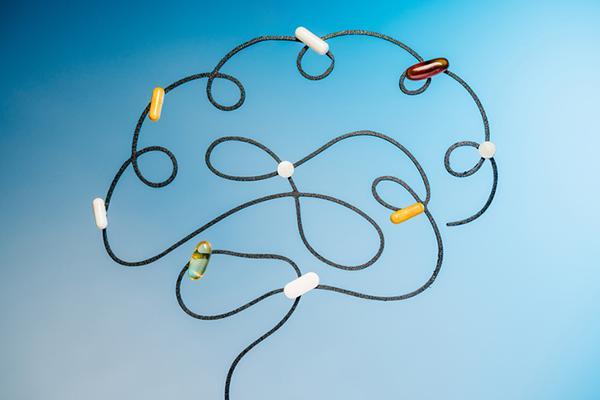
According to a nationally representative survey, approximately one in four adults aged 50 and older takes at least one supplement aimed at enhancing brain health, promising improved memory and sharper focus.
However, the troubling reality is that there is no substantial evidence to support the efficacy of these supplements.
“There’s no evidence to suggest any ingredient in these supplements can enhance brain health,” states Dr. Pieter Cohen, an internist at the Harvard-affiliated Cambridge Health Alliance, who has extensively researched dietary supplements. “Nothing legally included in these products has been proven to enhance cognitive function or prevent memory loss.”
A significant challenge with over-the-counter supplements is their lack of strict regulation. The FDA does not oversee the testing of products or verify the accuracy of their ingredient lists; it only monitors supplements that make health claims specifically linked to treating particular diseases.
In relation to brain health, this means that a supplement manufacturer can claim their product improves mental alertness or addresses memory loss, yet cannot assert it helps prevent or improve Alzheimer’s disease or other types of dementia. There are no requirements for manufacturers to validate the effectiveness of their brain health products.
Moreover, this oversight may be further relaxed: the FDA announced in December 2025 that it is contemplating a rule change that would lessen the frequency of disclaimers on supplement labels. Dr. Cohen describes this as “a significant step in the wrong direction.”
“Consumers already confront a plethora of misinformation when purchasing supplements,” he adds.
A Combination of Nutrients
Many brain health supplements incorporate omega-3 fatty acids (such as those found in fish oil), vitamin E, various B vitamins, and assorted nutrient combinations. But why these?
There is substantial evidence that certain dietary patterns—like the Mediterranean diet, the DASH diet, and the MIND diet) can aid cognitive function. These diets are rich in foods containing those essential nutrients. However, it’s still unclear whether the benefits stem from the nutrient combinations, individual nutrients, or other contributing factors entirely. Researchers have attempted to decipher these questions by examining how individual nutrients impact cognitive health. So far, limited studies have yielded no solid evidence of their effectiveness, aside from a few rare exceptions.
Nevertheless, this does not imply that brain supplements don’t work. It simply means that there is scant evidence from randomized clinical trials—the gold standard in research—regarding whether isolated vitamins or other nutrients can enhance brain health.
Here’s a concise overview of the findings from scientific research and their implications.
Omega-3 Fatty Acids
Omega-3 fatty acids contribute to the construction of cell membranes in the brain, and they may offer anti-inflammatory and antioxidant effects that protect brain cells. There are three types of omega-3s: Eicosapentaenoic acid (EPA) and docosahexaenoic acid (DHA) are primarily found in fatty fish such as salmon and mackerel, whereas alpha-linolenic acid (ALA) is present in leafy greens (like brussels sprouts and spinach), vegetable oils (canola and soybean), as well as nuts and seeds (walnuts and flaxseeds).
The body converts ALA into EPA or DHA, albeit in limited amounts. Therefore, the most effective way to obtain high levels of EPA and DHA is through increased fish consumption. Fish is a staple in the Mediterranean and MIND diets, and studies have indicated an association between a greater fish intake and a reduced risk of cognitive decline. However, omega-3 supplements derived from fish oil have not demonstrated the same positive effects. Evidence suggests any benefit comes from consuming more fish rather than from taking fish oil supplements.
“I’m not aware of any new evidence about omega-3 supplements supporting brain enhancement,” Dr. Cohen remarks. “I do not prescribe or recommend them to my patients.”
Insights into Ginkgo Biloba
The fan-shaped leaves of the ginkgo tree have been utilized in traditional Chinese medicine for various ailments. In the United States, extracts from these leaves are marketed as a supplement known as ginkgo biloba, with memory enhancement being one of its primary selling points. However, similar to other brain health supplements, scientific evidence does not substantiate these claims.
One of the largest clinical studies examining this potential link was the Gingko Evaluation of Memory (GEM) study, which recruited over 3,000 older adults (average age 79, with 54% men). Participants received either 120 milligrams of ginkgo or a placebo twice daily for nearly six years. The results indicated that ginkgo biloba did not affect the overall rate of dementia development.
Considering Brain Health Supplements
The lingering question is: why do people continue to purchase brain health supplements despite the lack of evidence? A significant factor seems to be that taking a pill is far easier than committing to meaningful lifestyle changes.
Instead, individuals should focus on increasing physical activity and adopting a plant-based diet, which can support memory and brain health in the long run more effectively than any supplement.
“Because manufacturers can advertise without any supporting evidence, you simply cannot trust the claims made on the labels,” Dr. Cohen concludes. “If you remain interested in trying one, consult with your clinician, and together evaluate the evidence.”
A Daily Multivitamin May Help Maintain Brain Sharpness in Aging AdultsWhile so-called brain health supplements are often questionable, the Harvard-led COSMOS trial suggests that adults aged 60 and above may benefit from taking a daily multivitamin. The study indicates that such a regimen might equate to slowing cognitive aging by approximately two years. Specifically, participants taking a multivitamin over the course of two years exhibited improved scores in episodic memory—recalling events and experiences—compared to those who were given an inactive pill. |
Image: © Curly_photo/Getty Images