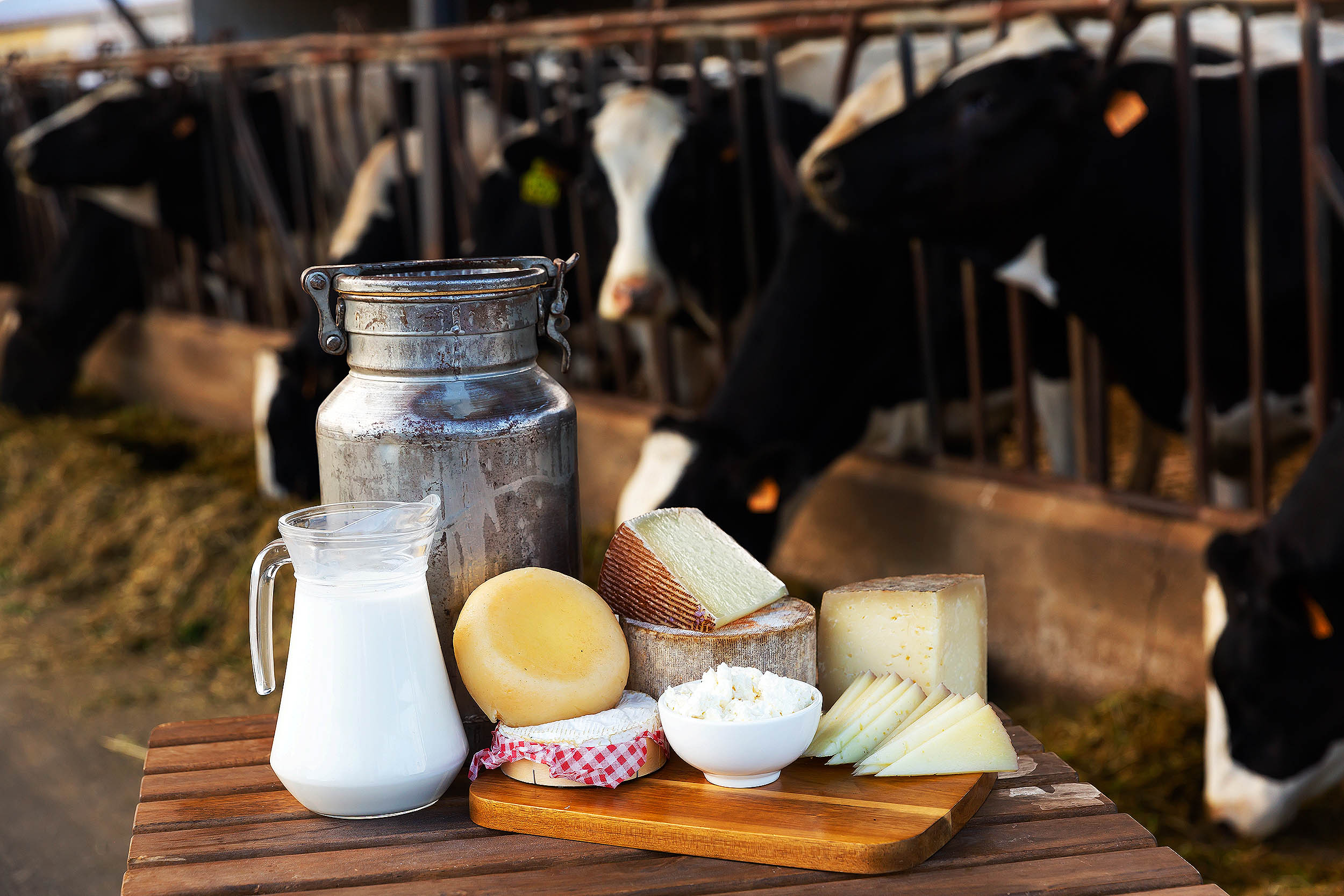
The gut is teeming with bacteria that play a vital role in digestion, immune function, and even our emotional well-being. The foods and beverages we consume significantly influence this microbial landscape. Dairy products are often debated in this context, as they offer valuable nutrients and sometimes live cultures, but research findings about their effects can vary. A thorough investigation that focused on samples taken directly from the colon lining has provided deeper insights into this relationship.

Traditionally, dietary studies have relied on stool samples. While these are informative, they do not always accurately represent the bacteria that adhere to the gut wall. This recent study focused on these wall-attached microbes, which are in direct contact with our gut tissues. The goal was straightforward: to assess how daily dairy consumption influences this specific community of bacteria.
Understanding the Microbiome
Imagine your gut microbiome as a bustling community, home to a diverse array of trillions of microbes—primarily bacteria, alongside some fungi and viruses. These microorganisms predominantly reside in your large intestine and are essential for breaking down indigestible food components, particularly fiber. They produce short-chain fatty acids, like butyrate, which nourish colon cells and help manage inflammation.
Moreover, these microbes play a crucial role in training your immune system, synthesizing specific vitamins, and communicating with your nervous system through chemical signals—hence the idea of a “gut feeling.” Each person’s microbiome is unique, shaped by various factors such as birth, diet, environment, sleep, stress levels, and antibiotic use.
Diversity is generally viewed as a positive trait; a greater variety of microbial species typically signifies a more stable and resilient community. Although there is no universal “ideal” microbiome, you can generally steer yours towards a healthier configuration by maintaining a balanced diet, exercising regularly, getting sufficient sleep, and using antibiotics judiciously when medically necessary.
Learning How Dairy Shapes Gut Bacteria
This study included adults undergoing routine colonoscopies at a veterans’ hospital in Houston. The participants exhibited normal colon health and none had significant medical issues that could skew the findings. During the procedure, doctors collected tiny biopsies from the colon lining for laboratory examination.
In total, the research team analyzed 97 biopsies from 34 individuals. Each participant completed a food questionnaire detailing their consumption of milk, cheese, yogurt, and overall dairy intake over the past year.
In the laboratory, researchers employed 16S rRNA sequencing to identify the present bacterial species and their respective quantities. Two key metrics were used: “alpha diversity,” which measures the variety of bacteria within a single sample, and “beta diversity,” which compares the differences between the microbial communities of different individuals.
The analysis controlled for variables such as age, body size, smoking habits, alcohol consumption, health conditions, overall diet quality, and the specific part of the colon sampled. This thorough approach aims to distinguish genuine associations from those influenced by other factors.
What the Scientists Learned
The findings revealed that individuals who consumed more milk, as well as those who had higher overall dairy intake, tended to exhibit greater alpha diversity in the bacteria attached to their colon lining. Additionally, beta diversity varied between high and low consumers of dairy, milk, cheese, and yogurt, indicating that their intake patterns were linked to significant shifts in community structure.
Two notable bacterial species emerged from the analysis. Faecalibacterium is often deemed beneficial as it produces butyrate, a fatty acid that supports colon cells and reduces inflammation. Higher consumption of total dairy and milk correlated with increased levels of Faecalibacterium in the colon lining.
Akkermansia, which is associated with a strong gut barrier and improved metabolic markers, also appeared in greater concentrations with increased milk consumption.
Dairy Products and Bacteria
When researchers controlled for dietary lactose, the connections between milk and microbes weakened, suggesting that lactose might act as a prebiotic—fuel for specific bacteria that can aid microbial growth. This observation aligns with general nutritional knowledge: milk is rich in lactose, while many hard cheeses contain minimal amounts.
In contrast, higher cheese intake correlated with reduced levels of certain bacteria, including Bacteroides and Subdoligranulum, under adjusted models. The classification of Bacteroides is not strictly positive or negative; the impact depends on the specific species and context.
Subdoligranulum can produce butyrate, usually beneficial, so its lower levels with increased cheese consumption raise questions about the components in cheese that may alter this balance. The transformation of milk into cheese alters nutrients in a way that could be significant.
The average yogurt consumption among participants was low—just a few sips daily—preventing definitive conclusions from being drawn. The research team did not observe clear links between yogurt and bacterial diversity, with traditional yogurt cultures like Lactobacillus and Bifidobacterium appearing in very low concentrations within the colon lining samples.
Colon Lining Yields Clues
Most available data stem from stool samples, which represent what exits the body. However, the mucosa, or the gut’s surface, can differ significantly. Studying the wall-attached microbial community offers insight into the microbes that interact directly with the gut barrier and immune cells, providing a more accurate reflection of the mucosal surface compared to stool analysis alone.
Gut Bacteria, Dairy, and Health
If you tolerate dairy and consume milk, your gut’s surface community may be more diverse. When cheese serves as your primary dairy source, the effects likely vary based on the type of cheese, your overall diet—particularly fiber intake—and your individual microbiome. For those who are lactose intolerant, prebiotic fibers found in foods like beans, oats, bananas, onions, and asparagus can nourish beneficial bacteria through alternative means.
Dairy products seem to influence the gut’s wall-attached community in distinct manners. More extensive and longer-term studies involving diverse populations will clarify which dairy components exert specific effects, and on whom they work best. In the meantime, the foods and beverages you choose have clear, measurable impacts on your gut health.
The complete study was published in the journal Nutrients.
—–
Like what you read? Subscribe to our newsletter for engaging articles, exclusive content, and the latest updates.
Check us out on EarthSnap, a free app brought to you by Eric Ralls and Earth.com.
—–