The no- and low-alcohol beverage market is surging, marking its place as a staple category within the global beverage industry. This trend reflects a significant shift in consumer preferences as more individuals opt for alcohol-free options. According to “The 2026 No/Low Alcohol Beverage Report” by Good Culture Ingredients, the market is anticipated to expand by 37% by 2027, significantly increasing its share of global beverage volumes.
The Growth of No- and Low-Alcohol Beverages
By 2027, no- and low-alcohol drinks are expected to constitute 4% of total beverage volumes worldwide, doubling their market presence over the last decade. This growth is largely attributed to over 60 million new consumers who have begun exploring alcohol-free alternatives between 2022 and 2024.
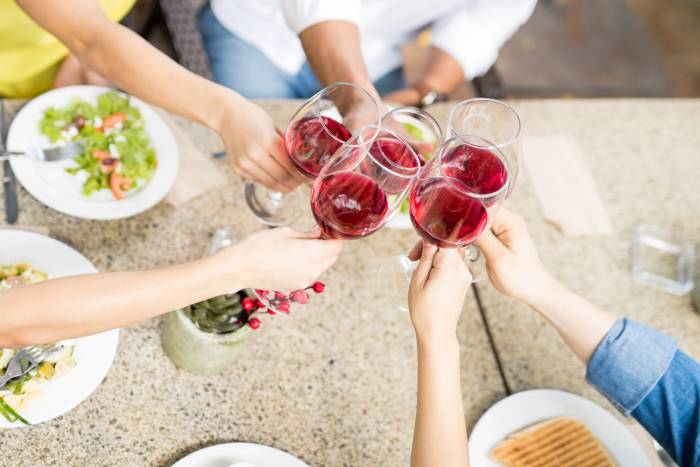
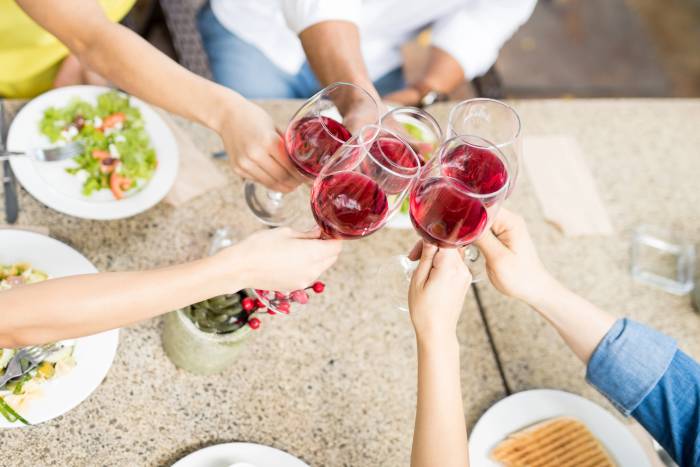
According to the report, a cultural transition toward moderation is evident. In the United States, approximately one in three adults are now opting for non-alcoholic beverages during various occasions, particularly among those aged 35 to 44. Additionally, over half of Gen Z and Millennial consumers indicate a desire to lower their alcohol consumption. In the United Kingdom, a notable 76% of adults report some form of moderation in their drinking habits. This trend signifies a shift from complete abstinence to controlled intake, often achieved by alternating between alcoholic and non-alcoholic beverages during social gatherings, a practice known as “zebra striping.”
Categories of No- and Low-Alcohol Beverages
The report outlines three core classifications within this segment: Alcohol-Free (0.0% ABV), Non-Alc/Dealcoholized (up to 0.5% ABV), and Low Alcohol (up to around 1.2% ABV, depending on local regulations). These categories influence marketing strategies and consumer behavior, with the primary product types consisting of beer and cider, wine and sparkling wine, non-alcoholic spirits, and ready-to-drink cocktails (RTDs). Each product category caters to specific consumption contexts, such as beer for casual pub visits or RTDs for festive gatherings.
Technical and Market Challenges
Producers encounter several technical hurdles while attempting to create no- and low-alcohol beverages that carry a similar complexity to traditional alcoholic drinks. Alcohol contributes essential qualities such as structure, body, viscosity, and aromatic intensity, while also enhancing the extraction of botanical flavors. The absence of alcohol can lead to beverages that lack depth, leaving them tasting either flat or excessively sweet. The report emphasizes that simply removing alcohol is insufficient; producers must discover ways to mimic its structural attributes to prevent their products from being perceived as mere adult soft drinks.
Regional Variations in Growth
Growth patterns for no- and low-alcohol beverages vary by region. In the United Kingdom and Europe, bars and restaurants serve as valuable launchpads for these products, fostering regular consumption habits. Conversely, in the United States and Canada, retail channels are pivotal, particularly for zero-proof spirits and RTDs. While Australia and New Zealand comprise smaller markets, they emphasize high quality and a robust craft beverage scene. Asia Pacific and Latin America predominantly focus on beer, yet are viewed as experimental grounds for innovative formats.
Challenges and Opportunities
Despite encouraging growth projections, challenges persist within this sector. No- and low-alcohol beers often face issues related to perceived quality inconsistencies, while non-alcoholic wines frequently fall short in terms of structure and texture compared to their alcoholic counterparts. Additionally, zero-proof spirits may risk being regarded as flavored juices rather than true cocktail bases, often referred to as the “mocktail trap.” Retailers are also seeking higher profit margins than those typically associated with conventional soft drinks, while bars prioritize quick-serving and profitable options.
Strategies for Success
Good Culture Ingredients advises several strategies to navigate this evolving market: developing products tailored to specific consumption occasions, employing fermentation techniques to enhance structure, aligning alcohol control with flavor development, and positioning offerings within premium segments. The report concludes that no- and low-alcohol beverages have transcended being mere alternatives; they now represent an independent category with distinct technical standards and market dynamics. With worldwide alcohol consumption stabilizing, this segment is recognized as one of the few areas poised for sustained growth within the beverage industry.
Key Takeaways
- The no- and low-alcohol beverage market is projected to grow by 37% by 2027.
- One in three U.S. adults now chooses non-alcoholic options regularly.
- Products are categorized into Alcohol-Free, Non-Alc/Dealcoholized, and Low Alcohol.
- Producers face technical challenges in replicating the complexity of traditional drinks.
- Market growth patterns differ by region, with varying consumer habits.
- Challenges include perceptions of quality and profitability issues in retail and bar settings.
- Success strategies involve product development, fermentation, and premium positioning.
FAQ
What are the main categories of no- and low-alcohol beverages?
The primary categories are Alcohol-Free (0.0% ABV), Non-Alc/Dealcoholized (up to 0.5% ABV), and Low Alcohol (up to around 1.2% ABV).
Why is the market for no- and low-alcohol drinks growing?
The growth is driven by a cultural shift towards moderation in alcohol consumption, with more consumers seeking alcohol-free options.
What challenges do producers face in this market?
Producers struggle with replicating the complex flavors and structures of traditional alcoholic beverages, often leading to perceptions of inferior quality.
How are no- and low-alcohol beverages typically marketed?
These beverages are often marketed based on specific consumption occasions and placed in premium segments to attract discerning consumers.
What is “zebra striping”?
Zebra striping refers to the practice of alternating between alcoholic and non-alcoholic drinks during social events.