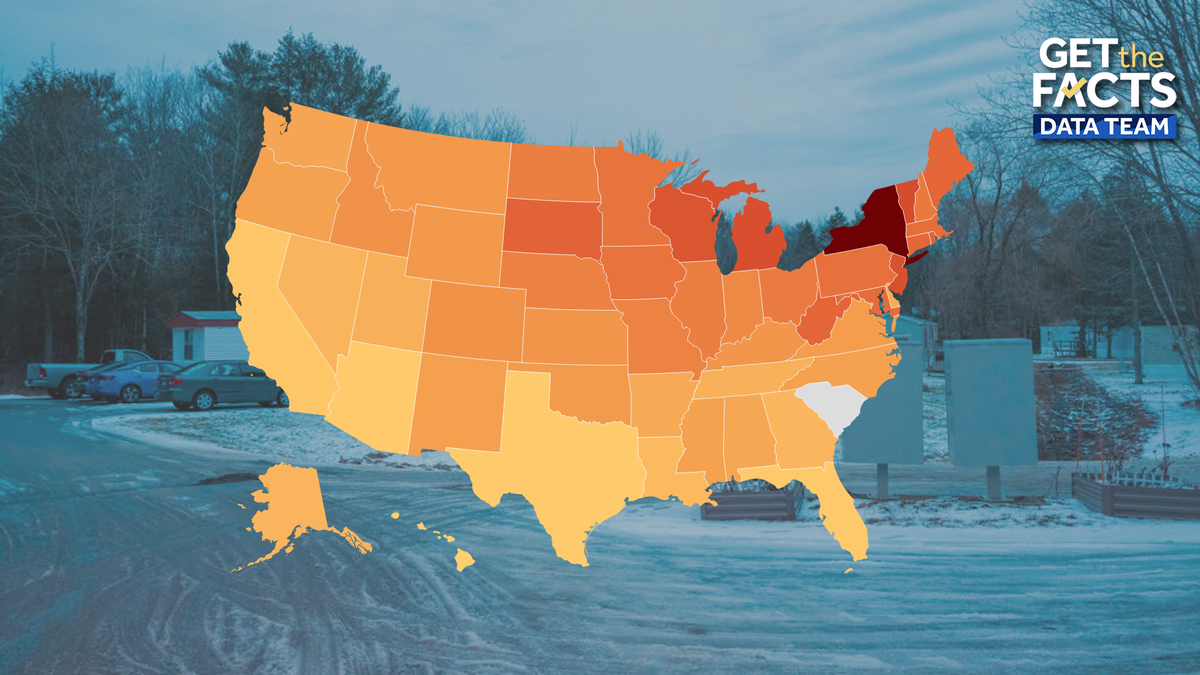
LIHEAP Heating Benefits and Winter Energy Costs
As winter approaches, nearly 5 million U.S. households are expected to face rising home energy prices, leading to potential struggles with heating bills and utility payments. Here are some key points regarding the situation:
-
Heating Costs Increase: U.S. households are projected to pay an average of $1,030 to heat their homes this winter, marking an $82 increase from the previous year, according to the National Energy Assistance Directors Association (NEADA).
-
LIHEAP Benefits: The average heating assistance benefit for households was $467 in fiscal year 2025. If this average remains steady, families may need to find ways to cover over $500 in additional heating costs.
-
Call for Increased Funding: NEADA is advocating for an increase in LIHEAP funding from $4 billion to $7 billion to alleviate the burdens of rising energy costs on families.
-
Impact on Family Budgets: Higher heating and electricity bills could limit families’ ability to afford essentials like food, housing, and transportation. Mark Wolfe, NEADA’s executive director, emphasizes that many families may enter winter with no financial buffer.
-
Crude Oil and Heating Oil Prices: The conflict in the Middle East has led to crude oil prices staying above $100 a barrel, causing heating oil costs to potentially rise by 50% for households primarily using this energy source.
-
State-Specific Data:
- About 14% of households in New York received LIHEAP benefits, the highest percentage among states.
- States like Vermont and Michigan have approximately 8% enrolled in the program.
- Alaska reported the highest average heating benefit at $1,554, with New Hampshire following at $1,045, particularly for families relying on heating oil.
As colder months approach, these developments could leave families vulnerable and struggling to prepare for the winter expenses ahead.


