
Introduction: As the wellness trend continues to thrive, many individuals are increasingly relying on supplements, shakes, and pills to fill perceived nutritional gaps. This growing reliance on dietary supplements raises important questions about their safety and efficacy, particularly concerning certain vitamins.
In today’s world, where health consciousness is at an all-time high, the popularity of vitamins and supplements is soaring. Many people resort to pills and shakes, fearing they may be deficient in essential nutrients.
If a medical professional identifies that a patient is not obtaining sufficient minerals through their diet, they may prescribe iron tablets. In regions with limited sunlight, doctors often recommend vitamin D supplements to help tackle deficiencies.
Among the supplements frequently endorsed by social media influencers are magnesium tablets which are purported to improve sleep quality and reduce fatigue. Additionally, omega-3 fatty acids found in fish oil supplements are lauded for their benefits to heart, brain, joint, and eye health.
However, despite the acclaim surrounding many vitamin supplements, some experts caution against the unrestricted use of two particularly popular varieties, suggesting that they may do more harm than good.
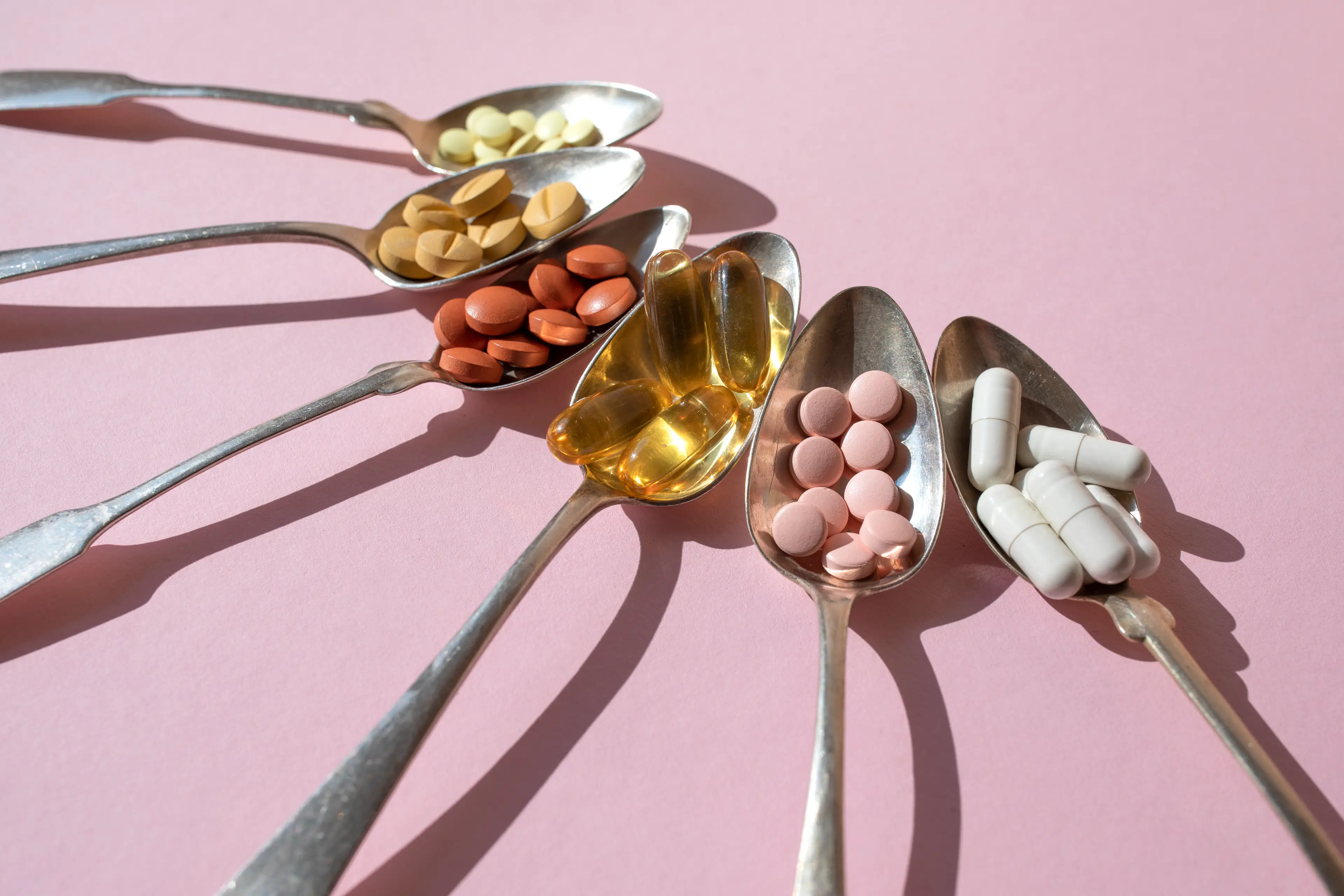
Supplements are all the rage at the moment, but could pose a risk to health (Getty Stock Images)
The two vitamins in question are vitamin A and vitamin E supplements.
What are their supposed benefits?
According to the National Institutes of Health’s Office of Dietary Supplements, vitamin A plays a crucial role in various health functions, including cellular communication, growth, development, and reproduction.
It’s often marketed for its ability to enhance vision, boost the immune system, and promote healthy skin. This essential vitamin is primarily obtained through a balanced diet rich in animal products, as well as colorful fruits and vegetables.
Vitamin E, on the other hand, is well-known for its antioxidant properties, which help protect cells from damage. It’s also believed to support immune function, improve blood vessel health, reduce inflammation, and slow cognitive decline.

Both A and E protect cells, boost immunity and promote healthy skin (Getty Stock Images)
Vitamin E can be sourced naturally from vegetable oils, nuts, seeds, wheat germ, leafy greens like spinach and broccoli, as well as fruits such as mangoes and kiwis.
What risks are associated?
Despite the claimed benefits of vitamin A and E supplements, several health experts advise caution regarding their use because both vitamins are fat-soluble.
Walter Willett, a professor of epidemiology and nutrition at Harvard’s School of Public Health, has previously mentioned to National Geographic: “Generally, I don’t suggest the use of vitamin supplements unless there is a specific reason to do so.”
His caution is grounded in the understanding that these vitamins can accumulate in the liver, potentially leading to issues with this vital organ and elevated fat levels surrounding it.

Overconsumption of either, or taking both together regularly, could cause liver problems (Getty Stock Images)
In some cases, liver damage is a possibility, alongside a potential heightened risk of lung cancer.
Jessika Rose, a bariatric dietitian at the University of Maryland Upper Chesapeake Health, emphasized that excessive intake of vitamin E could impact blood health, potentially leading to clotting issues or hemorrhaging.
She also noted that these supplements might interact adversely with other medications, including some used in cancer treatment.
Moreover, an overload of vitamin A could result in various negative effects such as joint pain, headaches, hair loss, muscle pain, vision impairment, nausea, birth defects, skin irritation, and a greater likelihood of bone fractures.
According to the NHS, the maximum recommended daily dosage of vitamin E is 4g for men and 3mg for women. For vitamin A, men should limit intake to 700mcg and women to 600mcg.
Conclusion: While the allure of dietary supplements is strong, particularly for vitamins A and E, it is crucial to approach their usage with caution. Consulting a healthcare professional for personalized advice can help mitigate potential health risks associated with excess intake.