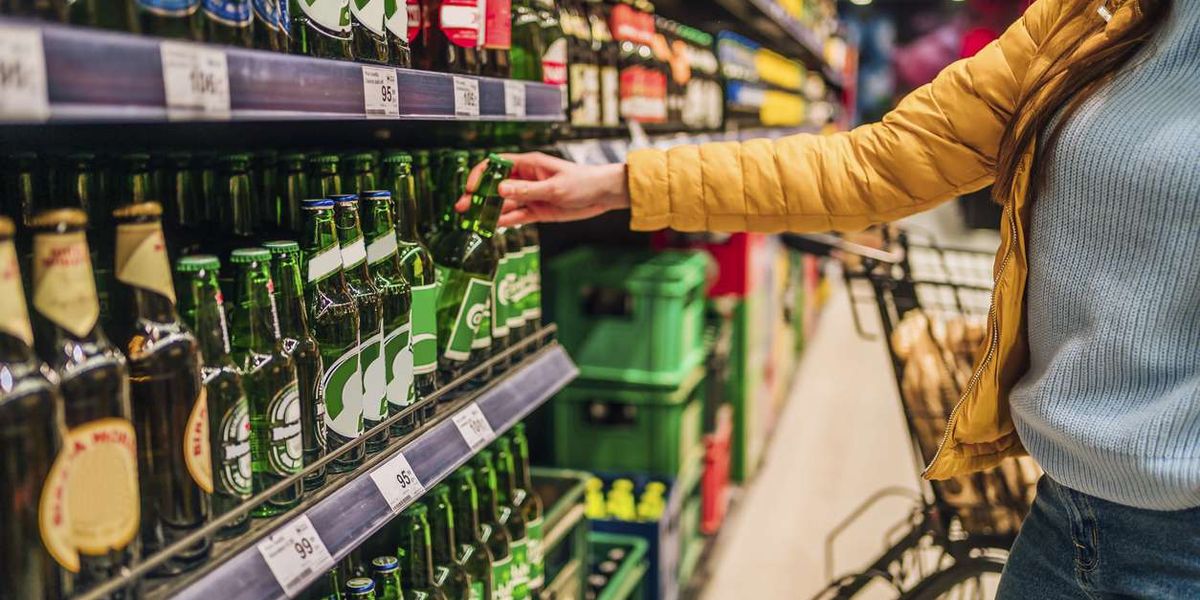
As the food and beverage industry navigates the complexities of geopolitical challenges, evolving consumer preferences, and rising living costs, major brewers are setting their sights on the promising opportunities of 2026. With the upcoming soccer World Cup and a strategic shift towards non-alcoholic beverages, these companies are hopeful for a more prosperous year ahead.
Heineken recently announced plans to cut up to 6,000 jobs over the next two years due to declining beer demand. Similarly, Carlsberg has issued warnings about another tough year for consumer spending and potential trade war consequences, while Budweiser-maker AB InBev reported its lowest profit growth since 2020. All three firms have experienced decreases in sales volume.
Despite these challenges, shares in the three largest European brewers, collectively worth $114 billion in annual sales, have seen an uptick as investors are optimistic that 2026 will be an improvement over 2025.
“We have a very good year in terms of opportunities to activate,” AB InBev CEO Michel Doukeris stated to investors, anticipating a boost from events such as the soccer World Cup slated for June and July in the U.S., Mexico, and Canada, along with a surge in non-beer and low-alcohol products.
He also noted that difficulties in major markets like China and Brazil, impacted by adverse weather conditions recently, are beginning to stabilize, leading to a brighter outlook for 2026 following a “very complicated” 2025.
Overall, the decline in beer sales in 2025 has compounded years of stagnant or decreasing growth, with Heineken’s beer volumes down 8.6 percent, AB InBev’s down 6.5 percent, and Carlsberg’s down more than 3 percent since 2022.
Year ahead looks better after ‘horrific’ 2025
Analysts remain hopeful that beer volumes may rebound this year, with expectations averaging 0.4 percent growth at AB InBev, 1.1 percent at Heineken, and 3 percent at Carlsberg.
“Generally, I think 2026 could be a much better year in terms of volume growth,” remarked Javier Gonzalez Lastra, an analyst at Berenberg, who described 2025 as “pretty horrific” for Heineken.
Carlsberg, on the other hand, has benefited from an aggressive diversification strategy, including its $4.2 billion acquisition of soft drink manufacturer Britvic last year, which has helped mitigate declining demand for its beer products.
CEO Jacob Aarup-Andersen also pointed to the upcoming boost for 2026 from sports events, the integration of a Pepsi operation in Kazakhstan, and improved conditions in markets such as India and Vietnam, emphasizing his anticipation for revenue and volume growth this year.
“We have plenty of reasons to be optimistic,” he told reporters.
Steve Minnaar, portfolio manager at AB InBev investor Abax Investments, expressed caution regarding industry trends, despite early indicators of recovery.
“We’re not overly optimistic about it,” he said. “I wouldn’t say (things are) more positive, but less negative.”
Key Takeaways
- Major brewers are optimistic about 2026 due to upcoming events and shifts in product focus.
- Heineken plans significant job cuts in response to declining beer demand.
- AB InBev sees hope in non-alcoholic beverages and a favorable market landscape.
- Investors are showing renewed confidence in the stock of major European brewers.
- Analysts forecast modest growth in beer volumes for 2026 after a challenging 2025.
- Carlsberg’s diversification into soft drinks is helping offset weaker beer sales.
FAQ
What challenges are major brewers currently facing?
Brewers are grappling with geopolitical uncertainties, changing consumer preferences towards health-conscious choices, and economic pressures from rising living costs.
How are companies like Heineken responding to decreased beer sales?
Heineken has announced plans to cut jobs to manage operations amid declining demand for beer.
What growth is expected in the beer market for 2026?
Analysts predict a potential resurgence in beer sales, with average expectations of growth for major brewers.
How are brewers like Carlsberg adapting to the market?
Carlsberg is expanding its portfolio to include non-beer beverages, such as through its acquisition of Britvic, to counteract weakening beer demand.
What events are anticipated to positively impact brewers in 2026?
The soccer World Cup and an overall shift to lower-alcohol options are expected to contribute positively to sales.