Understanding Your Health in Midlife: A Personalized Fitness Journey
As we navigate through midlife, many women experience shifts in their health that can leave them feeling uncertain, even after routine check-ups. The questions that often arise go beyond the standard reassurance that everything looks normal. This pursuit for understanding prompted me to seek a comprehensive health assessment that would provide clarity and actionable insights into my well-being.
With a family history of diabetes and colon cancer, I decided to invest in a thorough longevity assessment through Everlab, a decision that cost me approximately $2,700. This experience offered me an unprecedented look at my health, focusing on over 100 biomarkers across various medical categories. Rather than merely confirming the absence of disease, this assessment evaluated how my body functions now and how it might age over time.

© Everlab
The assessment was extensive, evaluating factors such as cardiovascular health, insulin sensitivity, hormone levels, and aerobic capacity through VO₂ max testing and DEXA scans for bone density and muscle mass. While the abundance of data was sometimes overwhelming, it ultimately proved to be empowering.
Walking in, I had specific concerns. Despite a balanced diet and consistent exercise, I struggled with fat loss, attributing it to potential insulin resistance commonly reported during perimenopause. However, my results revealed a different narrative.

© Everlab
A surprise awaited me; my blood sugar regulation was excellent, with low fasting insulin levels indicating no insulin resistance. Cardiovascular risk markers were largely within the optimal range, showcasing my diligent aerobic training through a strong VO₂ max. Furthermore, my bone density was robust across key areas, reflecting a healthy lifestyle.
Dr. Steven, who interpreted my results, praised my health profile for my age, emphasizing the connection between metabolic health, physical activity, and potential visceral fat gain during midlife hormonal shifts. He highlighted the importance of maintaining muscle mass, staying active, and prioritizing recovery and sleep.
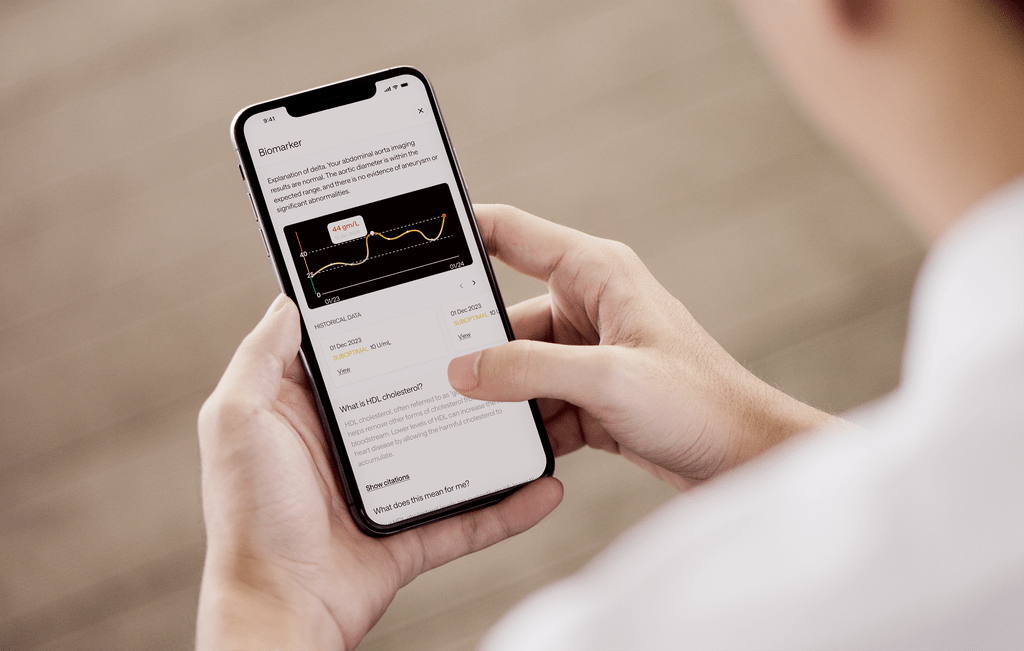
However, not everything was perfect. My blood pressure reading was elevated during the test, an important detail to monitor, especially given rising trends in blood pressure among perimenopausal women. The elevated number prompted a plan for monitoring over the coming months.
Cholesterol levels presented another intricate picture. Although some results indicated suboptimal levels, deeper analysis pointed to positive health markers, suggesting that lifestyle adjustments rather than medication could effectively manage risks.
Perhaps the most enlightening aspect of my assessment was the VO₂ max analysis. This measurement is a significant predictor of longevity and was surprisingly absent in many routine health checks.
Dr. Steven highlighted the importance of my aerobic fitness level, which surpassed average benchmarks for women in their 50s. Sustaining this level requires continuing my mix of aerobic training and incorporating higher-intensity workouts, while also allowing for recovery time to prevent burnout.

© Everlab
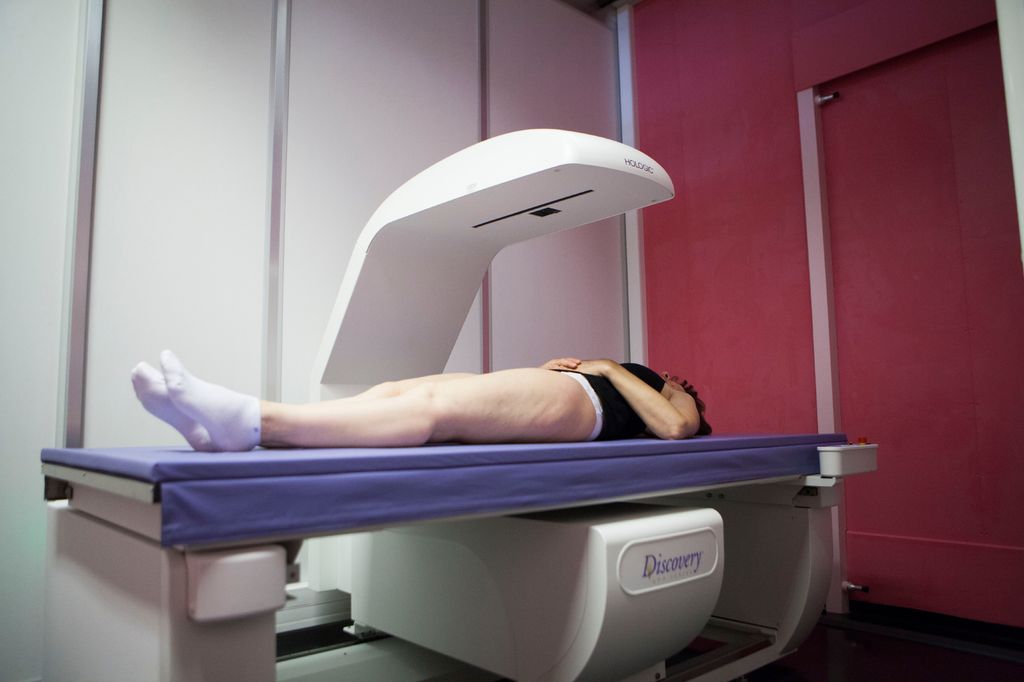
The DEXA scan revealed some critical information, including optimal bone density but lower muscle mass and some imbalances likely influenced by prior injuries. This aligns with a growing trend in post-menopausal women, where fat tends to redistribute towards the abdomen, even in those with a healthy BMI.
Dr. Steven emphasized the importance of refining my fitness strategy rather than a complete overhaul. This involves prioritizing progressive resistance training, addressing muscle imbalances, and adopting a well-rounded routine of aerobic and strength training to gradually enhance overall fitness while promoting recovery and optimal nutrition.
© Universal Images Group via Getty
Additionally, I uncovered smaller but critical findings, such as a magnesium deficiency despite supplementation, which illustrated how absorption issues can arise during midlife. It reinforced the importance of not just focusing on what I consume but also on how effectively my body absorbs it.
The assessment also highlighted the significance of preventive screenings, especially given my family history of colon cancer and diabetes. Staying proactive with regular health checks, including mammograms and skin evaluations, is essential for early detection and management.
One of the most valuable takeaways was the overall strategy of refinement rather than drastic changes. According to Dr. Steven, focusing on consistency in strength and aerobic training, evenly distributing protein intake, and supporting recovery are pivotal in maintaining muscle and bone health over time. Blood pressure monitoring is also crucial, especially with prior readings that warrant closer inspection.
So, was the cost justified? Absolutely. The assessment provided not just reassurance, but precision. Rather than broad guidelines, I now have a customized plan that empowers me to protect my health through the hormonal changes ahead.
Longevity testing is not about control or obsession but rather understanding our unique health landscape. This journey instilled a sense of confidence, not from vague platitudes of being ‘fine,’ but from a well-defined roadmap for my health moving forward.