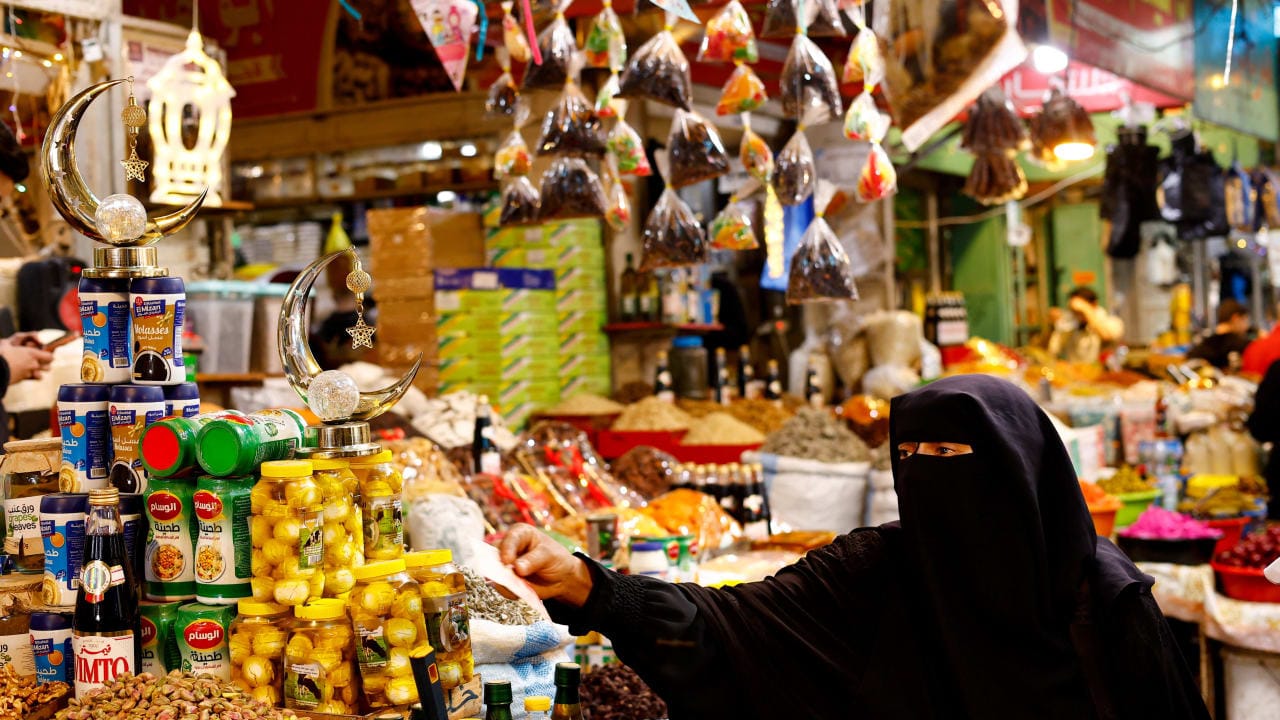
The recent approval for Israeli manufacturers to export sweets, soft drinks, and energy drinks to the Gaza Strip has led to a significant depletion of inventories in Israel. This development coincides with the approaching holy month of Ramadan.
A prominent candy manufacturer in Israel, identified only as “A,” remarked to Walla that the surge in demand for his products from the Gaza market is unprecedented.
“Two and a half months ago, I began receiving inquiries from various importers who wanted to send goods to Gaza. Initially, the quantities were manageable, but demand has since escalated,” A noted in his conversation with Walla.
Since the ceasefire in Gaza was established four months ago, Israel has been facilitating the entry of approximately 700 humanitarian aid trucks daily, transporting food, shelter materials, and medical supplies.
According to COGAT, the daily volume of trucks entering Gaza has consistently ranged between 600 and 800 since the ceasefire, as indicated in a December report by The Jerusalem Post.

Industry insiders report that Israeli suppliers are handling large orders, even for items nearing their expiration dates. There is often no need for price negotiations as Gazan merchants are willing to pay significantly more than the typical market rate in Israel.
Products are transported into the Gaza Strip via private channels and resold in local markets, generating substantial profits for various parties engaged in the supply chain. Upon entering the Gaza Strip, the goods are handed over to certified local resellers.
Though state-supervised, the entire process is conducted by private entities on both sides of the border. In December 2025, the Israeli government mandated that all purchases classified as aid must be processed through a select group of Israeli companies designated as “approved suppliers.”
These approved suppliers impose fees of roughly NIS 10,000 per truck for inspection, along with a brokerage fee of 5% of the goods’ value, averaging around NIS 5,000. This additional NIS 15,000 per truck is absorbed into the pricing of goods being sent to Gaza.
“One supplier informed me that he hasn’t had any red Coke in stock for over a week because it’s all been sold out,” A disclosed.
“He approached the beverage company, urging them to replenish his inventory. Some ‘approved suppliers’ from COGAT, who are solely responsible for transportation, contacted me asking for 100 pallets overnight. I explained that I simply don’t have any available,” A explained.

Suppliers concerned over whom they are selling to
Despite some reservations about selling high-demand products like candy to potential terrorists in Gaza, A stated that ultimately, the goods will find their way into the market regardless.
“What surprises me,” he remarked, “is that the process of getting a truck into Gaza used to require a month of preparations, with drivers often sleeping next to the border crossing to ensure timely passage after thorough inspections. Nowadays, it appears as though countless trucks are entering Gaza with little difficulty.”
“A meat supplier mentioned to me that he had three trucks ready to fill with Ramadan goods, and it was worthwhile for him because in Israel, he would sell at market price, while in Gaza, he could obtain prices thirty or forty percent above that,” A added.
Jerusalem Post Staff contributed to this report.
Key Takeaways
- Israeli manufacturers are experiencing a surge in demand for products in Gaza.
- About 700 humanitarian aid trucks are entering Gaza daily since the ceasefire.
- Israeli suppliers are benefiting from higher prices for goods in the Gaza market.
- Transport processes have become more efficient compared to previous restrictions.
- Suppliers are cautious about the end recipients of their products.
FAQ
Why is there an increase in demand for Israeli products in Gaza?
The demand has surged due to improved access for Israeli manufacturers to the Gaza market, particularly ahead of Ramadan.
How many trucks are currently allowed to enter Gaza?
Approximately 600 to 800 humanitarian aid trucks are permitted daily.
What types of goods are being sent to Gaza?
The goods include sweets, soft drinks, energy drinks, and other humanitarian products.
Who oversees the transportation of goods into Gaza?
The process is supervised by the Israeli government but is executed by private companies.
How does the pricing of goods in Gaza compare to Israel?
Goods in Gaza are often sold at prices significantly higher than market rates in Israel.