Why Some Foods Are Not Allowed
To foster a healthier environment for children, certain food and beverage restrictions are implemented within educational institutions. These measures aim to minimize children’s exposure to unhealthy dietary components.
-
Excess calories, fat, salt, and sugar
-
Artificial additives and chemical flavourings
-
Common high-risk allergens
-
Ultra-processed products with limited nutritional value
By limiting these items, schools strive to promote healthier eating habits, support development, and create a safer food environment.
The ‘Red List’: Prohibited Foods and Drinks
Educational institutions must ensure that the following items are not served in canteens, brought from home, or provided during school celebrations.
1. High-Sugar and Caffeinated Drinks
Sugar-sweetened beverages are a significant contributor to childhood health issues.
-
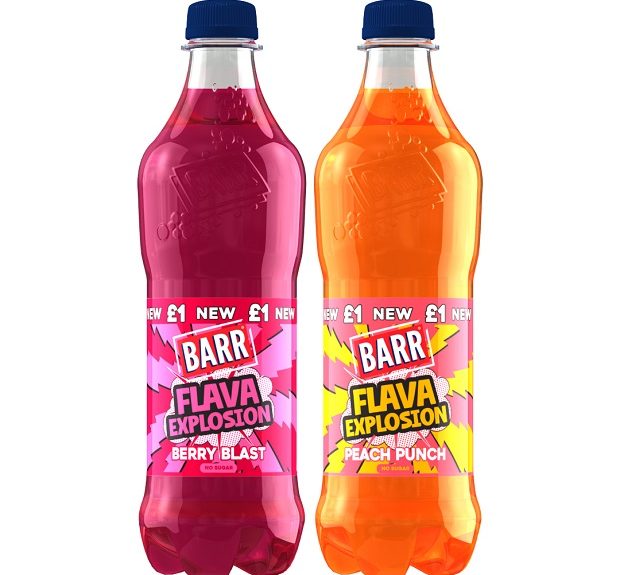
Prohibited: Soft drinks, energy drinks, sports drinks (excluding isotonic versions), and fruit juices made from syrups.
-
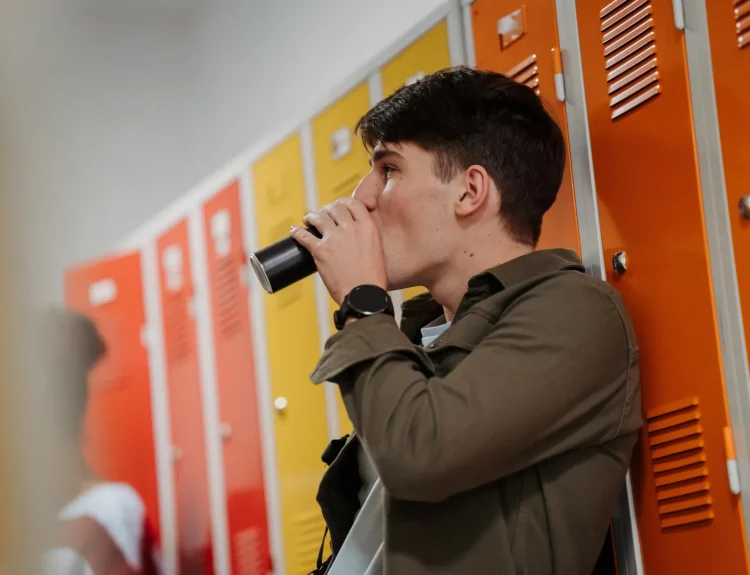
Caffeine Alert: Both hot and iced coffees and teas are restricted for students.
2. Sweets and Processed Desserts
-
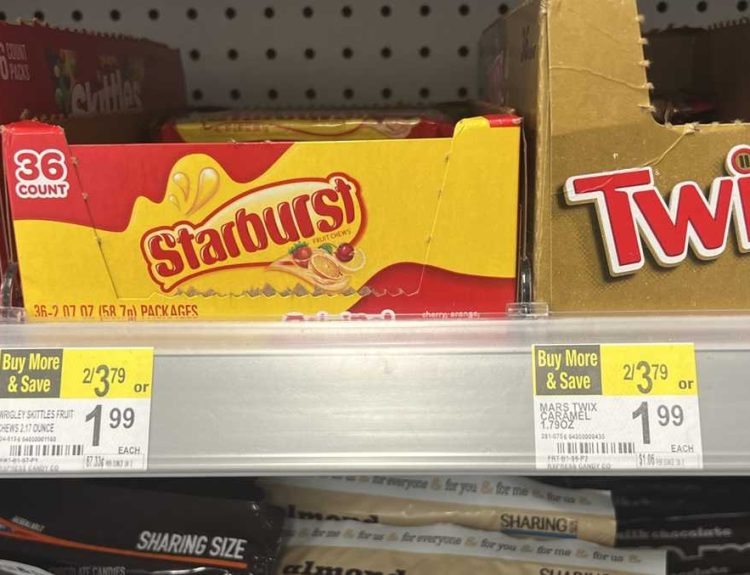
Confectionery: Candies, marshmallows, caramel, cotton candy, lollipops, and chewing gum.
-
Frozen Treats: Ice cream, slushies, and processed frozen desserts.
-
Dairy: Flavoured or sweetened milk and yoghurts are not permitted.
Note: Dark chocolate (at least 50% cocoa) is the only chocolate exception.
3. High-Sodium and Fried Foods
Excessive salt (sodium) is prevalent in many popular school snacks.
-
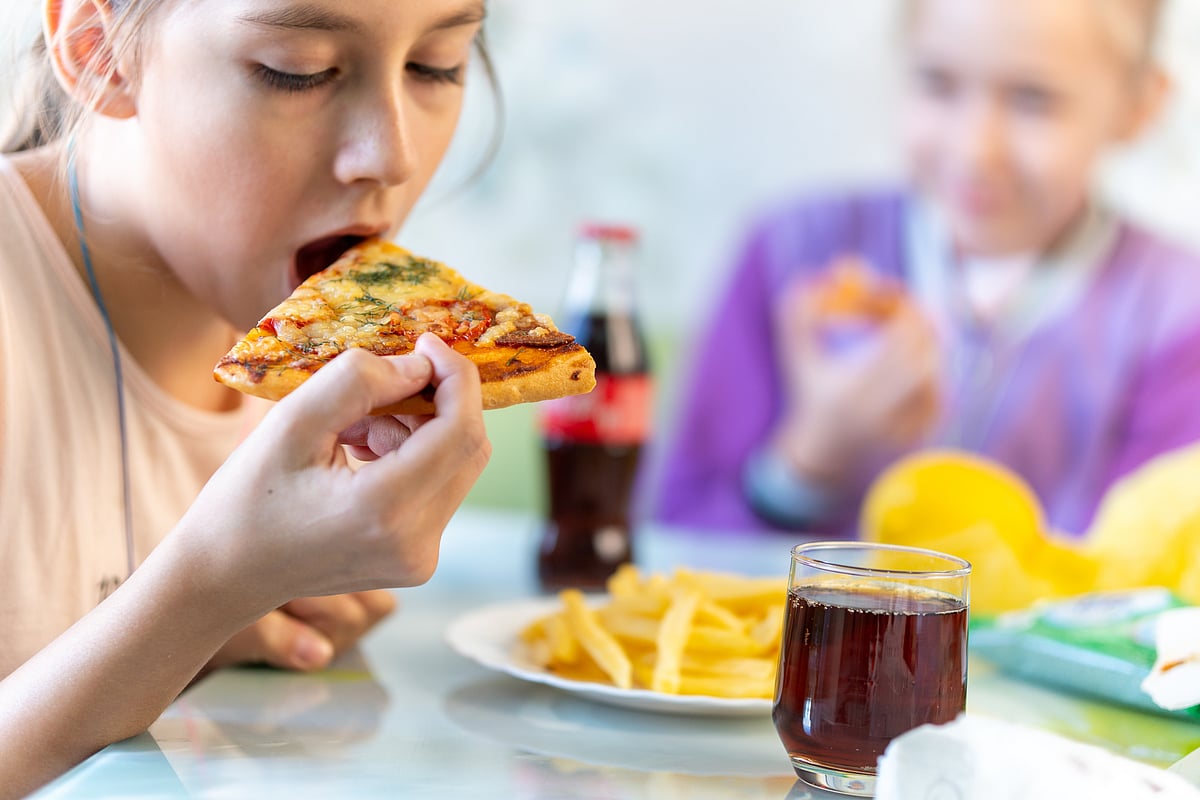
Fried Favourites: Fried chicken, nuggets, falafel, and samosas.
-
Salty Snacks: Crisps, puffed corn balls, and potato sticks (even if baked).
-
Processed Meats: Hotdogs, deli meats, and sausages.
4. Ultra-Processed Items and Additives
Chemical additives are a major focus of the QCC guidelines. Schools must avoid foods containing Monosodium Glutamate (MSG), synthetic colours, and sauces high in sugar and salt.
Healthier Alternatives Schools Are Encouraged to Offer
Meals can include baked or roasted chicken, grilled fish, legumes, and other plant-based proteins. Whole-grain baked goods with minimal sugar and portion-controlled fruit desserts are preferred.
Drinks should prioritize hydration and natural ingredients. Suitable options include water, sparkling water, unsweetened fruit-infused water, and small portions of 100% fruit juice without added sugar or artificial colouring.
Fresh smoothies made with low-fat dairy and no added sugar may also be served in moderation.
For condiments, schools are encouraged to offer homemade tomato-based sauces with herbs, yoghurt-based dressings, and reduced-fat or low-salt alternatives.
How Schools Enforce the Rules
Educational institutions must incorporate the prohibited list into their food and nutrition policies and:
-
Inform parents and staff about restricted items
-
Monitor food brought from home and sold on campus
-
Record violations and address repeated breaches
-
Ensure canteen operators verify ingredients and preparation methods
Key Takeaways
- Restricting certain foods helps promote healthier habits among children.
- The ‘Red List’ outlines specific items that are prohibited in schools.
- High-sugar, caffeinated, and ultra-processed products are not allowed.
- Healthier meal alternatives include baked proteins, whole grains, and fresh produce.
- Schools are responsible for enforcing these food policies diligently.
FAQ
What foods are on the ‘Red List’?
The ‘Red List’ includes high-sugar drinks, sweets, high-sodium foods, and ultra-processed items.
Why are certain foods prohibited in schools?
The aim is to reduce health risks and encourage better eating habits among students.
What are some healthier alternatives schools can offer?
Schools are encouraged to serve baked or grilled proteins, whole grains, fresh fruits, and water.
How are schools held accountable for food policies?
They must communicate restrictions, monitor compliance, and record violations.