‘Oats aren’t enough!’ The 3 distinct types of fibre you need daily for your health (plus: the simplest sources of each)
Fibre has become a focal point in health discussions, much like protein. You can find countless articles, social media posts, and products highlighting its significance and benefits. And for good reason!
According to Dr. Emily Leeming, a microbiome scientist and registered dietitian, ‘You need 30g of fibre a day, yet only 4% of people in the UK are meeting that target.’ Fibre is essential for maintaining heart and digestive health, as well as regulating blood sugar levels. Extensive research shows that high fibre intake is linked to a reduced risk of heart disease, stroke, type 2 diabetes, and bowel cancer. However, it’s important to note that not all fibres offer the same benefits.
Traditionally, fibre has been categorized into two types: soluble and insoluble. Dr. Leeming explains that this classification is based on how easily the fibre dissolves in water and its contribution to food bulk in the digestive system and stools.
Soluble fibre dissolves in water, according to Professor Sarah Berry, Chief Scientist at ZOE. ‘This type of fibre helps to stabilize blood sugar levels post-meals by slowing carbohydrate absorption. It also enhances feelings of fullness, making it easier to manage your appetite, and supports gut microorganisms, which in turn promote beneficial metabolites like short-chain fatty acids.’
On the other hand, insoluble fibre does not dissolve in water. ‘Instead, it adds bulk and assists in moving food through the digestive tract, enhancing regular bowel movements. Compared to many soluble fibres, insoluble fibres are less fermentable by gut microbes and contribute primarily to “roughage” and stool bulk. This type of fibre is particularly beneficial for improving stool consistency and reducing the risk of constipation, especially when combined with increased fluid intake and physical activity,’ she explains.
While a healthy diet should include both types, Leeming notes that ‘we’ve moved beyond simple classifications.’ She explains that the viscosity of the fibre, or its ability to thicken or form a gel, plays a significant role in its health benefits, such as lowering “bad” cholesterol levels and delaying sugar absorption into the bloodstream.
Moreover, fibres can also be fermentable, providing nourishment for your gut microbes. ‘One important type is resistant starch,’ Leeming adds, ‘which was only officially recognized as a type of fibre around 2008.’
‘Resistant starch is technically a starch but behaves like fibre because it “resists” digestion in the small intestine,’ Berry explains. ‘It reaches the large intestine, where gut microbes ferment it to produce short-chain fatty acids. This type of starch serves as a prebiotic fuel for gut microbes, supporting the health of the gut lining and contributing to broader metabolic effects.’
So, how can you effectively harness the various benefits of these fibre types? While nutrition guidelines don’t specify recommended amounts for different types of fibre, ‘we know it’s optimal for health to consume a variety of fibres from whole foods,’ Leeming advises.
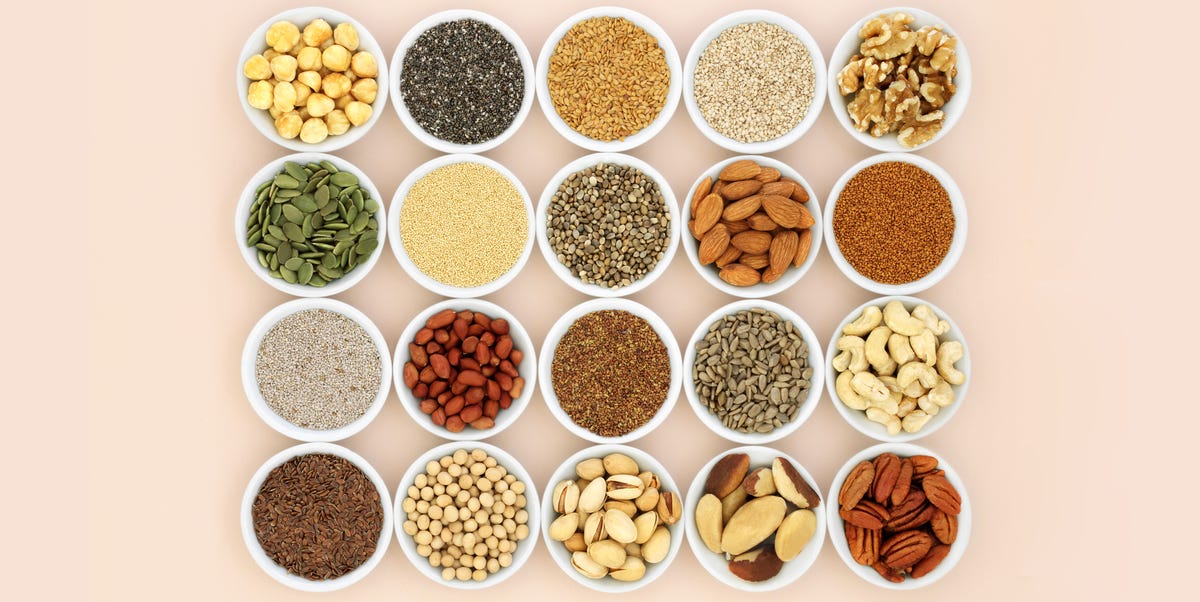
Many whole grains, fruits, vegetables, legumes, nuts, and seeds provide a diverse array of fibres. Leeming emphasizes that ‘beans, whole grains, nuts, and seeds often provide 2-3 times more fibre than most fruits and vegetables.’
Berry notes that the best sources of soluble fibre include oats, barley, beans, lentils, and pectin-rich fruits and vegetables, such as citrus peels, plums, carrots, and bananas. For insoluble fibre, she recommends whole grains—particularly wheat bran, brown rice, and quinoa—as well as leafy greens, other vegetables, nuts, seeds, and skin-on fruits. For resistant starch, look for legumes (such as beans, lentils, and chickpeas), potatoes, and grains that have been cooked and then cooled, as this cooling process increases resistant starch content.
In conclusion, it is advisable to aim for 30g of fibre daily, ensuring a diverse intake of fibre-rich foods to reap various benefits. So remember, oats alone aren’t sufficient.