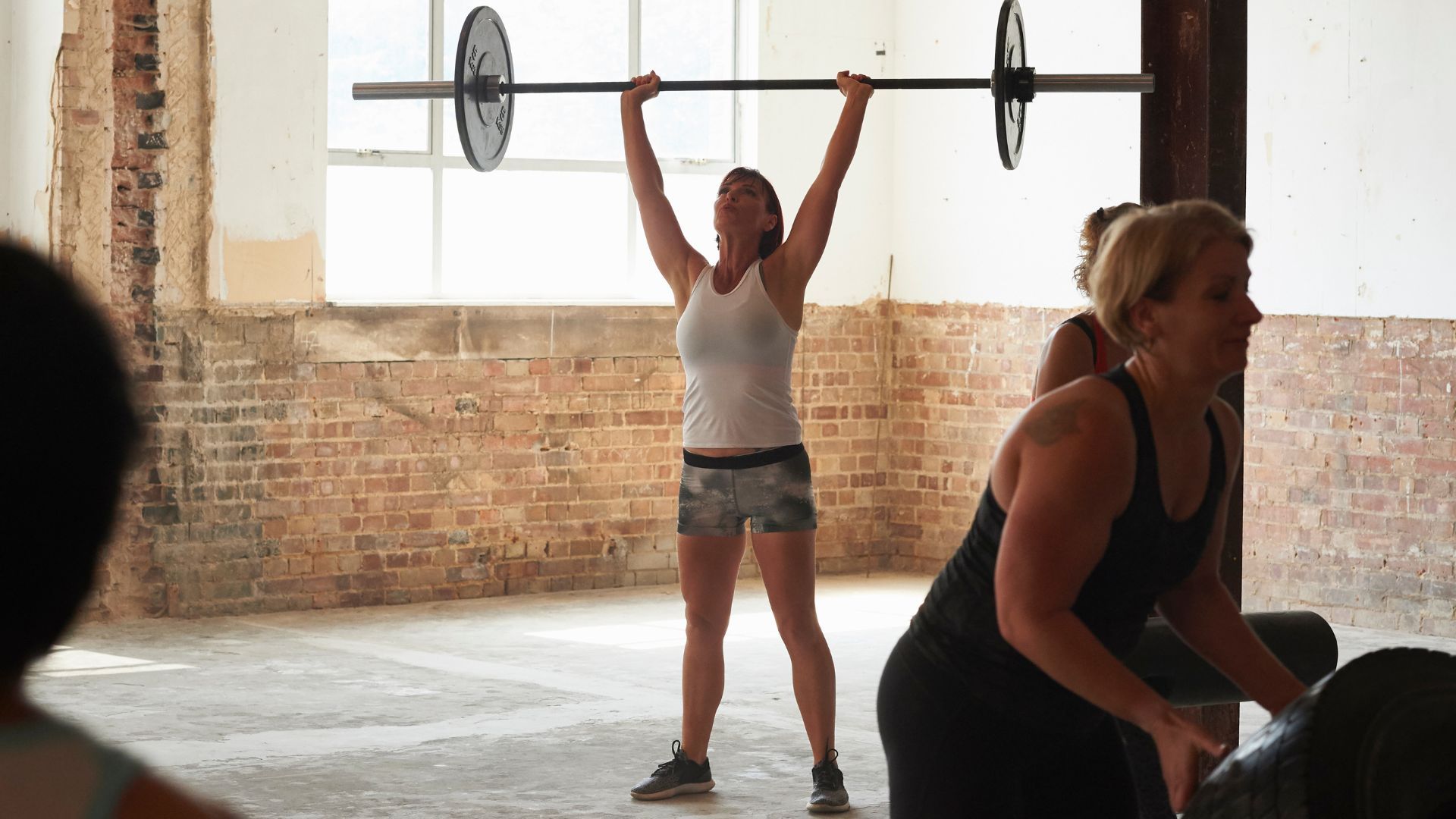
Unlock the Benefits of Strength Training for Longevity
Strength training is an essential element of fitness that offers tremendous benefits for your body as you age. It not only supports muscle growth but also plays a vital role in maintaining bone and joint health. If you’re wondering how long and how often you should lift weights, recent research provides valuable insights.
A study highlighted the correlation between strength training frequency and longevity, revealing that lifting weights can confer health benefits akin to being nearly eight years younger. Published in the Journal of Biology (Basel), this research examined nearly 5,000 participants, with an average age of 42, to assess the impact of resistance training on aging.
Duration and Frequency: How Long Should You Lift Weights?
According to the study, achieving a biological age benefits like saving 7.8 years requires lifting weights for an hour, three times a week. This translates to a total of 180 minutes dedicated to strength training each week.
Researchers analyzed blood samples to assess the length of participants’ telomeres—protective DNA caps that shrink with age, which can indicate cellular health. The findings suggested that individuals who engaged in strength training for 90 minutes a week enjoyed nearly four years’ worth of biological age reduction compared to their counterparts who didn’t lift weights.
Interestingly, even those who lifted weights for less than the recommended hour per week showed improvements in their telomere lengths. They had significantly longer telomeres than individuals who did not engage in any strength training, highlighting that some resistance training always provides benefits.
Why Strength Training Matters
The implications of strength training go beyond just increased muscle mass and strength. Regular weightlifting has been linked to improved mental and physical well-being, contributing to longevity. Specifically, it can mitigate chronic disease effects, promote fat loss, and improve cardiovascular health. This study underscores how essential it is to incorporate strength training into your routine for better health as you age.
By focusing on longevity, strength training can help you lead a better quality of life—not just a longer one. This research stands out as it clearly defines the time commitment required for optimal benefits while still advocating for the advantages of shorter workouts.
Conclusion
While the ideal regimen of strength training consists of an hour three times a week, even a minimal commitment can make a notable difference. If your schedule only allows for shorter workouts—a 20-minute session a couple of times a week—you can still reap significant benefits. So, whether you prefer lifting dumbbells at home or engaging in a weighted Pilates workout, embracing strength training is a powerful step towards enhancing your overall well-being and longevity.