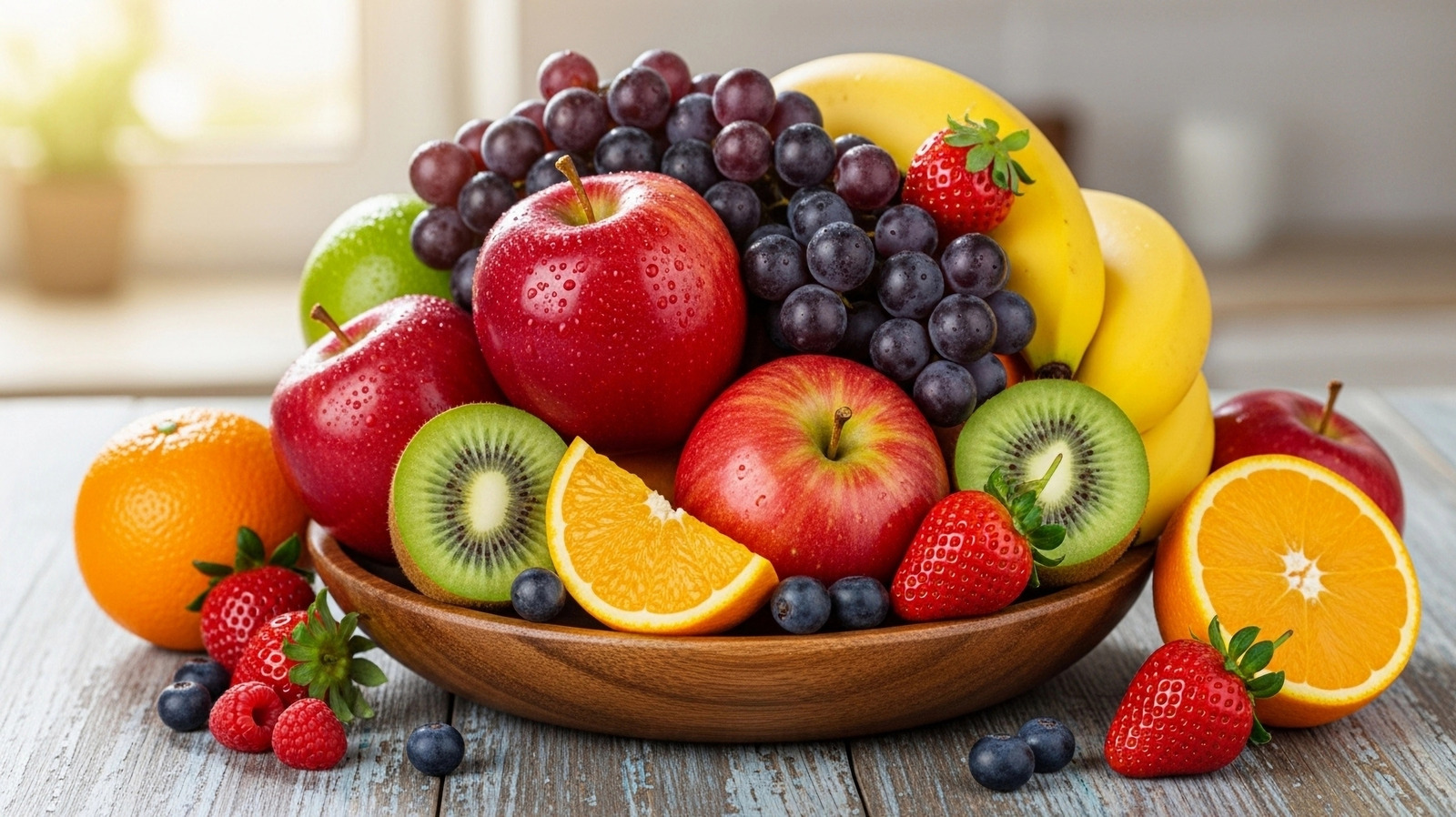
Fruits contain three main types of sugars: fructose, glucose, and sucrose. Sucrose, often associated with refined sugars found in sweets like cookies and cakes, is more complex. In contrast, fruits typically consist of fructose and glucose, which operate independently during digestion.
This unique digestion process, coupled with the fiber in fruits, facilitates a more balanced absorption of sugars. This is evident in the glycemic index (GI) of fruits, which measures how quickly sugar enters the bloodstream after consumption. A GI of 55 or lower is considered low, while 56 to 69 is moderate, and 70 or higher is high. Therefore, even fruits with seemingly low sugar content can influence blood sugar levels significantly.
For our ranking, we examined the sugar content per 100 grams of various fruits. Although glycemic index and load were considered, we ordered 13 popular fruits from lowest to highest sugar content. You can find additional details about our methodology at the end of this article.
Watermelon
Watermelon holds significant cultural importance in the United States and offers more culinary versatility than one might expect. It can enhance salads, be grilled, or even crafted into refreshing summer soups. The U.S. harvests nearly 4 billion pounds of watermelon annually, making it the third most available fruit after apples and bananas, with Florida producing about a quarter of that total.
While watermelon is low in calories, it is a great source of hydration, potassium, vitamins A and B6, and lycopene. It has about 17 grams of sugar per wedge, translating to approximately 6.2 grams per 100 grams of the fruit.
However, it has one of the highest glycemic index scores among fruits, ranging from 72 to 76 due to its low fiber content in relation to its sweetness. So, while it may seem a better choice than candy, it’s worth noting that a Snickers bar has a GI score over 20 points lower.
Cantaloupe
Cantaloupe is not only rich in benefits for eye health, immunity, and digestion, but it also contains a modest sugar content of around 7.9 grams per 100 grams, primarily due to its high water content.
This fruit is a common fixture at summer gatherings, but it’s essential for fans to monitor its glycemic index, which averages around 65, placing it in the medium range. Hence, individuals with diabetes are often advised to consume cantaloupe with caution.
Interestingly, the origin of cantaloupe is somewhat shrouded in mystery, with tales suggesting it entered the affection of Pope Paul II in the 15th century while residing at his estate near Rome, which lent its name to the fruit: Cantalupo.
Kiwi
Often overlooked, kiwi has ranked lower in popularity among fruits, yet it holds a delightful surprise once cut open. Originally from China, where two-thirds of the world’s kiwis are still produced, this fuzzy fruit is noted for its nutritional benefits, including vitamins C and E, antioxidants, and gut health support. Kiwi contains approximately 9 grams of sugar per 100 grams.
However, its sugar content increases as it ripens, which can be a consideration for those monitoring their blood sugar levels. While its average glycemic index is around 47, it can reach the low 50s as it matures.
Orange
Oranges are beloved for their juicy, tangy sweetness and high vitamin C content. They have long been one of the most popular produce items in the United States, with around 4 million tons harvested annually, averaging about 15 pounds consumed per person.
Typically, 100 grams of orange contains about 9.4 grams of sugar, although larger oranges can have as much as 17 grams. Fortunately, the fiber present in oranges helps to moderate sugar absorption, resulting in a glycemic index of around 45.
However, this fiber vanishes when oranges are juiced, leading to concentrated sugar content comparable to soda, which might raise concerns for those monitoring their sugar intake—many Americans consume over 70 pounds of orange juice annually.
Pineapple
Brazilians have a saying, “descascar o abacaxi,” meaning “to peel a pineapple,” reflecting the challenges of preparing this sweet fruit. Pineapple contains about 9.9 grams of sugar per 100 grams, alongside a wealth of vitamins, minerals, and fiber, offering anti-inflammatory benefits.
However, pineapple’s moderate fiber content leads to a glycemic index of around 59, meaning that while nutritious, consuming too much could elevate blood sugar levels, especially when processed or canned in sugary syrup.
Banana
The ripeness of fruit greatly influences sugar content; as bananas mature, their starches convert to simpler sugars, enhancing sweetness but potentially lowering nutritional quality. Unripe bananas contain beneficial resistant starch, which vanishes as they yellow, leaving higher sugar levels behind.
Typically, an average banana contains about 12 grams of sugar, and its glycemic index is around 48. While bananas provide essential nutrients like potassium and vitamin B6, remember: the riper they get, the greater their sugar content.
Pomegranate
Pomegranates average around 14 grams of sugar per 100 grams, offering a delightful, candy-like experience with their sweet, juicy seeds. This ancient fruit, thought to have origins stretching from modern-day Iraq to the Caucasus, is rich in antioxidants, fiber, and various vitamins, all contributing to heart health.
Interestingly, while pomegranates can be messy to eat, they have been a significant fruit throughout history, possibly even being referred to as the forbidden fruit in biblical storytelling. Their glycemic index stands at about 35, indicating a lower sugar impact on blood levels.
Mango
Mangoes may pose challenges when it comes to peeling, but their flavor has made them incredibly popular, even becoming one of America’s most Googled fruits. Over the past 15 years, mango consumption in the U.S. has more than doubled, reflecting their rising appeal.
Mangoes contain roughly 14 grams of sugar per 100 grams, making them one of the sweeter fruits, yet their glycemic index is relatively low, around 50. This fruit is cherished for its rich vitamin C and potassium content, alongside its historical significance, being India and Pakistan’s national fruit.
Lychee
Lychees pack a powerful nutritional punch, containing flavonoids, polyphenols, vitamin C, and potassium, yet their sweetness climbs to around 15 grams per 100-gram serving. With a glycemic index typically around 50, they’re worth enjoying in moderation.
Historically, lychees were so revered that ancient Chinese emperors would send couriers on long journeys to procure them, underlining their value. However, be cautious with canned lychees in syrup, which can spike sugar content to as high as 22 grams per serving.
Fig
Figs are among the oldest cultivated fruits, with a history of over 10,000 years. Fresh figs contain about 16 grams of sugar per 100 grams, while dried figs skyrocket to about 48 grams within the same portion.
Although they are rich in nutrients, their glycemic index is approximately 61, so those mindful of their blood sugar levels should enjoy them in moderation. Remarkably, most figs are vegan, despite needing pollination from fig wasps.
Raisins
While fresh grapes are packed with nutrients and beneficial compounds, once dried to make raisins, their sugar content dramatically increases. Raisins contain about 59 grams of sugar per 100 grams, with a glycemic index of approximately 64.
Despite this transformation, raisins still offer health benefits, rich in antioxidants and other beneficial compounds, while also promoting digestive health.
Dates
Having been cultivated for over 6,000 years, dates symbolize life and fertility across various cultures. One date can possess around 16 grams of sugar, and each 100-gram serving comprises about 63 grams of sugar, with glycemic index scores varying from 42 up to 75.
While dates are rich in various nutrients beneficial for heart and gut health, their high sugar content means moderation is key, especially as they are often consumed in their ripened, sweeter states.
Methodology
Each fruit varies in portion size; thus, we standardized our analysis by measuring the sugar content per 100 grams. However, simply focusing on sugar count does not indicate how it will affect your body. For this reason, we also examined the glycemic index across various medical and nutritional resources to identify sweet fruits with potential downsides.
Our list emerged from these thorough observations, offering insights into the sugar content of popular fruits and their glycemic impacts for informed choices.