Former NPR Host David Greene Sues Google Over Voice Misappropriation
A seasoned NPR radio host is taking legal action against Google, claiming that the tech giant has unlawfully used his voice in its AI podcast tool, as detailed in a lawsuit filed in Santa Clara County, California.
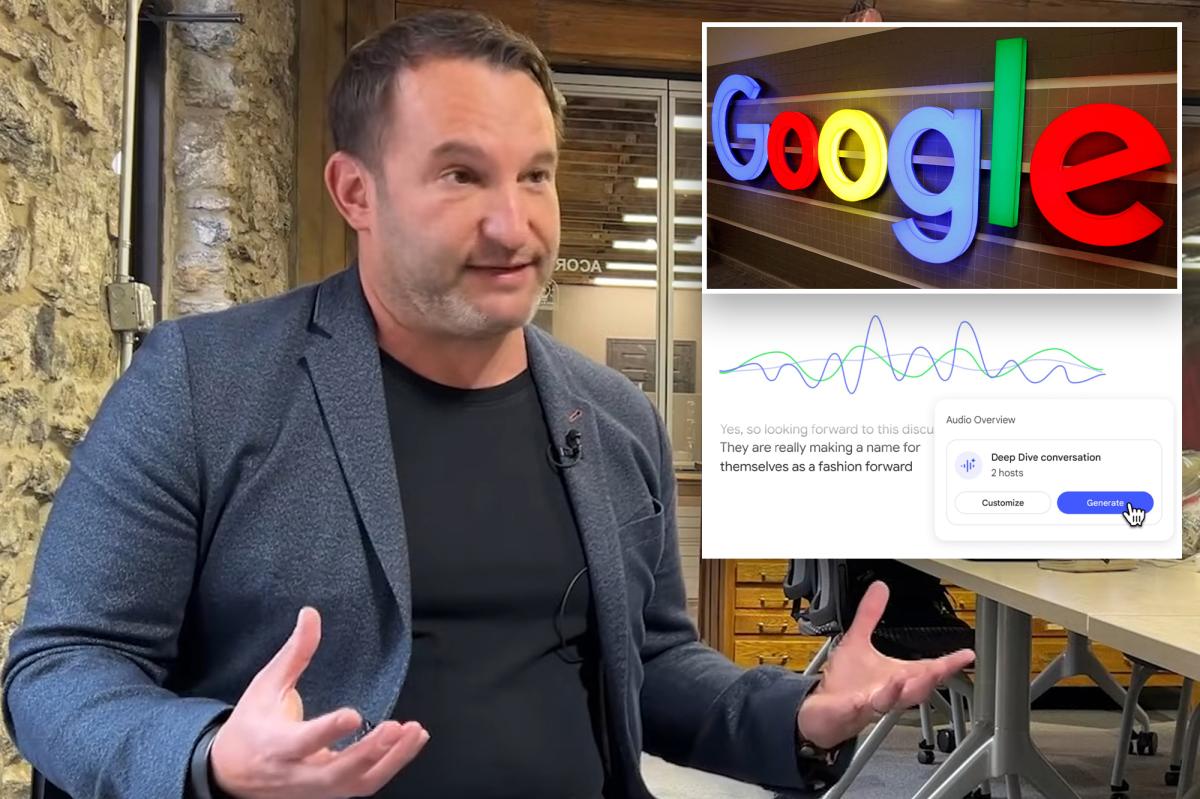
David Greene, previously the host of “Morning Edition” and “Up First,” and now the voice behind KCRW’s “Left, Right & Center,” became aware of Google’s NotebookLM—a tool that produces automated podcasts—through an email from a former colleague. The message, sent in the fall of 2024 shortly after the tool’s launch, asked, “So…I’m probably the 148th person to ask this, but did you license your voice to Google? It sounds very much like you!”
Shortly thereafter, Greene’s email inbox became inundated with inquiries from friends and family questioning whether he had permitted Google to use his voice for its podcast tool, which features both a male and female voice that converse with each other.
“I was completely freaked out,” Greene conveyed to the Washington Post. “It’s this eerie moment where you feel like you’re listening to yourself.”
He clarified, “I’m not some crazy anti-AI activist. It’s just been a very bizarre experience.”
Google, which debuted its automated podcast tool in 2024, has denied the allegations outlined in the lawsuit filed on January 23. Spokesperson José Castañeda asserted, “These allegations are baseless. The sound of the male voice in NotebookLM’s Audio Overviews is based on a paid professional actor Google hired.”
Greene, who began his NPR career in 2005, insists that the voice used in NotebookLM strikingly resembles his own, complete with similar cadences, intonations, and even casual fillers like “uhs” and “likes.” He remarked, “My voice is, like, the most important part of who I am,” noting his wife’s astonishment upon hearing the AI podcast.
While Greene’s lawsuit contends that his voice was mimicked for the podcast generator, it lacks definitive evidence. The complaint mentions an unnamed AI forensic firm that analyzed audio from NotebookLM and estimated a “relatively high” confidence rating of 53% to 60%, suggesting that Greene’s voice was used to train the AI.
This lawsuit is part of a growing trend in which major tech companies face scrutiny over potential copyright violations in the development of their AI tools.
Scarlett Johansson threatened legal action against OpenAI in 2024 when the company released a chatbot voice reminiscent of her own, following her decision to decline an offer to voice one of its bots. OpenAI eventually removed the “Sky” voice from its platform.
In another incident, social media platform X (formerly known as Twitter) faced backlash in 2024 regarding the proliferation of sexually explicit “deepfake” images of Taylor Swift, which garnered millions of views before the platform implemented a temporary ban on her name and related terms from its search function.
Greene’s attorney, Joshua Michelangelo Stein—who also represents authors like comedian Sarah Silverman and journalist Ta-Nehisi Coates in their copyright infringement case against Meta—expressed confidence in the judicial process. “We have faith in the court and encourage people to listen to the example audio themselves,” Stein stated, although he did not provide an immediate comment to the Post.
This lawsuit highlights the ongoing concerns surrounding the ethical implications of AI technology and copyright rights. As the conversation about AI continues to evolve, cases like Greene’s will likely contribute to the broader discourse on the ownership of one’s voice and creativity in the digital age.