Exploring the Shifting Landscape of the Beauty Industry: LVMH’s Strategic Moves
In the ever-evolving world of beauty, companies must adapt to changing consumer demands and market dynamics. Recently, LVMH, a leading luxury conglomerate, has been rethinking its beauty portfolio, exploring the sale of its renowned brand, Make Up For Ever, amidst a broader restructuring strategy. This article delves into the implications of these changes and their significance for the industry.
Key Takeaways:
- LVMH is considering selling Make Up For Ever as part of a strategic overhaul of its beauty division.
- A decrease in global makeup demand poses challenges for beauty corporations.
- The company is shifting its focus towards high-performing luxury beauty brands like Dior.
Strategic Restructuring
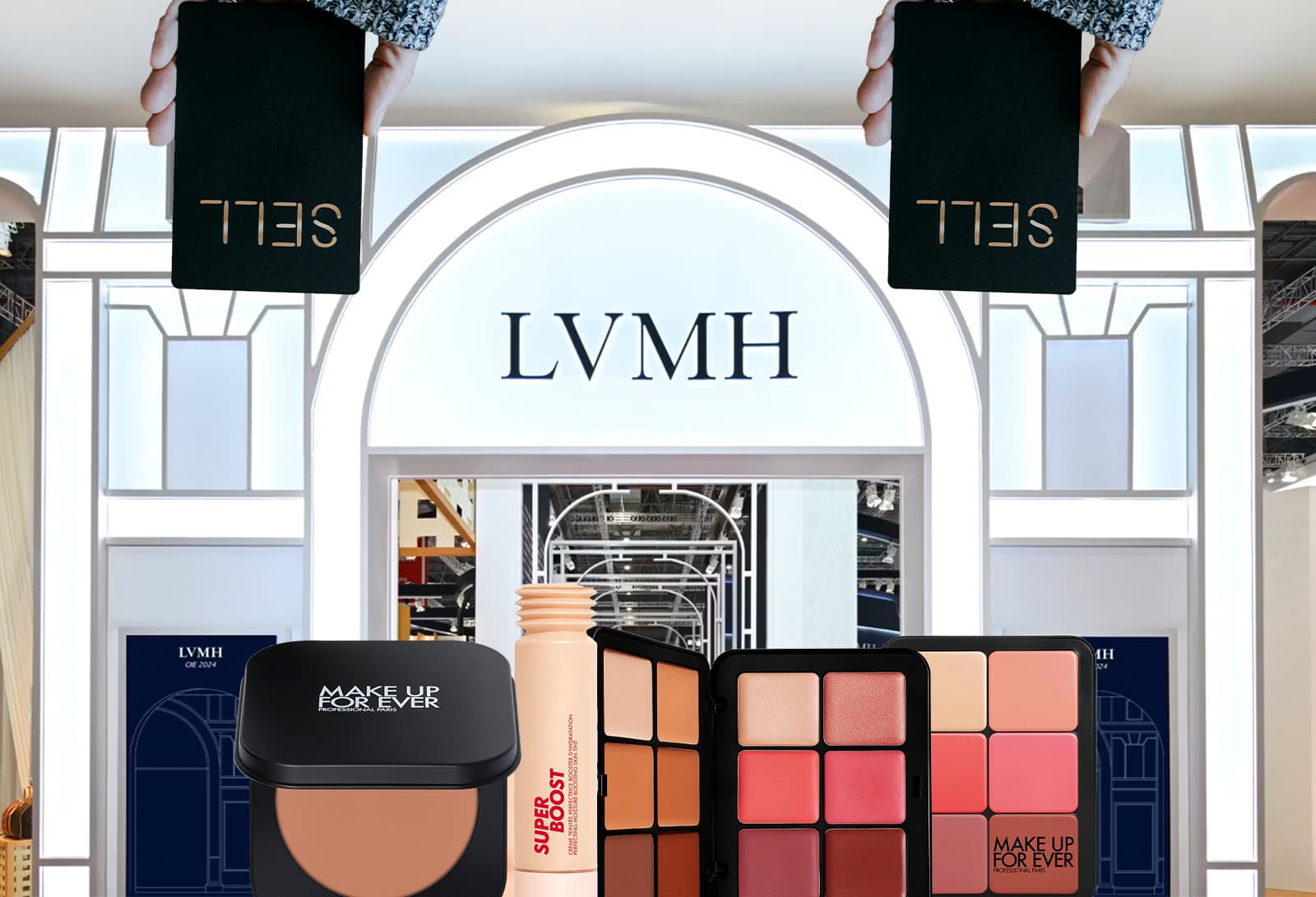
LVMH is evaluating the potential sale of Make Up For Ever, a historic makeup brand, as part of a significant revamp of its beauty division. This move comes at a time when the global demand for makeup is waning, affecting the profitability of many beauty brands.
According to sources familiar with the situation, LVMH has approached various strategic beauty firms and private equity companies regarding the sale. Currently, Make Up For Ever is exclusively available through Sephora in Europe and North America. The conglomerate is also contemplating divesting from the skincare brand Fresh and its stake in Rihanna’s Fenty Beauty, with a projected value of between €1.5 billion and €2.5 billion.
The Challenges Ahead
Acquired in 1999, Make Up For Ever was initially expected to be a cornerstone of LVMH’s beauty business. However, as competition intensified and the brand underperformed—in part due to lack of investment—the company has had to make difficult decisions. Over the past eight years, Make Up For Ever has generated losses despite annual net sales of approximately €300 million.
In recent years, LVMH’s aspirations to elevate Make Up For Ever into a €1 billion brand have dampened, leading to significant layoffs. Currently, the brand is under the leadership of Aline Burelier, former CFO, who is focused on cost-cutting measures.
Industry Context
LVMH isn’t alone in its restructuring efforts. Competitors like Estée Lauder and Coty are also reassessing their portfolios, signaling a broader trend in the industry. For instance, Coty has initiated a strategic review of its consumer beauty division.
In terms of recent performance, the cosmetics sector is facing challenges, particularly from agile indie brands that have encroached upon established market share. Despite a temporary boost during the leadership of Stéphane Rinderknech, revenue for LVMH’s fragrance and cosmetics sector has recently seen a downturn.
Concluding Thoughts
LVMH’s exploration of divestment from brands like Make Up For Ever illustrates the complexities and challenges facing the beauty industry today. As the market becomes increasingly competitive and consumer preferences shift, companies must remain agile and focused on their strengths. For beauty enthusiasts and industry stakeholders, these developments serve as a reminder of the dynamic nature of the beauty landscape. As LVMH pivots to concentrate on its luxury assets, the future of brands like Make Up For Ever remains uncertain, embodying both risk and opportunity for potential buyers in a rapidly changing market.