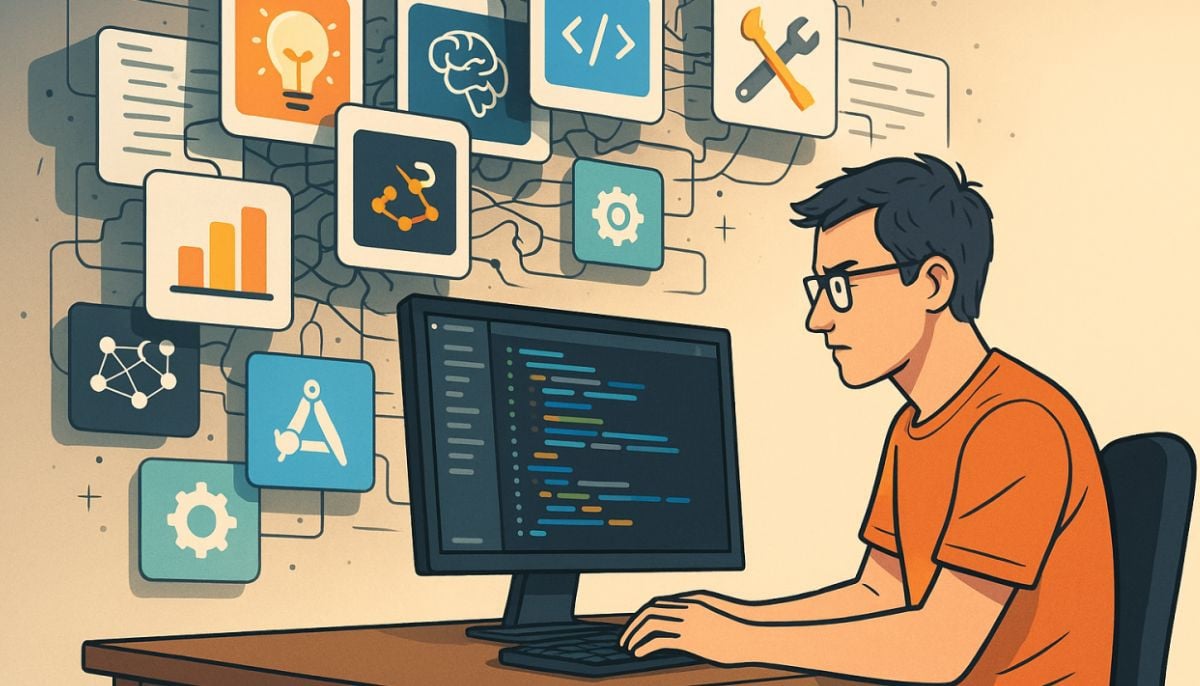
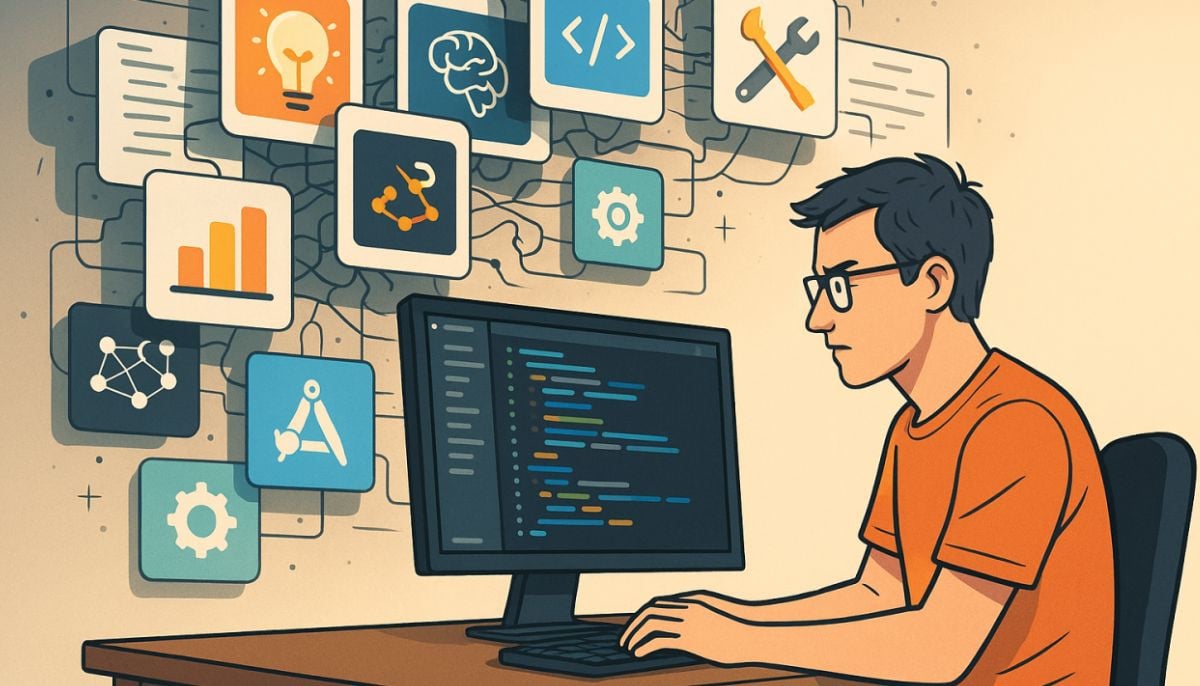
Artificial Intelligence (AI) tools are widely regarded as means to reduce workloads and enhance operational efficiency. However, recent research challenges this mainstream perspective.
A study published in the Harvard Business Review suggests that rather than providing productivity improvements, AI tools may, in fact, exacerbate workloads. The findings reveal a shift toward an unsustainable work pace that contradicts prior expectations.
This study debunks the commonly held belief that AI can simply boost productivity. Instead, it indicates that these tools can lead to increased work intensity. Employees, motivated by the “doing more” mindset, may feel compelled to take on additional tasks, perceiving them as rewarding. Below are several ways this intensification manifests:
Task Expansion
AI is adept at bridging knowledge gaps, but as workers take on responsibilities that extend beyond their expertise, they often spend more time rectifying and reviewing AI-generated outputs.
Dubbed as “just experimenting with AI,” employees expand their job roles, inadvertently increasing their workloads.
Blurred Work-Life Boundaries
Another concern is that AI tools dissolve the boundaries between work hours and personal time. What feels like casual “chatting” can easily lead to work during breaks, resulting in a continuous work cycle.
The seamless nature of AI enables employees to engage in work during breakfast, coffee breaks, and other nominally off-duty periods without conscious effort.
Hyper-Multitasking
AI encourages hyper-multitasking, with employees juggling multiple AI agents or tasks simultaneously. While initial multitasking may seem beneficial, it can generate a heavy cognitive load due to frequent shifts in focus and the constant pursuit of new AI outputs.
Hidden Costs
While short-term productivity might spike, the long-term consequences include burnout, cognitive fatigue, and diminished decision-making capabilities.
The researchers conclude that “the cumulative effect for workers includes fatigue, burnout, and an increasing difficulty in detaching from work—especially as organizational demands for speed and responsiveness escalate.”
They further emphasize that while AI makes it easier for employees to accomplish more, it simultaneously complicates the ability to disengage from work.
In summary, the potential of AI as a productivity tool may often be overshadowed by its unintended consequences, leaving workers feeling more burdened than before.