Recent findings indicate that the quality of macronutrients is more vital for heart health than their quantity, challenging the assumption that merely reducing carbohydrate and fat intake is beneficial.
For immediate release: Feb. 11, 2026
Boston, MA—A recent study from researchers at Harvard T.H. Chan School of Public Health discovered that both low-carbohydrate and low-fat diets, when consisting of high-quality plant-based foods and low animal product consumption, are associated with a reduced risk of heart disease. Conversely, diets high in refined carbohydrates and animal fats correlate with increased heart disease risk. This research indicates that the quality of macronutrients, rather than the quantity, is crucial for supporting heart health.
The study was published on February 11, 2026, in JACC.
“For the last 20 years, low-carb and low-fat diets have been promoted in the U.S. for weight management and metabolic health, yet their impact on heart disease risk has not been definitively established,” explained first author Zhiyuan Wu, a postdoctoral research fellow in the Department of Nutrition. “Our research dispels the notion that simply adjusting carbohydrate or fat intake is sufficient, emphasizing instead that the quality of the foods in these diets is what truly protects heart health.”
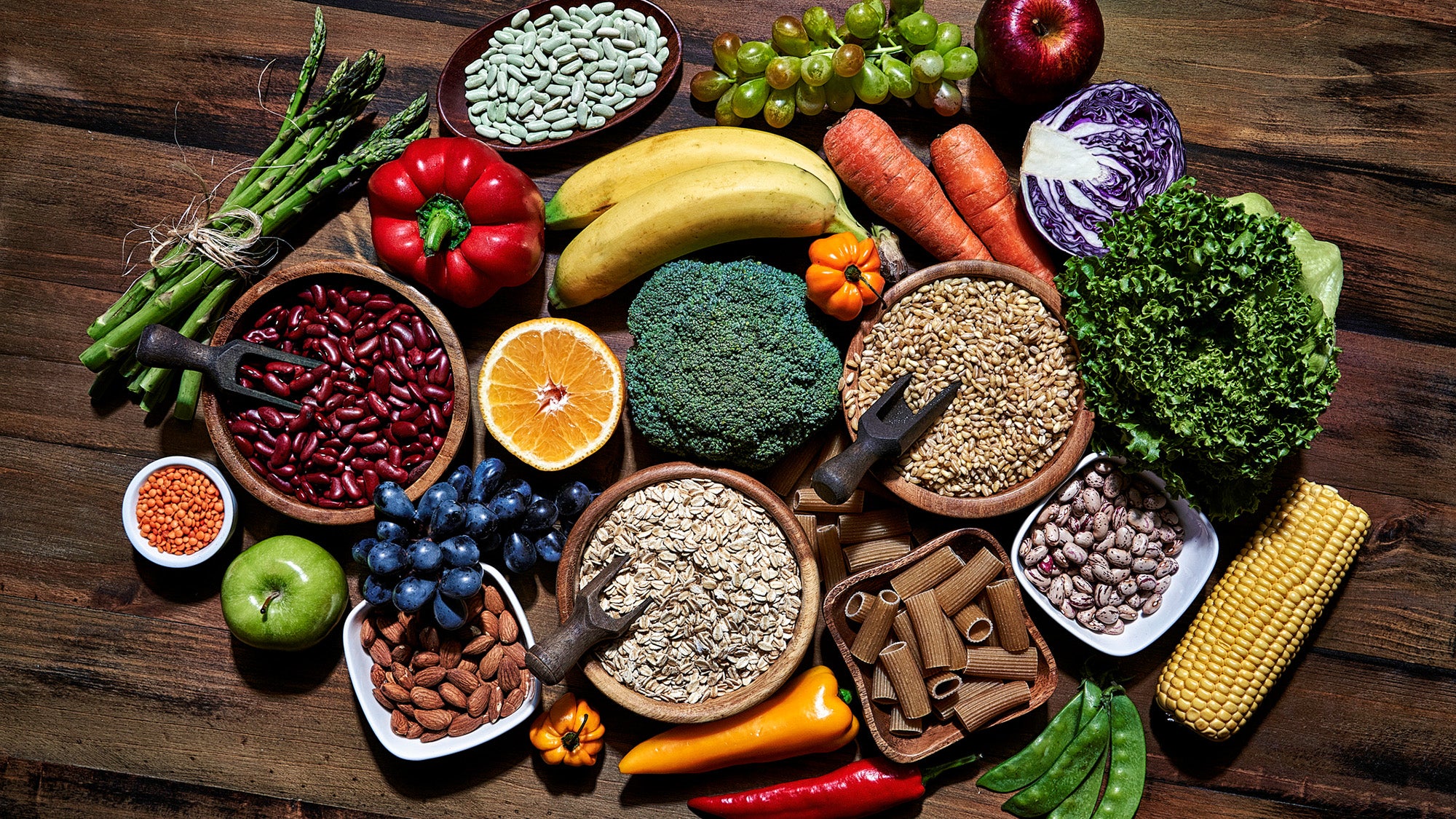
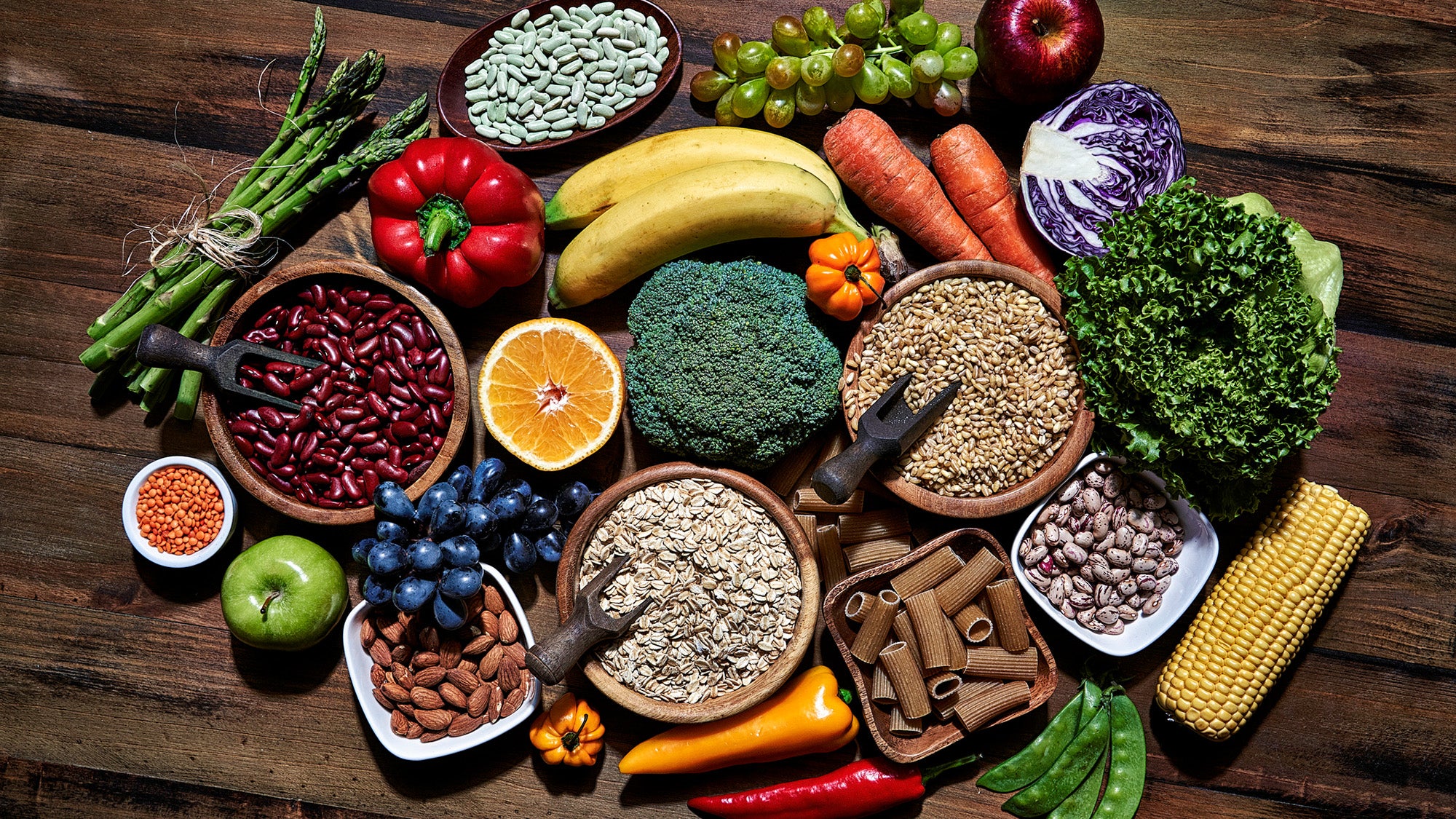
Prior research has demonstrated that diets rich in healthy carbohydrates and fats—such as whole grains, fruits, vegetables, nuts, legumes, and olive oil—are linked to a lower risk of coronary heart disease (CHD). This study specifically investigated those patterns within the context of low-carbohydrate and low-fat diets using data from nearly 200,000 men and women involved in the Health Professionals Follow-Up Study, Nurses’ Health Study, and Nurses’ Health Study II. Researchers assessed the diets of participants, scoring them to identify healthy versus unhealthy low-carbohydrate and low-fat diets while taking various health and lifestyle factors into account. Blood samples were also analyzed to measure cardiovascular risk biomarkers.
The findings showed that low-carbohydrate and low-fat diets focusing on high-quality carbs and plant-based sources of protein and fats correlated with approximately a 15% lower risk of CHD. In contrast, versions of these diets that were high in refined carbs and animal products led to an increased risk of heart disease. Additionally, blood analyses revealed that healthy iterations of low-carb and low-fat diets were associated with better cardiovascular biomarkers, including higher HDL (good) cholesterol and reduced triglyceride levels.
“For healthcare professionals and patients alike, our findings highlight that fostering a generally healthy eating pattern, rather than merely restricting macronutrient intake, should be a primary strategy in preventing heart disease,” stated corresponding author Qi Sun, an associate professor in the Departments of Nutrition and Epidemiology.
Article information
“Effect of Low-Carbohydrate and Low-Fat Diets on Metabolomic Indices and Coronary Disease in US Individuals,” Zhiyuan Wu, Binkai Liu, Xiaowen Wang, Hala Alessa, Oana Zeleznik, A. Heather Eliassen, Clary Clish, Molin Wang, Kenneth J. Mukamal, Eric B. Rimm, Yang Hu, Frank B. Hu, Qi Sun, JACC, February 11, 2025, doi: 10.1016/j.jacc.2025.12.038
The Nurses’ Health Studies and Health Professional Follow-up Studies receive support from National Institutes of Health grants UM1 CA186107, R01 CA49449, R01 HL034594, U01 HL145386, R01 HL088521, U01 CA176726, U01 CA167552, R01 HL60712, and R01 HL035464. Sun received support from DK120870, DK129670, ES022981, DK126698, and ES036206. Additionally, the Nurses’ Health Studies are backed by the NUS-Harvard Chan Women’s Health Initiative. Funding for the analysis was also provided by the Dana-Farber/Harvard Cancer Center SPORE in Prostate Cancer, P50 CA090381-15.
For further updates, visit the Harvard Chan School website for the latest news and check out the events from our Studio.
For more information:
Maya Brownstein
mbrownstein@hsph.harvard.edu
###
Harvard T.H. Chan School of Public Health is a community of innovative scientists, practitioners, educators, and students committed to enhancing health and fostering equity for all individuals. We investigate the various factors that influence health and collaborate widely to translate these insights into policies and practices that prevent disease and promote well-being around the globe. Annually, we educate thousands of public health leaders through our degree programs, postdoctoral training, fellowships, and continuing education courses. Established in 1913, the School has made significant impacts across a range of fields, from infectious disease to environmental justice and beyond.