Lent, starting this Wednesday, is not solely about abstaining from indulgences for devout Christians. While many may choose to forgo chocolate, sweets, and alcohol, it’s important to consider what else could be eliminated—especially for those who already prioritize healthy eating. Here, six nutritionists share the habits they plan to eliminate during this season.
Constant Caffeine
Caffeine can certainly enhance mood and alertness; however, it’s easy to consume too much. Nutritionist Rob Hobson, author of The Low Appetite Cookbook, has found his caffeine intake becoming excessive during meetings. He recognized that his frequent coffee consumption was affecting both his stress levels and sleep quality. “I’m not cutting out coffee entirely,” he notes. “I’ll limit myself to one cup before hitting the gym and then go caffeine-free for the rest of the day.” Instead of relying on decaf options, he plans to enjoy ginger and lemon tea throughout the day for a refreshing change and then switch to calming herbal teas in the late afternoon to help alleviate stress.
Endless Crisps
We all know how effortless it is to consume an entire bag of crisps without realizing it. This is a habit Emma Bardwell, a menopause nutritionist, intends to address during Lent. “Crisps can be part of a balanced diet, but they’re easy to overeat,” she explains. “I find I don’t crave them when I’ve eaten protein and fiber-rich meals. Usually, it’s hunger while cooking that draws me to the crisp drawer—especially during Netflix time with my favorite Bacon Fries.” Instead of traditional crisps, she aims to snack on fiber-rich, nutrient-dense, and lower-calorie seaweed crisps for a healthier, crunchy indulgence.
• The best nuts for your heart, brain and gut — and how many to eat
On-the-Go Snacking
Sometimes, it’s not just what we eat, but how we eat it that can negatively impact our health. Nutritionist Lily Soutter from Harley Street has realized that she often eats mindlessly while juggling her toddler’s needs. “I want to foster a habit of sitting down to eat, chewing thoroughly, and being present during meals,” she says. This approach can lead to greater satisfaction during meals, helping to lessen the desire to snack, and improve digestive comfort. “I also recognize the significant benefits of family meals,” she continues. “I want to set a good example of healthy eating for my child.”
• What snacks are good for you? 7 tips from professional nutritionists
Ready-Made Soups
Lent doesn’t necessarily have to mean sacrificing things you enjoy. It can also be an opportunity to enhance a good habit. Nutritionist Rhiannon Lambert, author of The Fibre Formula, finds comfort in soup as a quick meal during the colder months. However, she notes that many store-bought soups are packed with preservatives, artificial flavorings, and excessive salt.
Instead, Lambert plans to use her handheld blender to create her own soups, filled with vegetables, herbs, spices, and pulses. “Homemade soups are an excellent way to up your fiber intake,” she states, noting a recent report that revealed 96 percent of UK residents do not meet the recommended 30g of fiber daily. “Ingredients like beans, lentils, chickpeas, root vegetables, and whole grains are fantastic fiber sources that support gut health and leave you feeling satisfied for longer,” she adds.
• Why parmesan cheese and cold potatoes are fitness foods — yes, really
Refined Sugar
It’s no surprise that refined sugar earns the nutritionist’s ire. This type of sugar, absent in natural sources like fruits and dairy products, has been linked to various health issues. Le’Nise Brothers, a nutritional therapist, has eschewed refined sugar for Lent in the past and plans to do so again. “Studies indicate that high consumption of refined sugar—over 30g daily, roughly equivalent to one Mars Bar—correlates with elevated cholesterol, chronic inflammation, and increased risk of type 2 diabetes,” she explains. Instead, she suggests enjoying chopped apples with nut butter, crisp green apples, or dates. Additionally, she emphasizes the importance of including ample protein, fiber, and healthy fats in meals to keep hunger at bay and mitigate cravings for sweets.
Repetition
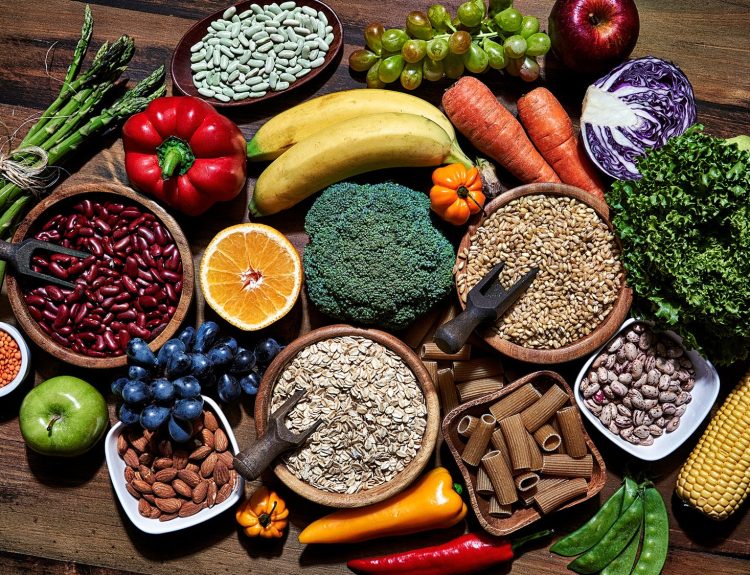
It’s easy to fall into a routine of consuming the same fruits and vegetables, but diversity is essential. The recommendation has evolved from ‘five a day’ to ‘thirty different plant types a week.’ Nutritionist and personal trainer Manisha Morgan stresses the importance of variety, as different foods nourish different gut bacteria, benefiting digestion, immunity, and mood. “Instead of my usual courgettes and peppers, I plan to incorporate more Indian vegetables, like okra or bitter gourd, into soups and curries,” she states. “I’ll also enjoy oranges sprinkled with Tajin—a Mexican seasoning. Remember, herbs and spices count towards your tally as well.” She advises focusing on color, suggesting swapping green grapes for black ones, as different colors indicate different beneficial plant compounds. “If meals become monotonous, sticking to healthy habits may become challenging,” she concludes.