Understanding Clean Beauty: Trends, Concerns, and Practical Tips
The clean beauty movement gained significant traction in the 2010s, shifting the conversation around cosmetics towards ingredient safety and sustainability. Major retailers like Ulta Beauty and Sephora introduced initiatives to help consumers make informed choices. However, recent controversies have raised questions about the authenticity of some clean beauty claims. This article will delve into the clean beauty landscape, current challenges, and practical advice for navigating personal care products.

The Current Clean Beauty Landscape
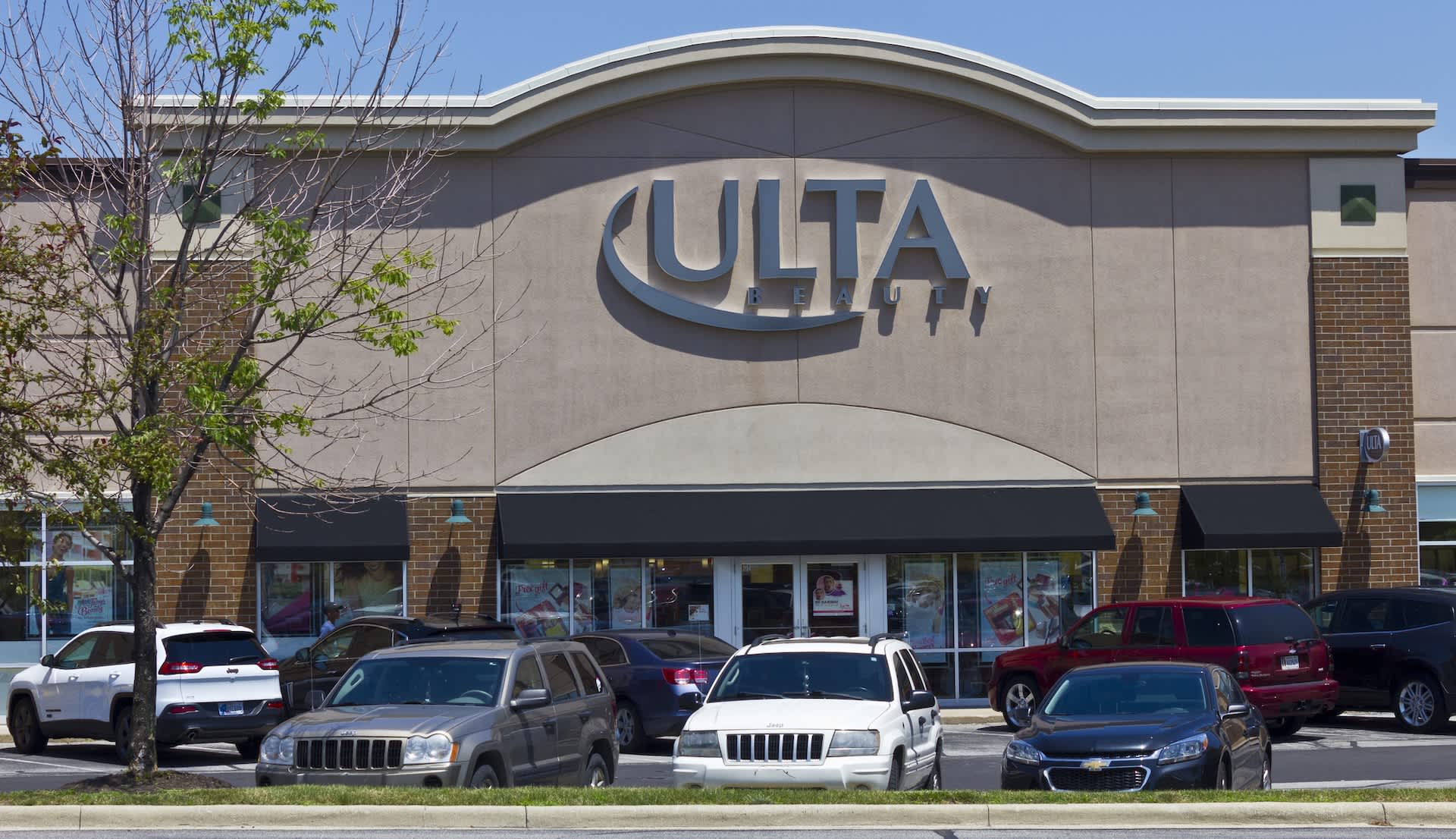
Ulta Beauty launched its Conscious Beauty program, which emphasizes transparency and accountability in product ingredient sourcing. Nevertheless, a recent class-action lawsuit has emerged, challenging the validity of their clean beauty claims. Filed in California, the lawsuit alleges that certain products under the Conscious Beauty banner contain ingredients that should be banned.
As the plaintiff, Margaret Garvey claims that consumers, including herself, suffered financial injuries due to misleading advertising regarding product safety. In response, Ulta Beauty maintains their commitment to transparency and insists they provide clear information about their Conscious Beauty criteria.
Why Clean Beauty Matters
The Made Without List, introduced in 2020, outlines five key criteria for brands to qualify as clean: cruelty-free, vegan, sustainable packaging, positive impact, and clean ingredients. Products containing harmful substances, such as parabens, sulfates, and PFAS (often referred to as “forever chemicals”), are excluded. These chemicals can contribute to environmental harm and may pose risks to human health.
According to the Environmental Working Group, the average person uses about a dozen beauty and hygiene products daily. This cumulative exposure to potentially harmful chemicals can add up quickly, making it crucial for consumers to be aware of what they are using on their skin and in their bodies.
Addressing the Class-Action Lawsuit
Consumers eligible for the class-action lawsuit can opt to participate as claims unfold. However, the situation serves as an important reminder for individuals: knowledge is power. Educating yourself about the ingredients found in personal care products is key to making informed choices.
Ulta Beauty has expressed pride in the progress made since launching its Conscious Beauty initiative and reaffirmed its dedication to transparency and improvement in the beauty sector.
Practical Tips for Navigating Clean Beauty
-
Do Your Research: Educate yourself about common harmful ingredients and familiarize yourself with clean beauty standards. Websites like the Environmental Working Group can be excellent resources.
-
Read Product Labels: Always check labels for the Made Without List ingredients. When shopping, don’t hesitate to ask for information about products’ sourcing and formulation.
-
Seek Guidance: Use tools and apps designed to help you analyze beauty products. Consider joining online communities where you can share experiences and tips with like-minded individuals.
-
Keep It Minimal: Simplify your routine by using fewer, higher-quality products rather than a multitude of items loaded with questionable ingredients.
-
Trust your Instincts: If a product claims to be clean but raises suspicions, don’t hesitate to look for alternatives. It’s essential to listen to your intuition about brands and formulations.
Conclusion
The clean beauty movement is evolving, marked by both progress and challenges. As consumers, we hold the power to demand transparency and prioritize safer ingredients in our beauty products. By remaining informed and vigilant, we can navigate the complexities of clean beauty and make choices that align with our values. Remember, every small step you take in this journey contributes to a healthier you and a more sustainable world.