

Historically, the largest meal of the day has been dinner. However, this notion has evolved. In centuries past, dinner was typically served by the early afternoon, often around 2 p.m., and was followed by a lighter meal known as supper. While the terminology around mealtime has changed over the years, research indicates that the optimal time to enjoy your largest meal remains unchanged. Dr. Kezia Joy, a registered dietitian-nutritionist and a medical advisor at Welzo, elucidates the science supporting the idea that lunch should be your most substantial meal.
According to Dr. Joy, “Consuming meals earlier in the day, such as breakfast or lunch, is often more beneficial for a higher calorie intake since the body’s metabolism typically peaks in the morning.” This phenomenon is attributed to the body’s intrinsic circadian rhythm, a built-in clock that coordinates various functions in alignment with the natural cycle of light and dark, ultimately influencing our metabolic activity. The metabolism is more active in the morning and gradually decreases as day turns to night.
Dr. Joy further emphasizes that having larger meals earlier in the day not only enables more effective nutrient absorption for energy but also diminishes evening hunger pangs, thereby reducing the likelihood of late-night snacking driven by emotions such as stress or boredom. Research supports the notion that those who consume the majority of their calories at lunch generally have a lower body mass index (BMI) and a reduced risk of obesity compared to those who tend to eat more substantial meals at dinner.
A Big Balanced Lunch Brings All-Day Energy
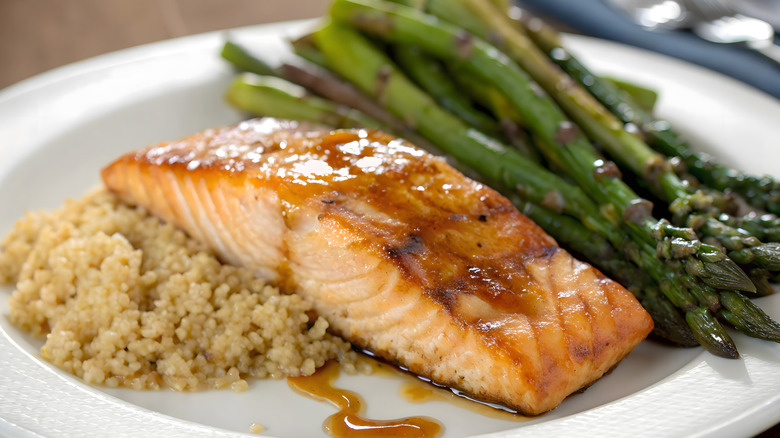
Consuming lunch regularly brings numerous health benefits. Dr. Kezia Joy underscores that “a balanced lunch can provide enduring energy throughout the day.” This balance helps to avoid the dreaded afternoon slump, reducing cravings for quick fixes like caffeine or sugary snacks.
So, what constitutes a balanced lunch? It is vital to incorporate a good amount of protein, such as fish, chicken, beef, or plant-based legumes; include healthy fats from sources like olive oil, nuts, or seeds; and focus on a wide variety of fiber-rich carbohydrates like fruits, vegetables, and whole grains. These macronutrients work in concert to prolong digestion, stabilize blood sugar levels, and ensure an optimal feeling of fullness and energy.
This balanced approach can manifest in various delicious ways, such as a simple salmon dish paired with seasoned roasted veggies and quinoa, or lentils incorporated into yellow cauliflower curry served with brown rice. Even Chipotle’s returned fan-favorite protein, al pastor chicken in tacos with vegetables and guacamole provides a commendable balance of proteins, healthy fats, and fiber.