Creatine has demonstrated encouraging outcomes in a pilot study involving Alzheimer’s patients, a perspective shared by an expert on The Diary of a CEO podcast with Steven Bartlett.

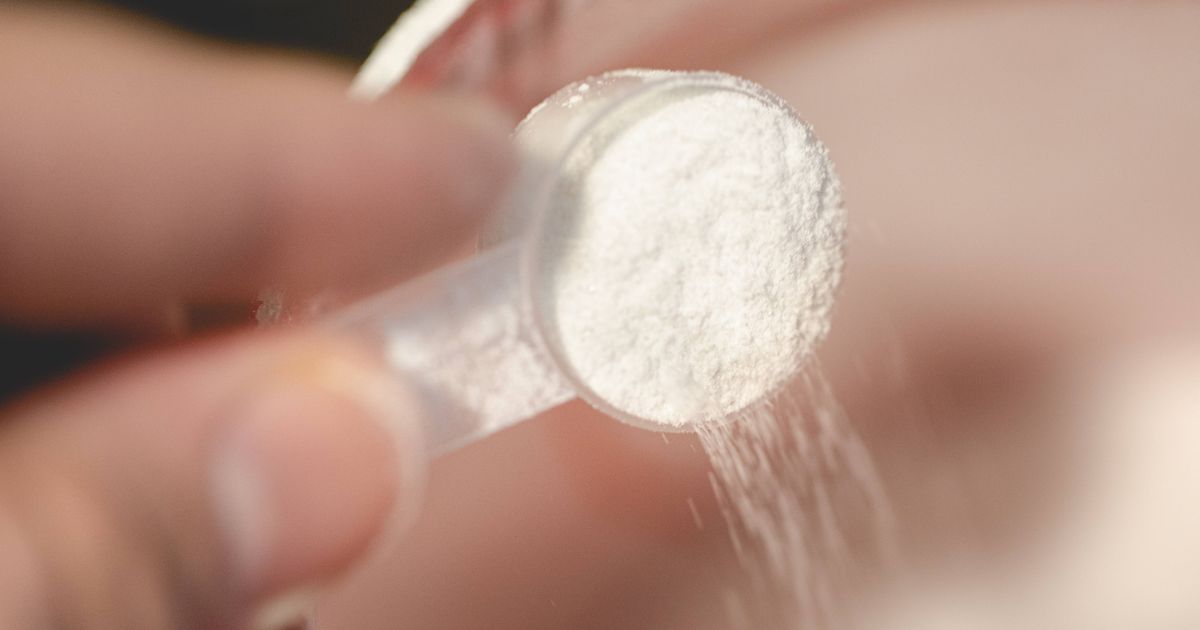
Creatine, a food supplement that could have some hidden super powers(Image: Rmcarvalho via Getty Images)
A gym favorite may provide new hope for countless individuals facing Alzheimer’s disease, according to research by scientists and neurophysiologists. Creatine, a well-known supplement often associated solely with bodybuilders, is now gaining attention for its potential benefits for cognitive health.
Louisa Nichola, a neurophysiologist and human performance coach, advocated for the advantages of creatine during her guest appearance on The Diary of a CEO podcast earlier this February. She shared with Steven Bartlett her belief in its substantial benefits, noting that she personally advises her 71-year-old parents to use it for their physical and neurophysiological wellbeing.
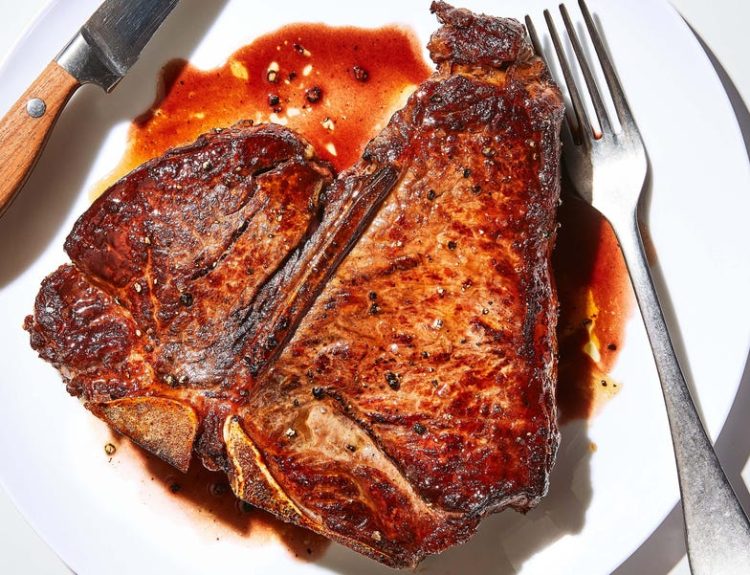
Creatine is a naturally occurring molecule produced in the liver, and it can also be found in various foods like red meat and fish. However, supplementation can elevate levels beyond what typical diets provide, researchers suggest.
The well-known advantages of supplementation include enhanced cellular energy due to increased phosphocreatine levels, which helps regenerate ATP, the primary energy molecule for the body—benefitting both muscle and brain cells.
Verywell Health asserts that while creatine is well-regarded for improving muscle performance, it can also elevate brain creatine levels by up to 15% and may enhance cognitive function, especially when under stress.
An eight-week pilot study published in Alzheimer’s & Dementia: Translational Research & Clinical Interventions in May 2025 revealed that Alzheimer’s patients who took 20 grams of creatine monohydrate daily saw an 11% increase in overall brain creatine levels.
This increase correlated with significant improvements in cognitive functions, including working memory, attention, and executive function. Participants exhibited enhanced performance in cognitive assessments, such as sorting and reading tasks, following the supplementation.
Nichola commented, “These patients not only maintained their cognitive functions, but they also experienced higher energy levels and were able to engage in more physical activity. Creatine can protect your brain from concussions, strokes, and stress.”
Researchers noted high compliance and significant biochemical changes, implying that creatine may support brain energy metabolism, often disrupted in Alzheimer’s.
Nevertheless, experts caution that these findings are preliminary, and Dr. Oracle warns there is insufficient evidence to endorse creatine as a definitive solution for dementia or cognitive decline.
Research from PubMed indicates that creatine helps maintain energy balance in neurons, potentially mitigating neuroinflammation and oxidative stress—both critical factors in Alzheimer’s disease.
While creatine should not replace established treatments for Alzheimer’s, growing evidence suggests this affordable supplement may enhance brain health and could eventually play a role in broader therapeutic strategies.