In recent years, NAD+ supplements have gained attention due to claims suggesting they can reverse aging and maintain youthful skin. NAD+ is a coenzyme produced naturally in the body, but its levels diminish with age. Are these supplements as beneficial as some wellness influencers claim? To better understand the science behind NAD+ and its supplements, we consulted medical experts on this trending topic.
Here’s what we learned about the role of NAD+, its potential benefits, and the implications of supplementation.
What is NAD+, and how is it different from NADH?
NAD+ (nicotinamide adenine dinucleotide) is a coenzyme present in all living cells. According to Dr. Konstantin Vasyukevich, a facial plastic surgeon from New York, it plays a crucial role in energy production, DNA repair, and regulating circadian rhythms.
“NAD+ is also vital for the function of sirtuins, proteins that help manage cell survival and aging,” notes Nayan Patel, a doctor of pharmacy and founder of Auro Wellness. It’s important to distinguish between NAD+ and its reduced form, NADH; the former is oxidized and carries an extra electron, while NADH is created when NAD+ loses that electron.
Is NAD+ just vitamin B3?
While NAD+ is naturally produced by the body, its levels decline with age, leading to issues like fatigue and skin aging, according to Vasyukevich. Taking NAD+ supplements can be beneficial, and so can vitamin B3 supplements since the body converts vitamin B3 into NAD+.
NAD+ benefits
The primary advantage of NAD+ and its supplements is their ability to boost energy. Research, including a 2023 study, indicates that NAD+ supports weight management and metabolic balance.
“NAD+ is capable of several beneficial functions,” states Vasyukevich. “It aids skin health by promoting DNA repair and combating oxidative stress, a significant contributor to skin aging. Additionally, it enhances cellular energy production by increasing ATP levels.”
NAD+ can boost energy, promote skin health, and more.
NAD+ side effects
Dr. Jonathan Jennings, a board-certified internist with Medical Offices of Manhattan, mentions that while NAD+ supplements are generally considered safe, one should always consult with a healthcare provider before starting any new supplement regimen. This caution is particularly important since the FDA does not regulate supplements.
“Most evidence supports the safety of these supplements for most individuals, although side effects can vary based on the method of supplementation,” Jennings explains. “Common side effects include abdominal pain, nausea, dizziness, and flushing.”
Vasyukevich mentions that another frequent side effect is disrupted sleep patterns, especially if the supplement is taken too late in the day. This issue can often be fixed by adjusting the timing of ingestion.
Both doctors advise discussing any side effects with your healthcare provider. If side effects occur, discontinue use immediately, as they may indicate interactions with other medications or potential allergies.
Who should avoid NAD+ supplements?
Though NAD+ supplements are generally safe, Jennings emphasizes that they may not be suitable for everyone. “Consulting a healthcare professional prior to using supplements is essential, particularly for pregnant women and children,” he advises.
Patel also suggests that nursing individuals avoid NAD+ supplements due to inadequate research in this area. He cautions that anyone considering the supplement should discuss it with their physician, especially if they are on specific medications or have particular health issues.
A 2020 study indicated that NAD+ supplements could adversely affect individuals with existing liver or kidney conditions due to their metabolic processing. “Factors such as age, genetics, diet, and health status can affect individual responses to supplementation,” Patel explains.
Always consult your doctor before taking a new supplement.
Do NAD+ supplements actually slow down aging?
Experts agree that these supplements can offer benefits when taken correctly and at recommended doses. However, Vasyukevich warns that they are not a “cure-all” for aging.
“NAD+ supplements can support the body’s repair systems, potentially reducing wrinkles and other aging signs over time,” he explains. “They won’t halt the aging process entirely, but they can promote healthier cellular function, which might slow it down slightly.”
Patel emphasizes that ongoing research is necessary to fully ascertain the effectiveness of these supplements in aging prevention. While some studies indicate they might enhance skin appearance and provide more energy, more clinical trials are still required.
Furthermore, he argues that these supplements should not replace healthy lifestyle choices, which are critical for maintaining vitality as we age. “Regular exercise, balanced nutrition, adequate sleep, and stress management are essential for overall well-being,” he notes, adding that if you do choose to take supplements, opt for high-quality products.
NAD+ supplement dosage
There are various supplementation methods, including oral, nasal, intramuscular, and intravenous options, according to Jennings. Although some studies have looked into how these supplements function in the body, the findings are still limited.
Patel states that both nicotinamide riboside and nicotinamide mononucleotide supplements have been researched and shown to support the aging process, but should be approached cautiously. These NAD+ precursors help boost the body’s production of NAD+.
A 2023 study investigating nicotinamide riboside and nicotinamide mononucleotide oral supplementation showed some improvements in “cardiovascular, metabolic, and physical function” among participants. This study evaluated various groups taking different doses of the supplement over time to determine efficacy and safety.
Ultimately, the correct dosage largely depends on what you and your healthcare provider discuss. Additionally, the supplementation method influences recommended dosages; many pills or nasal options can be taken daily, but your doctor will tailor the advice to fit your needs.
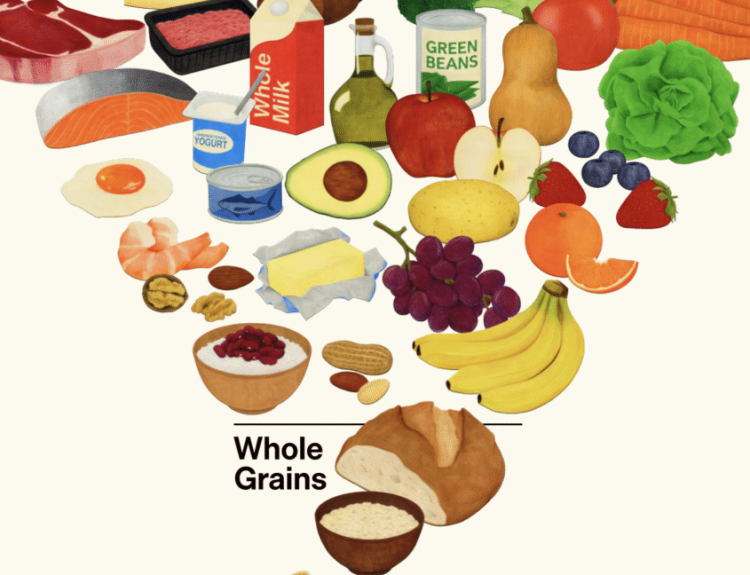
There are specific foods that can naturally enhance your NAD+ levels.
Other ways to increase NAD+ levels
Boosting your NAD+ levels doesn’t solely rely on supplements. Professionals encourage looking for additional methods to enhance your health, as it can increase the effectiveness of the supplements.
“You don’t need to depend solely on supplements. Regular physical activity, intermittent fasting, or even reducing calorie intake can naturally elevate NAD+ levels,” Vasyukevich mentions. Note that any dietary changes should be discussed with your physician.
Patel also highlights that maintaining an active lifestyle and making healthy choices are vital throughout your life, especially as you age. “Exercise has been proven to not only boost NAD+ levels but also stimulate the production of its precursors,” he explains. “Moreover, proper sleep hygiene and effective stress management can positively influence NAD+ levels.”
Your diet significantly affects NAD+ levels as well, particularly if you consume foods high in vitamin B3 and niacin, which are necessary for NAD+ synthesis. Foods rich in these nutrients include:
- Beef
- Broccoli
- Cabbage
- Dairy
- Fish
- Fruit
- Nuts
- Peanuts
- Seeds
- Turkey
- Whole grains
The bottom line
NAD+ levels decline naturally with age, leading to fatigue and skin aging. However, by adopting a healthy lifestyle that includes regular exercise and a diet rich in vitamin B3 and niacin, you can mitigate these effects. Engaging in strength training is also beneficial for overall health as you age. Adding an NAD+ supplement to your routine, under the guidance of a medical professional, may further enhance your NAD+ levels.
While research on NAD+ supplements is still evolving, medical experts advise caution and underscore the need for professional guidance to maximize their benefits for managing aging-related issues.