In Lake County, Florida, an ongoing issue has surfaced regarding sales tax on ready-to-drink coffee beverages. Despite legal exemptions, some convenience stores continue to impose this extra tax, raising concerns among consumers. As people navigate this confusion, it’s essential to understand the implications and recent developments surrounding these charges.
Overview of the Tax Situation
Months after Action 9 first highlighted that major convenience store chains were adding an extra tax on coffee drinks, some retailers still charge this tax despite it being prohibited under Florida law.
“The state cheerfully is taking our money, and there’s no repercussion, there’s no answer, there’s no concern,” stated Paul Olkowski from Lake County.
While some major retailers have ceased the tax, a number of stores still charge it. In November, Action 9 reported that many convenience stores added sales tax on canned and bottled coffee drinks. The key issue is that ready-to-drink coffee is categorized as a food product and is exempt from sales tax; this practice has been ongoing for decades.
Do you have a consumer complaint or need help from Jeff Deal and Action 9? Click the banner below to submit a tip.

For Olkowski, opening a cold can of coffee now brings frustration.
“Well, you know, I enjoyed them a lot more prior to this happening to me,” he remarked to Action 9 Consumer Investigator Jeff Deal.
Understanding the Exemption
Two years ago, Olkowski noticed that his local Walgreens didn’t add sales tax on ready-to-drink coffees, but RaceTrac near Minneola did. After purchasing two cans for $6, he found a charge of 42 cents in tax on his receipt.
Confused by the discrepancy, he reached out to the Florida Department of Revenue, which later confirmed that coffee and coffee substitutes are classified as food products and thus exempt from sales tax in Florida.
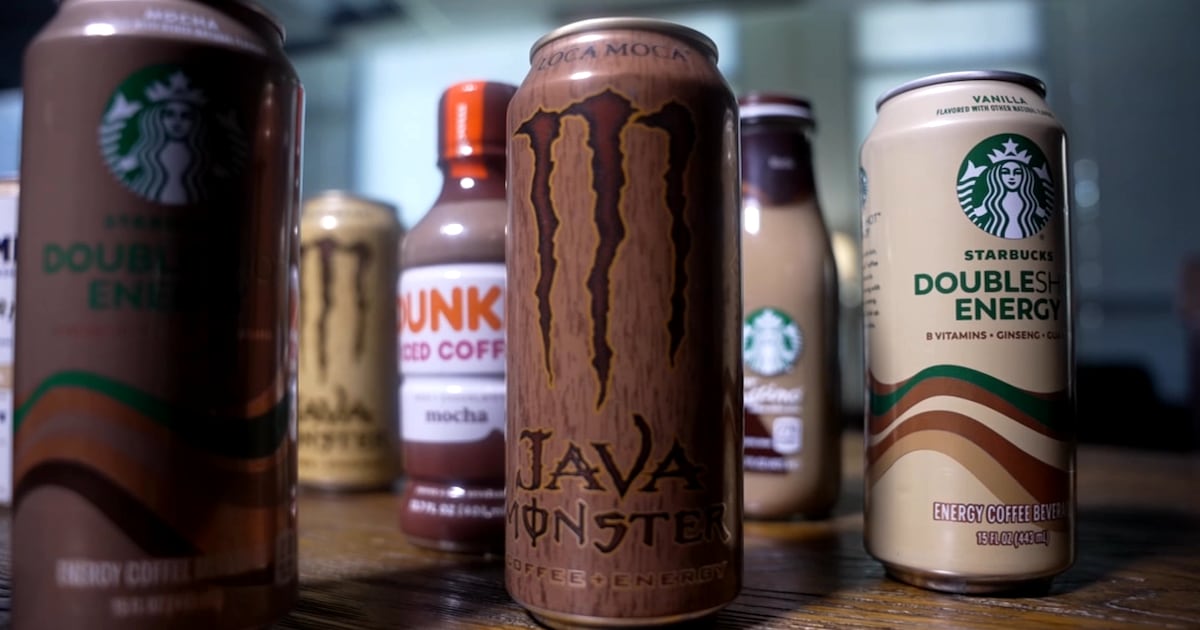
The state provided Action 9 with a letter specifying 44 coffee drinks that should not incur tax at grocery or convenience stores—one of which is Paul’s favorite, Starbucks Double Shot Coffee.
In December 2024, the Florida Department of Revenue’s website shared this list to inform retailers. The state advised that customers seeking refunds for incorrectly charged taxes should return to the seller. However, when Olkowski attempted this in 2024, RaceTrac contacted the Lake County Sheriff’s Office.
Continued Tax Charges
Body camera footage captured a deputy warning Olkowski, “If you return, you’ll be arrested.”
A manager at RaceTrac admitted to law enforcement that “If you go to any gas station, we all charge tax on coffee products.”
By 2025, Action 9 began evaluating convenience stores across Central Florida.
Testing Store Compliance
At an Orlando 7 Eleven, they purchased two bottled Frappuccinos, and another at Cumberland Farms in West Melbourne. They also bought Java Monster drinks at a Circle K store in Clermont and a canned vanilla latte at Wawa in Orlando. All tested convenience stores, apart from RaceTrac which had ceased charging tax, still added sales tax on coffee drinks listed as exempt.
“Nobody would believe me, and nobody seemed to care—neither at the store nor management level,” reflected Olkowski.
In a February 2026 follow-up, Action 9 discovered that Wawa and 7 Eleven locations had stopped imposing the tax, while Circle K continued its practice.
Olkowski noted, “Circle K is actually doubling down.”
After confronting a manager at Circle K about the tax, he was asked to leave the store.
Historical Context
Florida law has distinguished coffee drinks from soft drinks, which are taxable, since 1983—a policy that has been in place for over 40 years. Still, many convenience stores remain unaware of this regulation.
Jeff Deal remarked, “In over 40 years, it’s got to be a lot of money.” Olkowski added, “Oh, there’s hundreds of millions of dollars.”
State Enforcement
When Action 9 inquired with the Florida Department of Revenue about any steps taken since the 2024 advisory to enforce compliance, the response indicated that the sales tax framework relies heavily on voluntary adherence from taxpayers. Specific industries aren’t targeted for enforcement actions.
Despite some stores ceasing to charge the tax following the investigation, Olkowski expressed concern over the lack of accountability for those still not adhering to the law.
“Doesn’t sound like a mistake. It just sounds like nobody cares because the state’s getting the money,” he said.
Retailers who collect sales tax on any items remit that money to the state. Although the Department of Revenue didn’t disclose whether any stores faced penalties, it confirmed that it audits thousands of businesses every year.
Action 9 reached out to Circle K last year and again this year, but has yet to receive an explanation for why the tax is being charged on coffee drinks.
It’s important to note that ready-to-drink coffees purchased at cafes or vending machines are taxable, creating a complicated landscape that may contribute to the confusion among convenience stores.
Consumers can find more information about the tax status of food items through this list from the Florida Department of Revenue: Nontaxable Medical Items and General Grocery List
Steps for Consumers
The Florida Department of Revenue recommends that consumers request a refund directly from the seller. In cases where the seller refuses, the process can become more complex. Customers may ask for an Assignment of Rights Refund of Tax form (Form DR-26A) along with the amount of tax charged by the store. This form and any necessary documentation would then be submitted to the state for a refund. For more detailed instructions, refer to the following links: DOR Instructions for Refund and Assignment of Rights to Refund of Tax form.
RaceTrac has established a dedicated email for customers to request that form: salestaxrefunds@racetrac.com.
Key Takeaways
- Many convenience stores in Florida are still improperly charging sales tax on ready-to-drink coffee beverages.
- Florida law exempts certain coffee products from sales tax, classifying them as food items.
- Action 9’s investigation has led some stores to cease this practice, although others continue to ignore the exemption.
- Consumers can request refunds from stores for incorrectly charged taxes or escalate the issue through the state.
- Colloquially, tax confusion around these beverages may stem from misunderstandings of Florida’s tax regulations.
FAQ
What should I do if I’m charged tax on exempt coffee drinks?
You should request a refund directly from the store. If they refuse, you can ask for an Assignment of Rights Refund of Tax form to submit to the state.
Which coffee products are exempt from sales tax in Florida?
Ready-to-drink coffee beverages are generally categorized as food products and are exempt from sales tax under Florida law.
What action has the Florida Department of Revenue taken?
The Department primarily relies on voluntary compliance from taxpayers and has not enforced specific actions against non-compliant stores.
How can I find out more about tax exemptions on food products?
You can visit the Florida Department of Revenue website for comprehensive lists and details on taxability of various food items.
©2026 Cox Media Group