 The rich history of Cabo San Lucas is intertwined with the struggles of its original inhabitants, the Pericú. These native people faced immense challenges beginning in the 16th century when Hernán Cortés and his Spanish Conquistadores invaded their land. This intrusion was followed by Jesuit missionaries two centuries later, who imposed their beliefs and customs upon the Pericú. Ultimately, the Pericú’s resistance resulted in a decline due to combat and Old World diseases, leaving them culturally extinct by the late 18th century.
In 1842, the arrival of Hatsutaro, a Japanese castaway whose journey is chronicled in the book “Kaigai Ibun,” revealed a Cabo San Lucas that had barely awakened. With only two houses and around twenty residents, the area remained dormant for the following sixty years. However, the early 20th century saw revitalization as the fishing industry thrived, and by the mid-1900s, Cabo San Lucas blossomed into a favored tourist destination, dominated by large-scale developments along its coastline.
This vibrant backdrop is why we find ourselves here on a joyful family vacation. While enjoying our time away, we are dedicated to sharing this experience with you, crafting a narrative for your pleasure.
Today, we’ll step away from our usual discussions on financial matters to present a glimpse into the captivating sights, sounds, and scents that define Cabo San Lucas.
Sunrise and Sunset in Paradise
The beauty of sunrise and sunset in this paradise is truly a sight to behold. As we relaxed by the pool at our hotel yesterday morning, sipping coffee and savoring huevos rancheros, the sky transformed around us. The morning crimson melted into a brilliant golden sun that illuminated the turquoise waters stretching out to the horizon. Small waves lapped gently against the rocks, creating a soothing rhythm as they embraced the soft beach. The remnants of the cool night breeze carried the invigorating scent of saltwater.
A magical encounter unfolds at the meeting point of the Sea of Cortez and the Pacific Ocean. This rugged coastline is adorned with beautiful coves, sandy stretches, and weathered rock formations. The warmer waters of the Sea of Cortez blend harmoniously with the cooler Pacific, producing a rich underwater ecosystem teeming with vibrant tropical fish and intricate rocky reefs.
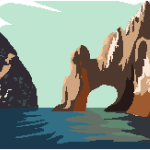
This location marks the end of California’s expansive desert coastline as it descends beneath the waves for the finale. At Lands End, El Arco stands as a final destination for sea lions before the land surrenders completely to the ocean.
As the sun set, painting the sky with stunning hues of red, orange, yellow, and purple, we took a leisurely stroll to the southeastern tip of the marina. The reflections twinkled on the turquoise waters as marlin fishing boats returned with their prized catches, while prehistoric-looking frigatebirds graced the sky around The Arch.
Later, we ventured into town for a delightful Mexican seafood dinner and to explore local handicrafts offered by vendors. Fresh mango slices accompanied our wandering, and we even found a pair of beautiful huarache leather sandals. Tomorrow, we plan to enjoy more of the same magic.
Notes from Cabo San Lucas
As our time here draws to a close, we would like to share a few final observations we’ve jotted down:
Cactus…Spanish…Indian…tourists…boats…fishing…turquoise…silver…marlin…fiestas…music…mangos…pools…sand…sun…sea lions…beaches…scuba…outdoor markets…big smiles…tequila…chili spice…desert…peninsula…pirates…rocks…coastal…golf…and so much more.
Warm regards,
MN Gordon
for Economic Prism