Life expectancy has significantly increased over the decades. In the 1940s, the average lifespan for men was around 54 years, while today it approaches 76 years. Nevertheless, reaching the milestone of 100 years old remains an extraordinary achievement. What might be the secret to attaining such longevity?
One crucial factor is nutrition. For years, researchers studying longevity have advocated for the advantages of a plant-based diet. A recent study published in The American Journal of Clinical Nutrition aims to contribute to this dialogue with a somewhat provocative perspective. Subsequently, MH consulted with dietitians to gather their insights.
What Diet Is Best for Longevity?
The study focused on older adults in China—which ranks third globally for centenarians—who participated in the Chinese Longitudinal Healthy Longevity Survey in 1998. A total of 5,203 adults aged over 80 detailed their diets, which were categorized into omnivores or vegetarians. Vegetarians were further classified based on their dietary preferences: pesco-vegetarians (those who consume fish and seafood), ovo-lacto-vegetarians (who include dairy and eggs), and vegans. Follow-up interviews for the longevity study continued until 2018, allowing researchers to track how many of the participants lived to see their 100th birthday.
Ultimately, 1,459 individuals reached the age of 100. The majority of these centenarians were omnivores, while vegetarians and vegans showed lower occurrences of centenarian status. Researchers attributed this trend to the reduced intake of animal-based products. Interestingly, pesco-vegetarians and ovo-lacto-vegetarians had better odds of reaching 100 compared to those who identified as vegans.
Why You Can’t Ignore Body Weight as a Factor
At first glance, this research may imply that adhering to a vegetarian diet could hinder longevity, seemingly contradicting numerous studies that advocate for the health benefits of a plant-based diet. However, a critical consideration becomes evident upon further examination.
Underweight vegetarians (defined as those with a Body Mass Index under 18.5 kg/m2) were less likely to reach 100 years old, whereas those who maintained a healthy weight (between 18.5 and 24.9 kg/m2) did not show the same trend.
Being underweight in older adulthood can increase health risks, leading to issues such as frailty, a higher incidence of falls, and potentially an earlier death. It appears that body weight played a more crucial role in these findings than the mere presence or absence of meat in one’s diet. “The key takeaway is that maintaining good nutrition is essential,” states Dr. David Cutler, a family medicine specialist at Providence Saint John’s Health Center.
Redefining the Role of Protein in Longevity
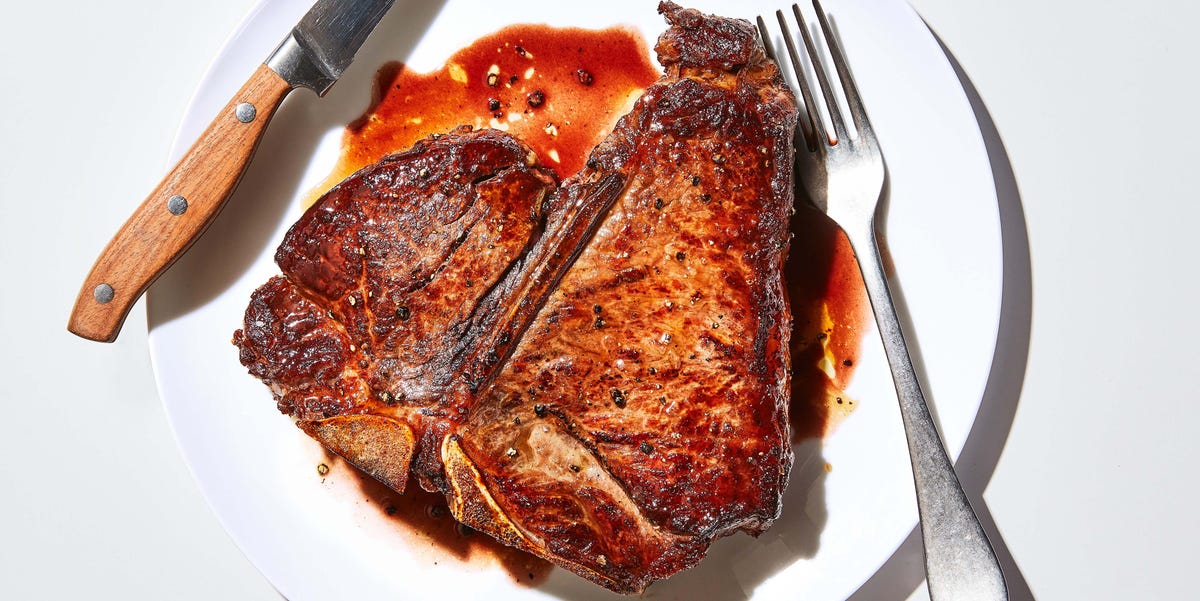
While the study offers valuable insights, the question remains: can including animal proteins improve your chances of reaching 100? The answer is nuanced and requires more than a binary response. Dietitians suggest that incorporating some meat into your diet is beneficial, particularly as one ages.
Meat consumption can provide essential nutrients, including protein, vitamins B6 and B12, zinc, and omega-3 fatty acids, according to nutritionist and registered dietitian Dr. Sonya Angelone. She notes that meat typically contains more calories than plant-based foods, which can help older adults maintain their weight as they age.
“As we age, our ability to digest and absorb nutrients declines, so it becomes critical to ensure that older adults consume nutrient-dense foods—those that maximize nutrient content within limited calories,” advises Angelone. Proteins such as fish and chicken fit this criterion well.
For individuals already experiencing a protein or calorie deficit, further dietary restrictions, such as eliminating animal protein, may be counterproductive, according to Scott Keatley, RD, co-owner of Keatley Medical Nutrition Therapy. He emphasizes that while plant-based diets have their advantages, individual needs vary.
What Experts Recommend Eating for Living Longer
When considering a longevity diet, Keatley argues for a shift in perspective. “Diets promoting longevity typically emphasize a high intake of plants, while also accommodating nutrient-rich animal foods, especially for older adults,” he explains.
Regardless of dietary preferences, a balanced meal plan should encompass adequate protein, fiber, and healthy fats in each meal. “If you’re underweight or over 70, don’t hesitate to include eggs, fish, dairy, or lean meats for support,” Keatley advises. Additionally, he emphasizes limiting highly processed foods as much as possible.
Most importantly, Dr. Cutler encourages individuals to embrace a varied, nutrient-rich diet. “You can achieve optimal nutrition with or without meat in your diet,” he affirms.
Korin Miller is a freelance writer focusing on wellness, sexual health, relationships, and lifestyle trends. Her work has been featured in Men’s Health, Women’s Health, Self, Glamour, and others. Holding a master’s degree from American University, she resides near the beach and dreams of owning a teacup pig and a taco truck.