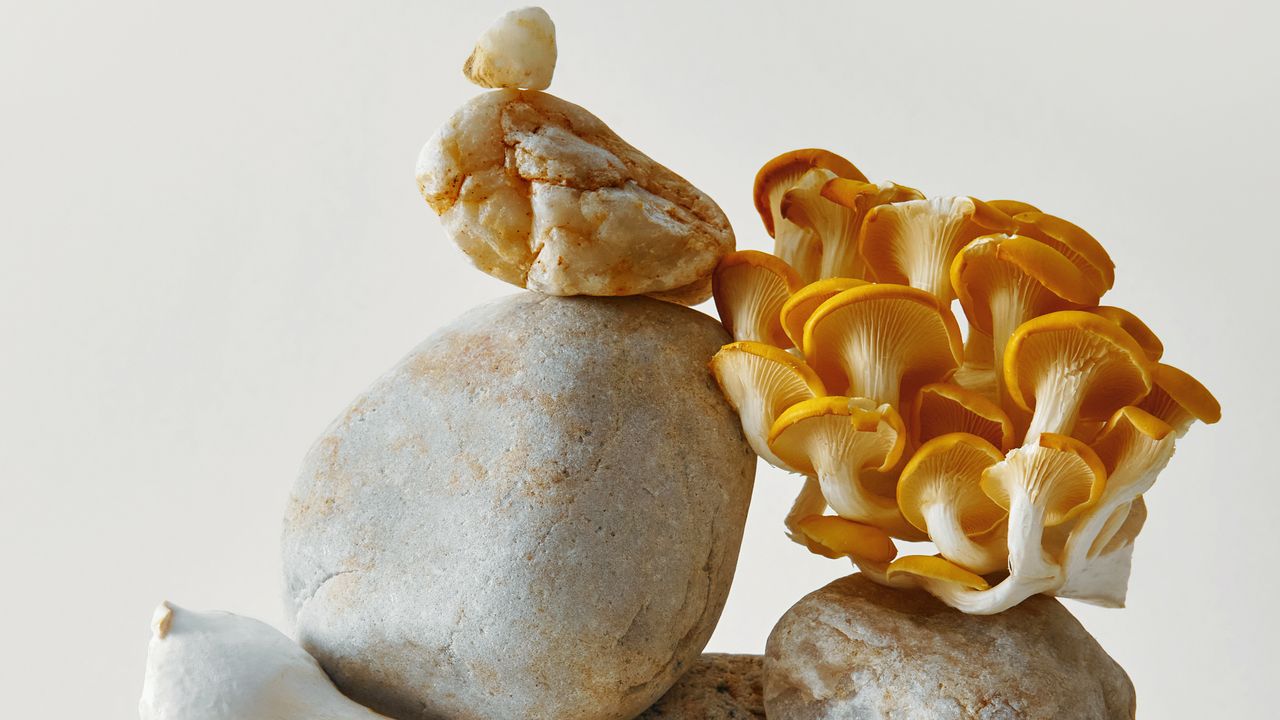
Before my journey into healthy eating began, I viewed mushrooms as mere garnishes—an embellishment for risotto or a topping on pizza. That perspective shifted dramatically when I learned from integrative health and nutrition coach Karen Cummings-Palmer that mushrooms should actually be a staple in our daily diet.
Every day? At first, that seemed a bit much, but my curiosity was piqued. What I found was transformative. These incredible fungi are not only packed with beneficial nutrients but also contain rare vitamins often missing from the plant world, such as vitamin D, along with vital minerals like selenium and potassium. Moreover, their antioxidant properties contribute to cellular longevity.
It’s clear that incorporating mushrooms into our daily meals can enhance our health, hair, and skin. Plus, they add a rich umami flavor and hearty texture to a variety of dishes. Below, we explore the compelling reasons to make mushrooms a regular part of your diet.
What are mushrooms, anyway?
Mushrooms don’t fall into the category of vegetables or fruits; they belong to a unique group known as fungi. Unlike plants, they lack leaves, flowers, and seeds, and do not rely on sunlight for photosynthesis. Instead, mushrooms thrive by consuming decomposed organic matter, metabolizing nutrients from the soil.
These fungi come in a stunning array of shapes and colors but share common structural components: a hidden underground network known as mycelium that absorbs nutrients and the visible fruiting body that we typically see above ground. While they are rich in protein, mushrooms offer much more than just that.
There are numerous categories of mushrooms, including edible, medicinal, functional, parasitic, poisonous, and the intriguing “magical” varieties. While well-known functional mushrooms like Chaga, Reishi, and Cordyceps often take center stage in wellness discussions, everyday edible options such as button, porcini, chanterelle, maitake, shiitake, portobello, crimini, and oyster types also boast their own health benefits. (Fun fact: Lion’s Mane mushrooms fall into both the functional and edible categories.)
“Functional mushrooms might have a stronger impact, but even the typical varieties are fantastic sources of selenium, B vitamins, and beta-glucans,” explains Cummings-Palmer. “These beta-glucans promote gut health, boost the immune system, and can even help improve skin conditions like eczema. Plus, mushrooms are incredibly versatile and can absorb vitamin D akin to our skin. To enhance your vitamin D intake, simply sit sliced mushrooms in sunlight for about an hour.”
How many mushrooms should I eat per day?
A typical serving of mushrooms is around 3 ounces, or 84 grams of raw mushrooms. Even a small daily portion can yield significant health benefits. Keep in mind that nutrient content varies depending on the species, with button, cremini, and portobello (Agaricus bisporus) being the most commonly referenced in nutrition data.
Generally, most edible mushrooms are safe for most people. However, pregnant individuals are advised to avoid consuming raw mushrooms. If you have liver, kidney, or intestinal issues, it’s wise to consult a healthcare professional. Additionally, be cautious if you have allergies to yeast or mold.
10 reasons to eat mushrooms every day
1. Rich in antioxidants
Mushrooms are an excellent source of antioxidants—including vitamin C, polyphenols, and beta-glucans—that help combat free radicals and protect against disease. They also contain ergothioneine, an amino acid that promotes cellular regeneration and collagen production, becoming a popular ingredient in skincare. Plus, they’re abundant in glutathione, heralded as the “king of antioxidants” for its role in detoxifying the liver and combating oxidative stress.
2. Immune system support
Mushrooms are packed with immune-boosting antioxidants that can help fend off seasonal illnesses, making them ideal for fall and winter. Their beta-glucans are shown to activate crucial immune cells and reinforce the body’s defenses. Adding a handful of mushrooms—dried or fresh—to your soup can create a warming, anti-inflammatory boost.
3. Many B vitamins
Mushrooms serve as a solid source of B vitamins, with one serving providing up to 20% of your daily needs, including biotin (B7), niacin (B3), and pantothenic acid (B5). These nutrients play vital roles in energy metabolism, skin health, and cellular functionality. Certain varieties also contain small amounts of vitamin B12, crucial for brain and nervous system health, particularly in vegan diets.
4. High in vitamin D
Similar to our skin, mushrooms can generate vitamin D when exposed to sunlight. Leaving them in the sun for even 15 to 30 minutes can significantly boost their vitamin D content, transforming them into a rare plant source of this vital nutrient that supports bone, muscle, and immune health while also contributing to mood regulation.
5. Brain-boosting benefits
Mushrooms may promote cognitive health as we age. A study from Singapore demonstrated that adults consuming more than two cups of mushrooms weekly had around a 50% lower risk of developing mild cognitive impairment (MCI), a precursor to conditions like Alzheimer’s disease.
6. Hydrating
Low in calories yet high in flavor, mushrooms are a great option for those looking to maintain a healthy weight. They typically contain about 25-30 calories per 3.5 ounces (100 grams). Fresh porcini, for example, are around 26 calories per 3.5 ounces. Additionally, they are low in sodium, fat, and sugar, and consist of nearly 90% water, making them both hydrating and satisfying.
7. Fiber and protein
Mushrooms are rich in beta-glucans, a soluble fiber linked to lower cholesterol levels, enhanced heart health, and better blood sugar regulation. They also provide modest protein content—approximately 4 grams per 3.5 ounces (100 grams)—which explains their prevalence in veggie burgers and as meat substitutes in soups, stir-fries, and stews.
8. Essential minerals
Mushrooms offer essential minerals such as potassium for heart, muscle, and nerve function; phosphorus and calcium for bone health; and iron and sulfur for cellular operations. They are particularly known for selenium, which supports thyroid and immune health, along with copper, essential for oxygen transport and the synthesis of collagen, elastin, and keratin, crucial for healthy skin, hair, and nails.
9. Heart health
The antioxidant and anti-inflammatory compounds in mushrooms—like beta-glucans that are linked to lower LDL cholesterol and ergothioneine associated with heart protection—can aid in reducing cardiovascular risk and enhancing overall heart health.
10. Gut health
The polysaccharides contained in mushrooms act as prebiotics, nourishing beneficial gut bacteria and help maintain a healthy microbiome. By simply adding a handful of even basic store-bought mushrooms to salads, eggs, or grain dishes, you can enhance your cardiac, immune, and digestive health, resulting in better skin, hair, and nail conditions. When these systems thrive, so does overall well-being.