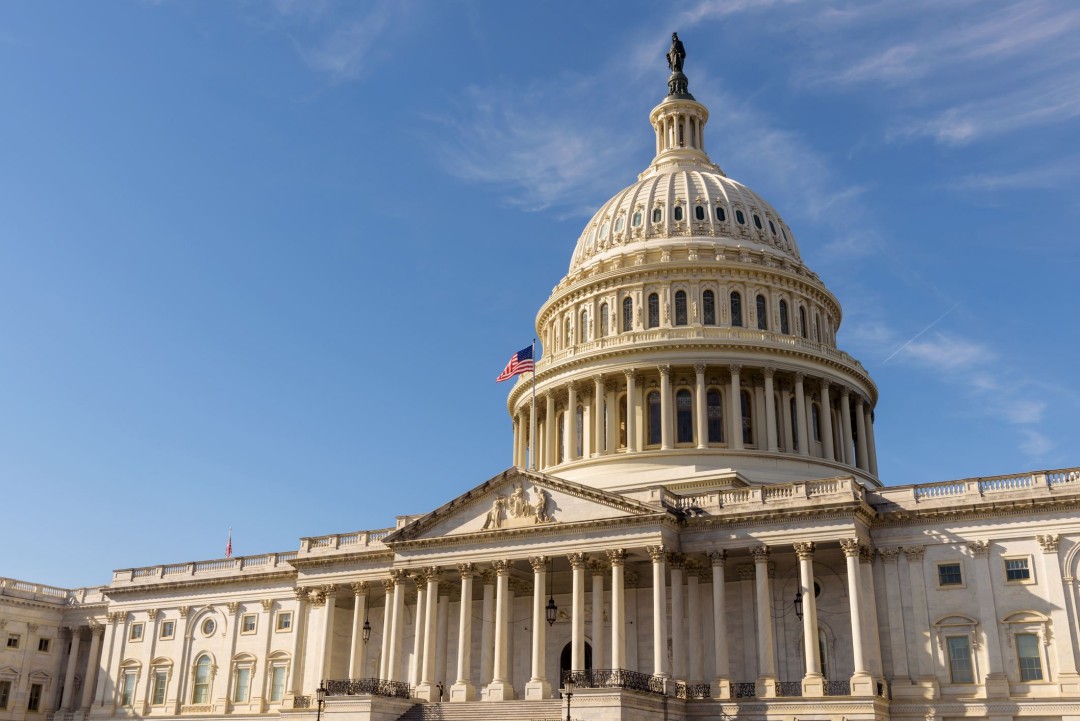
The latest findings from Transparency International reveal concerning trends in global corruption perception, particularly highlighting the United States’ unprecedented decline. As the Corruption Perceptions Index (CPI) is released annually, it provides vital insights into public-sector corruption as viewed by experts and business leaders worldwide.
Transparency International’s annual global corruption index is out, and the United States has landed at its lowest spot on the list since the index relaunched using new scoring methodology in 2012. The US fell one place, to No. 29 out of 182 nations in the group’s latest Corruption Perceptions Index, which measures views of public-sector corruption among experts and business leaders, per CNN. The US now sits alongside the Bahamas, trailing such countries as Lithuania (No. 28), the United Arab Emirates (21), and Uruguay (17).
The US score also fell to a record low: 64 out of 100, where higher numbers indicate cleaner public sectors. That continues a decade-long slide that Transparency International links to weakened anti-corruption enforcement and political interference in institutions. The group cited a pause in corporate foreign-bribery probes, reduced enforcement of foreign-agent registration rules, and a “temporary freeze and weakening of enforcement” of the Foreign Corrupt Practices Act as signals of growing tolerance for questionable practices. The watchdog also flagged broader concerns about actions it says have gone after independent voices, chipped away at judicial independence, and slashed US funding for civil society groups abroad.
“We are very concerned about the situation in the United States,” Transparency International CEO Maira Martini says, warning that the downward trend “might continue.” Forbes notes that the current rankings don’t even include anything that happened at the end of last year and early this year, a “particularly chaotic time” for policies of the Trump administration. The deterioration in the US mirrors what Transparency International describes as a “worrying decline” across other long-standing democracies, including Canada and the UK, per CNN. Britain recorded its lowest score on record, 70, after its own decade of erosion, though it held 20th place.
Overall, the global average CPI score dropped to 42—its weakest level and first decline in more than 10 years. Denmark again ranked as the perceived cleanest public sector, followed by Finland and Singapore, though Transparency International stressed that strong public-sector scores in those nations don’t necessarily mean corruption is low in the private sector, noting scrutiny of financial practices in places like Switzerland and Singapore. South Sudan brings up the rear of the list.
Key Takeaways
- The US ranks 29th out of 182 countries in the 2025 Corruption Perceptions Index.
- Its CPI score fell to a record low of 64 out of 100.
- This decline is attributed to weakened enforcement of anti-corruption measures.
- Notable democracies like Canada and the UK also reported declines in their scores.
- The global average CPI score has dropped to 42, marking a decade’s low.
FAQ
What is the Corruption Perceptions Index?
The Corruption Perceptions Index (CPI) measures public sector corruption as perceived by experts and business leaders worldwide.
How does the US rank in the 2025 CPI?
The United States ranks 29th out of 182 countries in the 2025 CPI, reflecting a notable decline in perception of its public sector integrity.
What factors contributed to the US decline in the CPI?
Factors include weakened anti-corruption enforcement, political interference, and a pause in foreign-bribery investigations.
Which countries have the highest perceived cleanliness?
Denmark, Finland, and Singapore are noted for having the cleanest perceived public sectors in the index.
What does the declining global average CPI score indicate?
The decline signals increased concern regarding corruption across many nations, marking a trend that began over a decade ago.
The findings from Transparency International raise critical questions about governance and integrity across many democracies, including the United States. Addressing these issues will require concerted efforts from both policymakers and civil society.