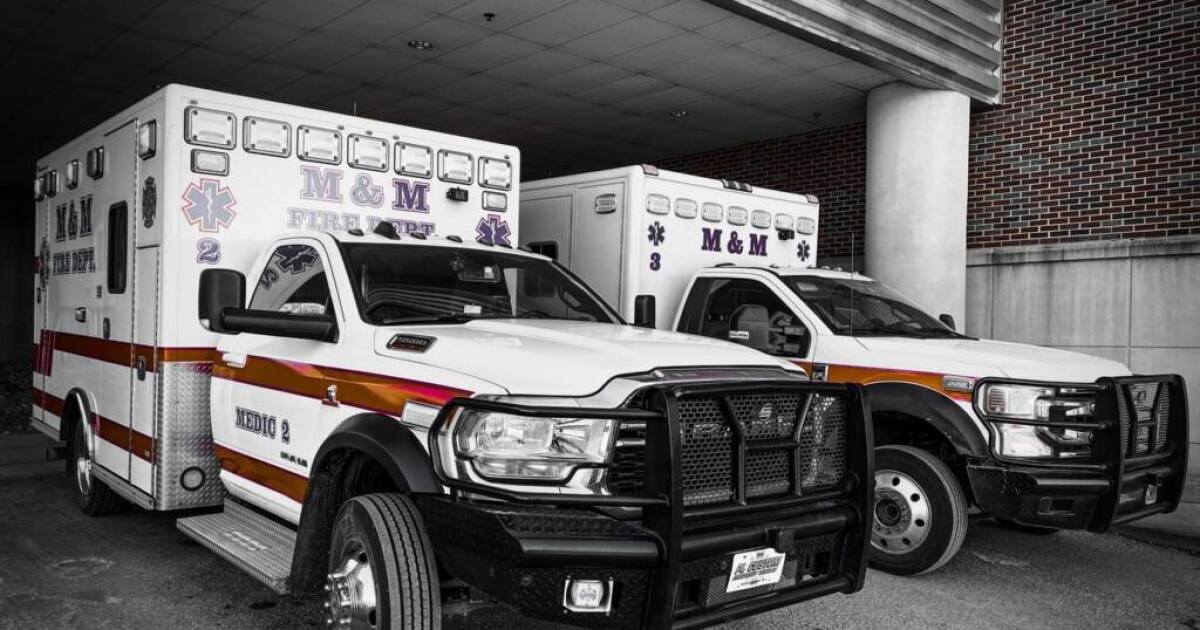
The Malta and McConnelsville Fire Department, located in southeastern Ohio, operates in a predominantly rural area where the nearest trauma center is at least an hour’s journey from their service zone. This geographical challenge underscores the vital role paramedics and first responders play in ensuring timely medical care.
Joshua Tilton, the department’s former chief clinical officer, understands this necessity keenly, having spent years as a paramedic and EMS instructor. As he embarks on defending his thesis for a doctorate in artificial intelligence, he reflects on his transformative work with the fire department.
Over the past year, Tilton collaborated with the Malta and McConnelsville Fire Department to implement an AI system aimed at enhancing patient outcomes. The results, he asserts, have been remarkable.
How the AI Tool Works
The tool, known as Artificial Intelligence Quality Assurance, analyzes data from emergency runs to highlight areas for individual paramedics and EMTs to improve their performance. Based on this analysis, it customizes short training sessions for each practitioner, empowering them to offer superior care in the future.
“This doesn’t imply that they were providing poor care,” Tilton clarifies. “Instead, it identifies areas for enhancement, ensuring that continuing education is targeted towards those specific needs.”

Malta-McConnelsville Fire Department
/
The Program’s Impact
In the early stages, Tilton observed that the program pinpointed chest pain as an area needing attention. “As a paramedic with over 20 years of experience, I initially doubted the data,” he admitted, noting that paramedics invest extensive time studying cardiology.
However, after repeatedly reviewing the data and achieving consistent results, the team committed to enhancing their training, focusing on recognizing atypical heart attack symptoms such as back, shoulder, and stomach pain.
“This rigorous focus on cardiac training yielded direct outcomes,” he explained. “We witnessed a significant spike in treatment, validating the effectiveness of our new approach.”
During the six-month testing period of the AI tool, Tilton reported a drastic improvement in patient treatment. “We were fortunate to see already exceptional care become even better, benefiting our community as a whole,” he added.
What’s Next?
Tilton is optimistic that the AI tool could influence fire departments across the country; however, he acknowledges that budgets often pose a significant barrier.
“I appreciate the careful scrutiny with which taxpayer money is spent, but implementing closed machine learning models requires monetary investment.”
Unlike open models, closed machine learning systems keep data secure, safeguarding private health information—a critical aspect of this initiative.
Tilton firmly believes in the value of this investment. “I can’t fathom how any organization could afford to overlook such advancements, especially when they’re readily available today,” he remarked.
In conclusion, the collaboration between advanced technology and dedicated professionals in the Malta and McConnelsville Fire Department has resulted in significant improvements in patient care. As they continue to develop and refine their AI tools, there’s hope that a wider implementation could revolutionize emergency medical services across the nation.