The NHS Recommends Vitamin D Supplements for Autumn and Winter

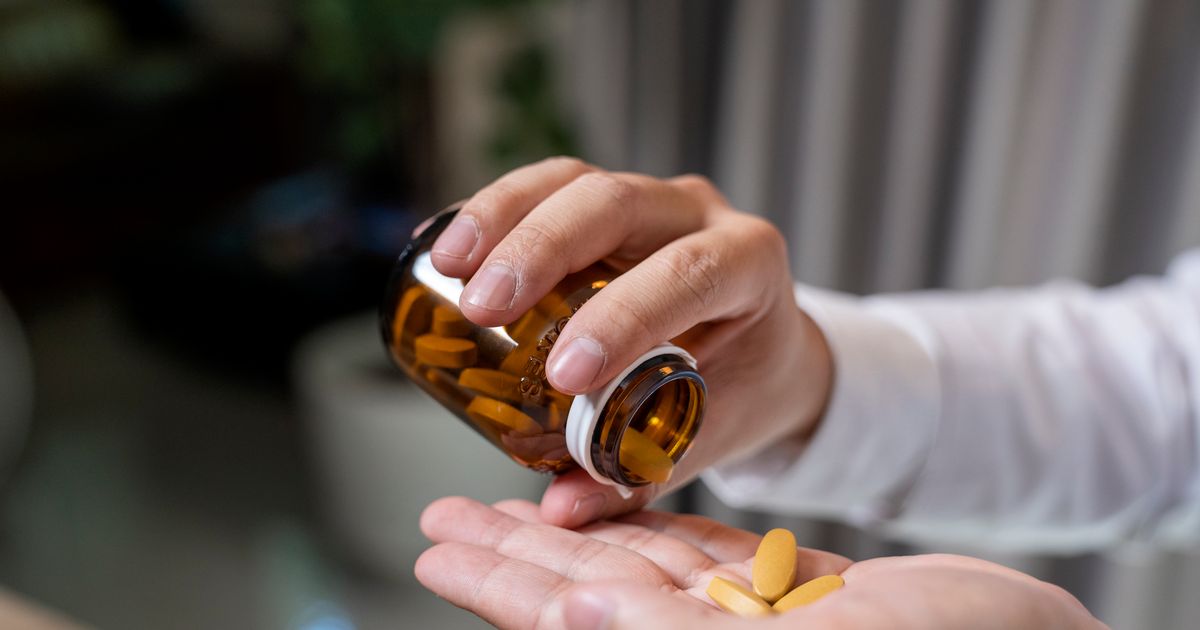
The NHS warns that excessive long-term intake of vitamin D can lead to serious health issues.(Image: Getty Images)
The NHS has issued a caution regarding vitamin D supplementation, highlighting that excessive intake over extended periods can lead to dangerous conditions affecting the heart and kidneys.
Health professionals recommend vitamin D supplements, especially during autumn and winter when sunlight in the UK is inadequate. The NHS states: “From October to March, we can’t produce enough vitamin D from sunlight.”
“To maintain healthy bones and muscles, it is advisable to take a daily supplement of 10 micrograms of vitamin D. These supplements are readily available at most pharmacies and retailers.”
Vitamin D tablets are not only affordable—some costing under 2 pence per day—but they’ve also been associated with improved brain health. A study in France found that individuals with vitamin D levels below 50 nmol/L were nearly three times as likely to develop Alzheimer’s disease.
Government recommendations suggest that everyone consider taking a daily supplement during the colder months. Individuals at greater risk of deficiency, such as all children aged one to four, and infants consuming less than 500ml of infant formula a day, are encouraged to take supplements year-round.
However, both pharmacists and the NHS emphasize that excessive vitamin D can be harmful. The health service warns: “Prolonged intake of high levels of vitamin D can lead to excessive calcium build-up in the body (hypercalcaemia), which can weaken bones and damage the kidneys and heart.”
The NHS sets specific guidelines for safe intake. It advises: “For most individuals, a daily dosage of 10 micrograms is sufficient. Do not exceed 100 micrograms (4,000 IU) per day, as higher amounts could pose health risks. This applies to adults, including pregnant and breastfeeding women, as well as the elderly and children aged 11 to 17 years.”
“Children aged 1 to 10 years should take no more than 50 micrograms (2,000 IU) daily, while infants under 12 months should not exceed 25 micrograms (1,000 IU) per day.”
The NHS also points out that certain individuals may require personalized advice: “Some medical conditions may limit the safe amount of vitamin D one can take. If you’re uncertain, consult your doctor.”
“You cannot overdose on vitamin D through sunlight exposure. However, it is crucial to cover and protect your skin during prolonged exposure to prevent skin damage and reduce the risk of skin cancer.”
Vitamin D is essential for regulating calcium and phosphate levels in the body. According to the NHS, “Vitamin D plays a vital role in maintaining calcium and phosphate levels, necessary for the health of bones, teeth, and muscles.” A deficiency in vitamin D can result in bone deformities like rickets in children and bone pain related to osteomalacia in adults.
The late broadcaster and health advocate, Dr. Michael Mosley, who passed away in 2024, was a proponent of vitamin D supplementation.
He stated: “I take 25 mcg (1,000 IU), which falls within the safe limits (anything under 100 mcg a day for adults or 50 mcg for children, according to the NHS), but is closer to the doses shown in studies to help prevent infections, cancers, and possibly even dementia.”
For more information on NHS guidance about vitamin D, click here.