DEE-ANN DURBIN, Associated Press

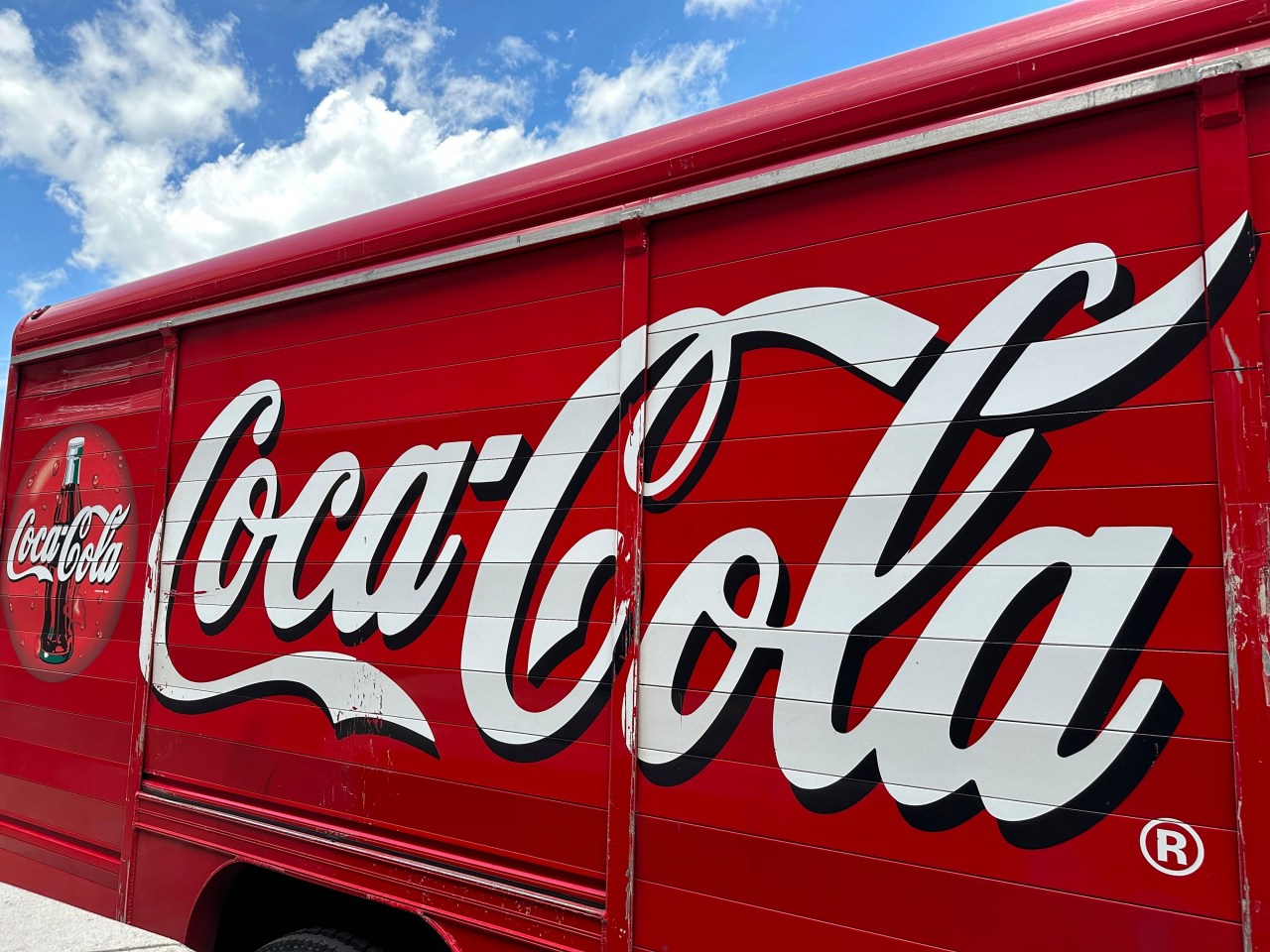
FILE – The Coca-Cola logo adorns the side of a delivery truck, May 15, 2024, in southeast Denver. (AP Photo/David Zalubowski, File)
As Coca-Cola navigates changing consumer preferences and competitive markets, recent financial results highlight both growth and challenges. The company enjoyed a slight uptick in demand worldwide during the fourth quarter, yet investor concerns regarding its future performance have led to a decline in share prices.
Coca-Cola reported a 1% increase in global unit case volumes during the October-December period, driven primarily by markets in the U.S., Japan, and Brazil. Notably, North America also recorded a 1% rise, reversing several previous quarters marked by stagnant or declining sales.
Despite the increased volume, the company’s fourth-quarter net revenue disappointed analysts, leading to expectations of a 4% to 5% rise in organic revenue for 2026. Last year, organic revenue saw a growth of 5%, but analysts were anticipating a similar trend this year.
As a result, Coca-Cola’s shares dropped by 2% during morning trading on Tuesday.
The company is actively addressing sluggish demand in markets such as China, India, and parts of Europe. To this end, Coca-Cola raised prices by 4% in North America and 1% globally during the quarter, although it has also lowered prices in specific European and Asian markets in an effort to stimulate demand.
Concerns over government regulations aimed at reducing sugary drink consumption may further constrain sales this year. In Mexico, a significant market for Coca-Cola, a tax on sugary beverages took effect on January 1.
In the United States, various states have initiated restrictions on food purchases for recipients utilizing the federal government’s Supplemental Nutrition Assistance Program (SNAP). Recently, Indiana, Iowa, Nebraska, Utah, and West Virginia became the first of at least 18 states to impose waivers that prohibit the use of SNAP funds for buying soda.
Coke Chairman and CEO James Quincey expressed confidence that the SNAP waivers will not significantly impact sales, as consumers are likely to spend their cash on certain items if SNAP does not cover them.
“Clearly, we think that consumers should be allowed to choose, but regulation is regulation,” Quincey remarked in a conference call with investors. “That just puts the challenge on us to give them the category, the beverage, the brand, the pack size, the price point that works for them.”
In response to market needs, the company recently launched 7.5-ounce mini cans at North American convenience stores, aimed at making soft drinks more accessible for consumers.
Coca-Cola Zero Sugar performed particularly well in the fourth quarter, with a global sales increase of 13%. Demand for water, sports drinks, coffee, and tea also saw growth, while sales of juices and dairy products lagged. Notably, the company announced plans to discontinue sales of Minute Maid frozen canned juice in the U.S. after 80 years, due to declining sales.
Henrique Braun, who has been with the company for 30 years, is set to become CEO on March 31, replacing Quincey, who will transition to the role of executive chairman.
Braun aims to heighten the company’s focus on innovation, particularly by identifying locally popular brands that can be scaled globally. He cited the Mexican dairy brand Santa Clara, which Coke acquired in 2012 and has recently attained billion-dollar status.
“The world continues to be really open, and the consumer is looking for more innovation at the local level as well. And that’s where we believe that we can make a bigger difference,” Braun stated.
During the October-December period, revenue increased by 2% to $11.8 billion, falling short of Wall Street expectations. Analysts had projected quarterly revenue of $12.05 billion.
Net income rose by 3% to $2.3 billion. Adjusted for one-time items, the company reported earnings of 58 cents per share, exceeding Wall Street’s forecast by 2 cents.
Key Takeaways
- Coca-Cola reported a 1% increase in global unit case volumes for the fourth quarter.
- Net revenue fell short of analyst expectations, prompting a cautious outlook for 2026.
- The company raised prices in North America and globally but also lowered them in some markets to boost demand.
- Government regulations, especially SNAP waivers, may impact sales.
- Coca-Cola Zero Sugar saw a significant sales increase of 13% globally.
- Revenue for the fourth quarter increased to $11.8 billion but did not meet expectations.
FAQ
What is Coca-Cola’s outlook for 2026?
The company expects organic revenue to grow between 4% and 5% in 2026.
Why did Coca-Cola’s shares drop recently?
Shares fell due to investor concerns over lower-than-expected revenue and muted growth projections.
What new products has Coca-Cola launched recently?
Coca-Cola introduced 7.5-ounce mini cans in North American convenience stores to enhance accessibility.
How did Coca-Cola perform in different beverage categories?
Coca-Cola Zero Sugar and categories like water and sports drinks experienced increased demand, whereas juice and dairy suffered declines.
Who will be the new CEO of Coca-Cola?
Henrique Braun, who has been with Coca-Cola for 30 years, will become CEO on March 31.