Maintaining a healthy diet rich in fruits and vegetables is essential for our well-being. However, it’s essential to recognize that many of these foods may be treated with pesticides, genetically modified, or processed in ways that can pose health risks.
The Environmental Working Group (EWG), a nonprofit organization that monitors chemical usage in agriculture, annually publishes its “Dirty Dozen” list. This list highlights the fruits and vegetables most affected by pesticide use. For 2023, a popular fruit known for its nutritional benefits has made a new appearance on this list.
What is the Dirty Dozen?
The Dirty Dozen comprises 12 conventionally grown (non-organic) fruits and vegetables identified as having the highest pesticide residues. In addition, the EWG publishes a list of the cleanest fruits and vegetables, known as the Clean Fifteen. These lists are updated annually, reflecting findings from extensive laboratory testing conducted by various federal agencies.
For 2023, the EWG analyzed over 46,000 samples from 46 different fruits and vegetables, examining residues of 251 pesticides to compile its list.
What fruit was just added to the Dirty Dozen?
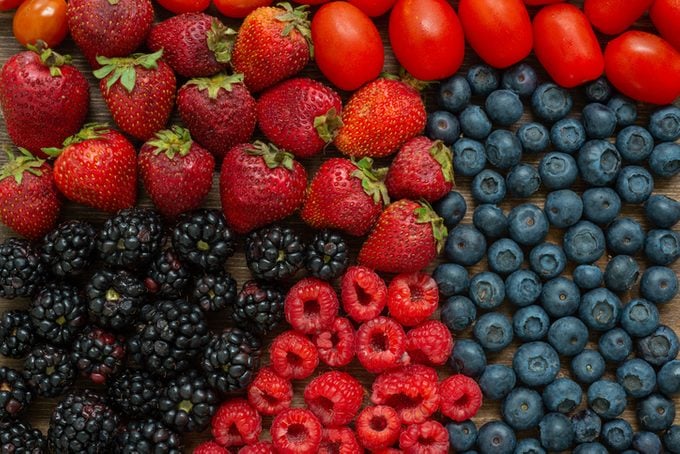
The standout addition to this year’s list is blueberries, now ranked at #11. Researchers found residues of 54 pesticides in these berries, with nearly 80% of samples showing two or more pesticide traces.
Among the concerning pesticides identified are phosmet and malathion, detected in about 10% of the samples. Both pose significant risks to human health, with malathion being classified as “probably carcinogenic” by the International Agency for Research on Cancer.
What other foods are part of the Dirty Dozen?
This year also saw the inclusion of green beans in the Dirty Dozen. Seventy percent of green bean samples tested positive for two or more pesticides, totaling 84 different pesticide residues. Alarmingly, about 6% of samples showed traces of acephate, a pesticide banned by the Environmental Protection Agency a decade ago.
The complete 2023 Dirty Dozen list is as follows, ranked from the highest to the lowest pesticide levels:
- Strawberries
- Spinach
- Kale, collards, and mustard greens
- Peaches
- Pears
- Nectarines
- Apples
- Grapes
- Bell and Hot Peppers
- Cherries
- Blueberries
- Green Beans
How dangerous are pesticides?
Pesticides are fundamentally toxic agents designed to eliminate insects, plants, fungi, and other organisms regarded as pests. Some of the pesticides found on the Dirty Dozen have been outlawed in both the United States and Europe due to their health risks. These risks include an increased likelihood of cancer, hormone disruption, and various brain and nervous system problems, as documented by independent scientists, government agencies, and medical professionals.
It is essential to note that while the residue levels on produce usually meet legal standards, this does not guarantee safety! Children, whose brains are still developing, are especially vulnerable to pesticide exposure. In a 2020 study, the EWG revealed that the EPA had inadequately considered children’s health when establishing permissible limits for 90% of commonly used pesticides in the United States.
What can I do to reduce pesticide residues on these foods?
The way you wash your fruits and vegetables is crucial. Luckily, the FDA has provided comprehensive guidelines for effective cleaning. Follow these steps to ensure your fruits and vegetables are as clean as possible:
- Wash your hands thoroughly with warm water and soap for 20 seconds.
- Remove any bruises or damaged spots from the produce.
- Rinse the produce gently under running water. According to the FDA, there is no need for soap or special washes; a clean produce brush can be helpful for firm items.
- Dry the produce with a clean towel.
- If applicable, peel the vegetable or remove the outermost leaves (particularly for cruciferous vegetables).
- Wash your hands again, as previously described.
Stay informed by subscribing to The Healthy @Reader’s Digest newsletter and follow The Healthy onFacebook, Instagram, and Twitter. Continue exploring: