What’s Behind the Fibremaxxing Trend?
Chris, by email
Recently, the trend of fibremaxxing has taken center stage on social media, sparking discussions on the importance of fiber in our diets. Many health experts agree that increasing our fiber intake is crucial, as it’s often overlooked. “Fibre needed its moment, so this is a positive development,” comments dietitian Priya Tew. Fiber, a non-digestible carbohydrate, serves two primary functions: Insoluble fiber, found in whole grains, brown rice, and vegetable skins, acts like a broom, effectively cleansing the digestive system. On the other hand, soluble fiber, present in oats, beans, and lentils, behaves like a sponge, forming a gel in the gut that aids digestion and promotes regularity. Additionally, fiber plays a role in lowering cholesterol levels and stabilizing blood sugar.
So, how much fiber do we actually need? “The target is 25-30 grams per day, yet most of us only consume around 15-18 grams,” Tew notes, indicating there’s room for improvement. However, some enthusiasts of the #fibremaxxing movement aim for even higher intakes, which can lead to discomfort. “Excessive fiber can cause bloating, constipation, or abdominal pain,” she explains, especially if the increase is too abrupt. “The body needs time to adapt to these changes.”
It’s essential to approach this gradually. “Consider incorporating more fiber into each meal,” Tew suggests. For breakfast, you might sprinkle chia seeds or linseed over your porridge, or add fruit like bananas or raspberries, which are fiber-rich. Don’t forget a spoonful of nut butter for added flavor and nutrients.
For soups, the same sprinkle strategy works well. Boost fiber by adding lentils—try “carrot and lentil” instead of the usual carrot and coriander—and pair with whole grain or rye bread. “The classic carrot and hummus makes for a great snack, as do apples with the skin on, paired with almond butter.” You can also enjoy popcorn and roasted chickpeas—seasoned with smoked paprika, ground cumin, and coriander—as fiber-rich snacks.
At dinner time, Niall Kirkland, author of The Good Bite Easy: High Protein, High Fibre, Delicious Meals, recommends a one-pan dish featuring creamy beans and lentils. “Sauté an onion with garlic, add a dollop of miso, then mix in butter beans, lentils, stock, and blended silken tofu for a protein boost. Simmer until thick, then garnish with soft cheese and chili oil, served alongside toasted sourdough—you’ll be in heaven.”
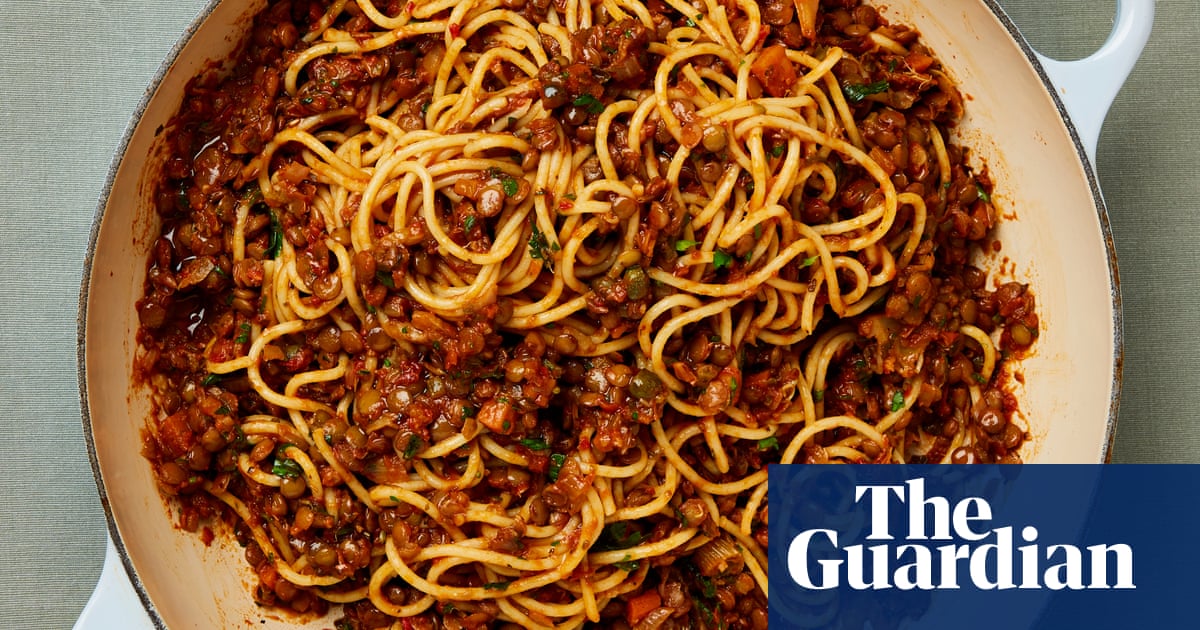
Tew emphasizes the use of pulses, suggesting that you add lentils to chicken curries and pasta sauces or toss kidney beans into chili. Just be sure to serve these with basmati or brown rice, as they offer superior fiber content. “Think about how you can sneak in a bit of fiber without overdoing it; otherwise, you’ll end up feeling unpleasant,” she warns. Minimizing discomfort is key in achieving a balanced and healthy diet.