In recent developments, global tensions continue to rise amid ongoing conflicts and military strategies. This article outlines significant events in the geopolitical landscape, highlighting military actions, policy discussions, and grassroots activism. Here’s a summary of the latest updates.
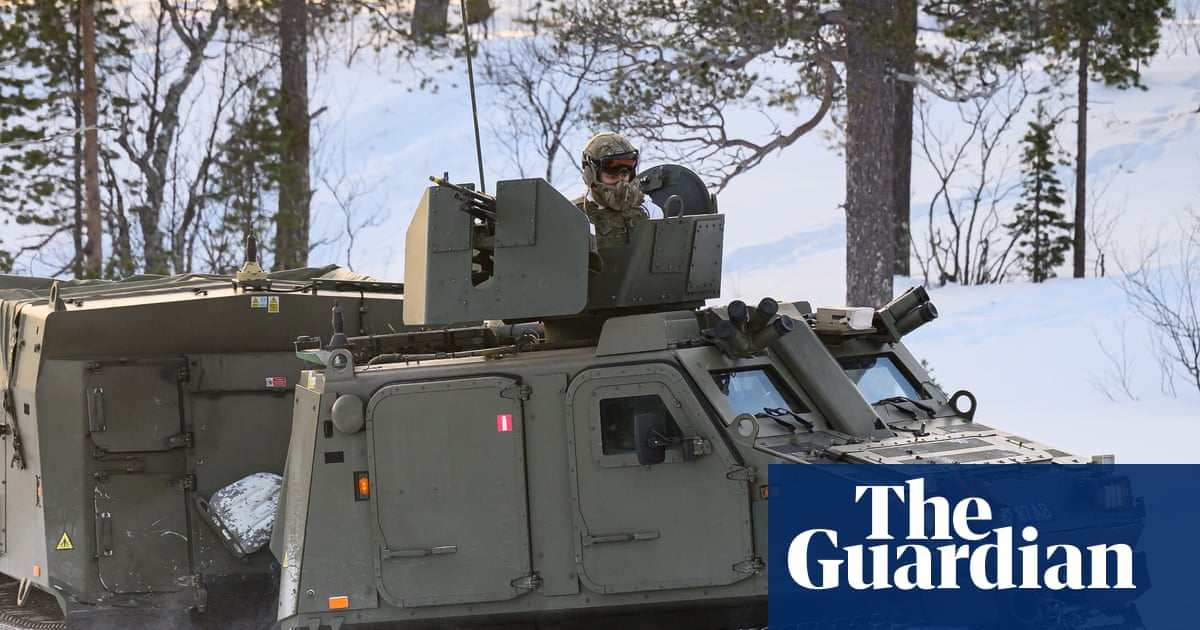
The number of British troops in Norway will double as part of efforts to bolster defences in the high north against Russia. British defence secretary John Healey announced during a visit to Royal Marines at Camp Viking in the Norwegian Arctic, with plans to increase troop deployment from 1,000 to 2,000 over the next three years. Healey stated, “Demands on defence are rising, and Russia poses the greatest threat to Arctic and high north security that we have seen since the Cold War. We see Putin rapidly re-establishing a military presence in the region, including reopening old Cold War bases.” The UK will also commit forces to NATO’s Arctic Sentry mission, aimed at improving security in the region and addressing concerns raised by Donald Trump regarding Greenland. The commitment to strengthen Arctic defence coincides with comments from former British head of armed forces, General Sir Nick Carter, who emphasized the need for greater European cooperation to deter Russia and support Ukraine.
A Russian strike killed four people, including three small children, in a town west of Ukraine’s second-largest city of Kharkiv, according to the regional governor. Oleh Syniehubov reported via Telegram that the three children, all under the age of two, died alongside a 34-year-old man in the town of Bohodukhiv. A 74-year-old woman was injured in the incident. Reuters has been unable to independently verify this report.
Ukrainian President Volodymyr Zelenskyy convened top military officers on Tuesday to address weaknesses in air defence and additional measures for protecting civilians from attacks. “Many changes are happening right now in the work of air defence. In some regions, the functioning of teams, interceptors, and mobile fire units is undergoing a complete overhaul,” Zelenskyy stated in his nightly video address. He noted that while air defence is crucial, it represents only a part of the broader defense strategy that requires adjustment. The president is also evaluating whether local authorities are providing power and heating to high-rise apartments following attacks, particularly criticizing officials in Kyiv. Zelenskyy has repeatedly emphasized the importance of enhanced air defences in safeguarding urban areas and has urged Kyiv’s Western allies to supply more weaponry to counter incoming missiles and drones.
Russia’s internet watchdog has announced it is restricting the use of the Telegram messenger platform, seeking to shift citizens towards a more tightly controlled domestic online service. The Roskomnadzor agency issued a statement through state media indicating that it will “continue to introduce phased restrictions” on Telegram due to its non-compliance with the law. This law mandates that data concerning Russian users be stored within the country and outlines actions to combat what Moscow labels as “criminal and terrorist” usage. Critics and human rights advocates consider these restrictions a blatant attempt by the Kremlin to enhance control and surveillance, particularly against dissent amid the ongoing Ukraine conflict. Amnesty International has condemned the move as “censorship and obstruction under the guise of protecting people’s rights.” Some pro-war bloggers using Telegram have also denounced the measure, arguing it would disrupt communications at the frontline and in Russian-occupied territories.
South African President Cyril Ramaphosa engaged in discussions with Vladimir Putin about the repatriation of South Africans recruited to fight for Russian forces in Ukraine, according to his office. In November, the South African government reported receiving distress calls from 17 men trapped within the conflict zone in Ukraine’s Donbas region after being misled into joining mercenary forces. President Ramaphosa and President Putin expressed their commitment to facilitating the return of South Africans involved in the fighting alongside Russian troops.
EU foreign policy chief Kaja Kallas announced her intention to propose a list of concessions for Europe to demand from Russia as part of a potential resolution to the war in Ukraine. “Everybody around the table, including the Russians and the Americans, needs to understand that European agreement is essential for a peace deal,” Kallas informed reporters in Brussels. “Our conditions should not be placed on Ukrainians, who have already endured considerable pressure, but rather on the Russians.”
Ukrainian athletes have increasingly resisted International Olympic Committee regulations prohibiting protests against the Russian invasion during competitions, reflecting rising frustration over a recent decision to ban a “helmet of memory” honoring the country’s war dead. On Tuesday evening, skeleton racer Vladyslav Heraskevych revealed that he continued to wear the helmet, which depicts athletes lost during the war, during practice runs in Italy in defiance of the Olympic organizers.
Key Takeaways
- The UK plans to double its troop presence in Norway as part of its Arctic defence strategy against Russia.
- A Russian strike has tragically claimed the lives of four individuals, including three young children, in Ukraine.
- President Zelenskyy is focusing on enhancing air defence measures to better protect civilians from attacks.
- Russia is limiting access to Telegram to promote a more controlled domestic messaging service.
- Discussions between South Africa and Russia are underway regarding the return of South African nationals involved in the Ukraine conflict.
- The EU is preparing a list of concessions to be demanded from Russia in ongoing peace negotiations.
- Ukrainian athletes are openly protesting IOC rules against demonstrating their opposition to the Russian invasion.
FAQ
What measures is the UK taking to enhance Arctic security?
The UK is doubling its troop deployment in Norway, increasing from 1,000 to 2,000 over three years as part of its Arctic defence initiatives.
Why are athletes protesting against the International Olympic Committee?
Ukrainian athletes are expressing defiance against IOC regulations that prevent them from protesting the ongoing Russian invasion, highlighting their frustrations regarding bans on expressions of solidarity for their war casualties.
What is the purpose of the EU’s proposed concessions to Russia?
The proposed concessions aim to establish terms that Europe requires from Russia as part of potential peace negotiations to resolve the war in Ukraine.
How are the recent military actions affecting civilians in Ukraine?
Russian military actions have resulted in civilian casualties, including recently reported deaths of children, prompting increased scrutiny on Ukraine’s air defence strategies to protect its populace.
What restrictions is Russia imposing on communication platforms?
Russia is implementing phased restrictions on the Telegram messenger service in an effort to steer citizens towards domestically controlled online communication platforms.
As global tensions remain high, these developments reflect the ongoing complexities of international relations and domestic responses. Continuous monitoring of these events is essential for understanding the broader implications for national and international security.