The trustworthiness of the newly introduced U.S. food pyramid is under scrutiny. According to a government website dedicated to this dietary framework, the feedback is mixed.
Kyle Diamantas, who leads the Human Foods Program at the Food and Drug Administration, recently informed the public about a generative artificial intelligence (AI) tool now featured on the government’s transformative realfood.gov platform. This tool, titled “Use AI to get real answers about real food,” is designed to offer parents and consumers straightforward, concise answers with just a click of a button, as noted by Diamantas in a post on X platform.
However, this quick access leads users to Grok—a generative chatbot affiliated with the X social media platform owned by Elon Musk, a former adviser to the Trump administration. When posed a question about whether the new food pyramid is based on robust research, Grok reveals: “Many nutrition scientists and organizations have raised concerns about the quality of the evidence and the process leading to the final version.” While the guidelines suggest reducing added sugars and ultra-processed foods supported by research, Grok argues that “the focus on saturated fats and animal proteins contradicts established evidence.”
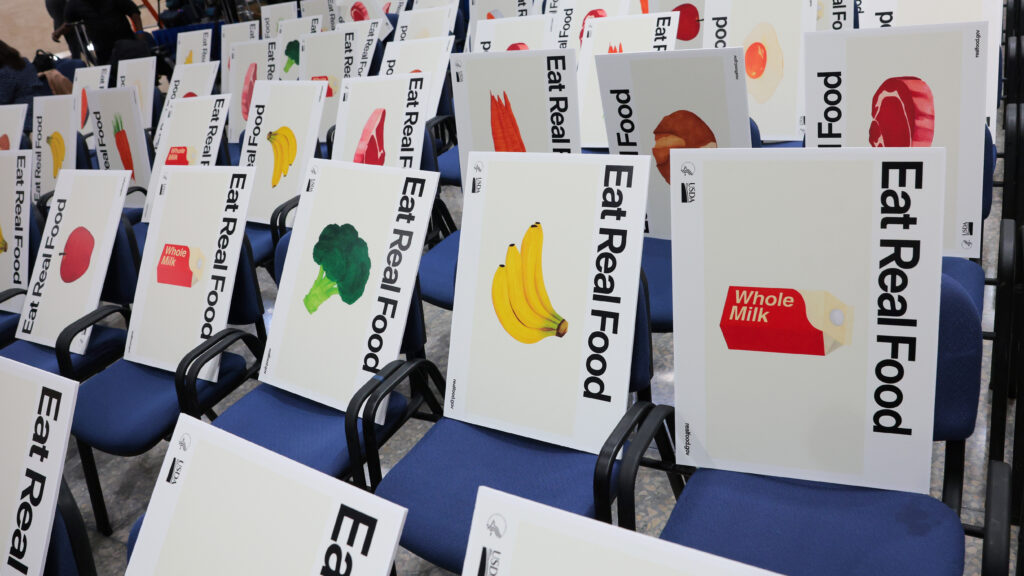
This assessment reflects the varied reactions from the nutrition community towards the new dietary guidelines and pyramid, which prominently features items like rib-eye steak and butter, in addition to more universally accepted choices like broccoli, salmon, and olive oil. Generally, researchers express caution about relying on AI for nutritional guidance.
“The use of AI can provide tailored nutrition solutions efficiently and affordably,” stated Alyssa Moran, a nutrition policy researcher and epidemiologist at the University of Pennsylvania. However, she points out that generative AI, similar to human health care providers, often reinforces negative stereotypes related to weight and eating habits, such as stigmatizing obesity. She emphasizes that these models require more rigorous evaluations of their responses to nutritional inquiries before they are deemed suitable for widespread use, especially when marketed by government entities responsible for public health.
The National Design Studio, which contributed to the dietary guidelines website, has yet to respond to inquiries for a comment.
The Grok tool also provides sample questions, many of which emphasize “REAL FOOD.” One example asks how to feed a vegetarian family that loves Indian cuisine on a budget of $200 a week. Grok suggests lentils, rice, and buying in bulk.
In another example, a question is posed about “REAL FOOD” options during pregnancy. Grok advises including “Folic acid/folate (400–800 mcg/day, often via prenatal vitamin)” along with food sources like fortified cereals and leafy greens. However, medical organizations recommend that pregnant individuals actually take folic acid supplements to avert birth defects rather than relying solely on dietary sources. Grok fails to differentiate this important aspect, which could unintentionally fuel misconceptions about folic acid supplements that some wellness influencers promote.
Despite concerns regarding the reliability of large language models, Americans are increasingly turning to them for health-related queries. A recent study published in Nature Medicine highlights that the way people frame their questions significantly impacts the accuracy of chatbot responses. Co-author Adam Mahdi, an associate professor at the Oxford Internet Institute, explains via email that evaluation inaccuracies often occur when chatbots are assessed in artificial settings. This is why they may outperform human doctors in ideal conditions only to struggle in real-world scenarios.
This variability means users might encounter a range of experiences with the Grok tool when seeking information. However, some reporters at STAT found it entertaining to test its capabilities. One journalist inquired about the appropriate amount of butter to consume daily, given its significant representation in the food pyramid.
Grok’s answer? Zero; the visual representation of the pyramid is not meant to be taken literally.
The reporter responded, “Thank you. That was rather unclear. Can you suggest a more effective visual format for food guidelines to prevent this kind of confusion?”
Grok recommended abandoning the inverted food pyramid for a more intuitive system like MyPlate.
STAT’s reporting on chronic health issues is made possible by a grant from Bloomberg Philanthropies. Our financial supporters do not influence our editorial decisions.