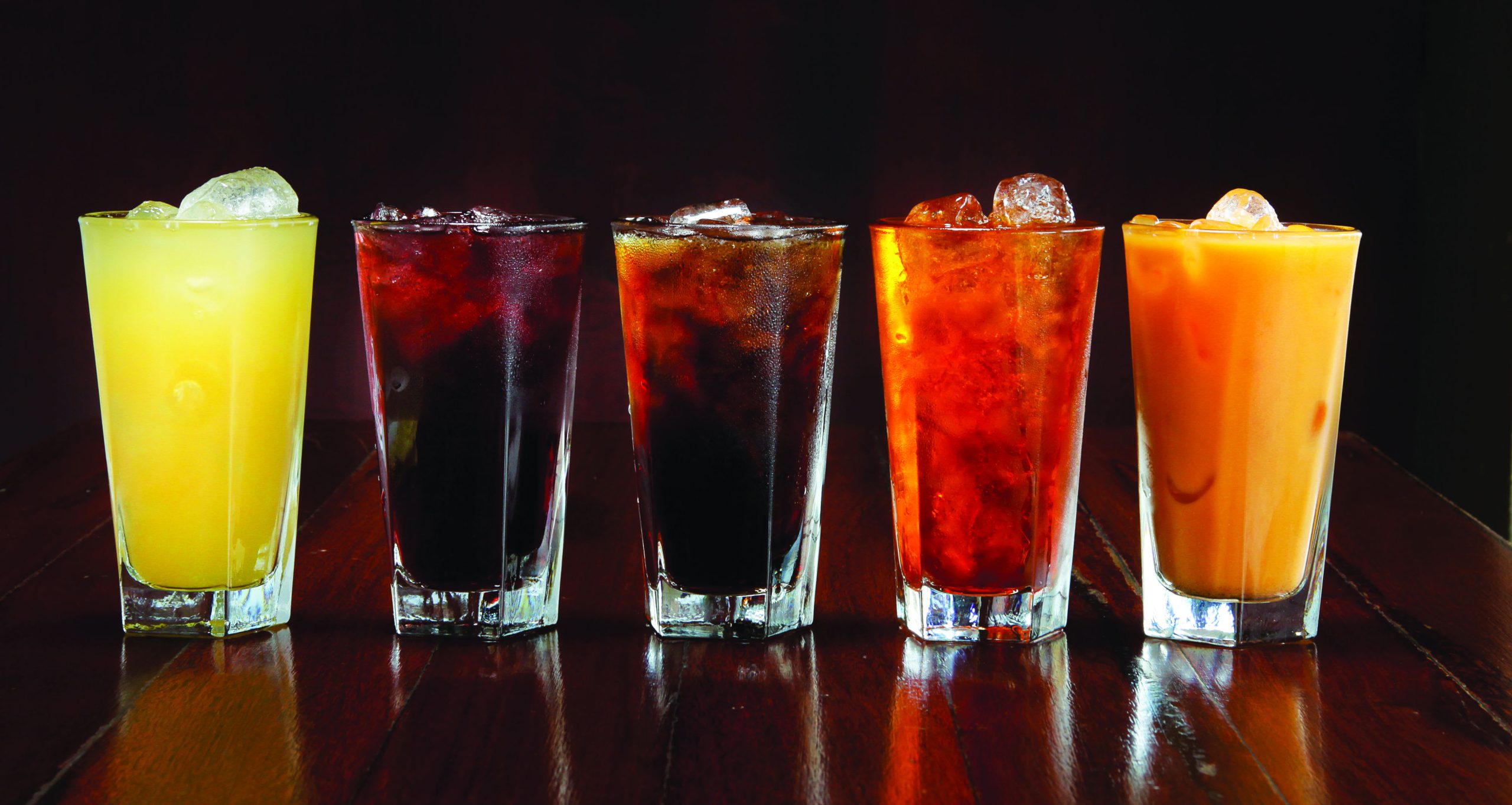
The global soft drinks market is on a dynamic trajectory, fueled by shifting consumer preferences and technological advancements. According to recent research from IMARC Group, the market is projected to expand significantly, highlighting key trends that are shaping its future.
According to IMARC Group’s latest research publication, the global soft drinks market size was valued at USD 629.2 Billion in 2024. Looking forward, IMARC Group expects the market to reach USD 886.2 Billion by 2033, exhibiting a growth rate of 3.84% during 2025-2033.
How AI is Reshaping the Future of Soft Drinks Market
- Flavor Innovation and Product Development: Machine learning platforms analyze consumer preferences, social media trends, and sales data to predict winning flavor combinations.
- Personalized Consumer Engagement and Marketing: AI-powered recommendation engines analyze purchasing behavior and demographic data to suggest products customers are likely to enjoy.
- Quality Control and Real-Time Defect Detection: Computer vision and sensor-based ML systems monitor production lines in real-time, identifying contamination, color inconsistencies, and foreign matter with exceptional accuracy.

Soft Drinks Industry Overview
The global soft drinks industry is undergoing a major transformation, driven by heightened health consciousness and innovative product formulations. Significant players such as Coca-Cola and PepsiCo are now introducing prebiotic sodas to remain competitive against functional beverage brands like Olipop and Poppi, which have seen the digestive health soft drinks category expand from USD 197 million in 2020 to approximately USD 440 million.
Soft Drinks Market Trends & Drivers
The functional beverage phenomenon is reshaping the soft drinks sector as consumers increasingly seek gut health and wellness advantages beyond mere refreshment. Prebiotic sodas, immunity-boosting drinks, and energy-enhancing formulations are rapidly emerging as the fastest-growing segment, with millennials and Gen Z driving trends through social media influence.
Premiumization and artisanal products are also gaining traction, as consumers lean towards high-quality, craft beverages that offer unique flavor experiences and superior ingredients. Small-batch producers and craft beverage makers are distinguishing themselves with innovative taste profiles incorporating natural ingredients, exotic flavors like elderflower and lychee, and sustainable production methods.
Digital transformation and e-commerce growth are revolutionizing distribution channels and consumer engagement strategies throughout the soft drinks industry. Online platforms and mobile ordering have seen significant acceleration, with hypermarkets and supermarkets capturing 41.2% of the market, while convenience stores and digital channels rise in response to on-the-go lifestyles.
Leading Companies Operating in the Global Soft Drinks Industry
- Arizona Beverage Company
- Asahi Group Holdings Ltd.
- Keurig Dr Pepper Inc.
- National Beverage Corp.
- Nestlé S.A.
- PepsiCo Inc.
- Purity Soft Drinks Ltd.
- Red Bull GmbH
- Refresco Group BV
- The Coca-Cola Company
Soft Drinks Market Report Segmentation
By Product:
- Carbonated
- Non-Carbonated
Carbonated beverages comprise the largest segment, accounting for about 71.4% of the market. This category includes popular drinks such as cola, lemon-lime soda, and root beer, all backed by strong brand recognition from major players like Coca-Cola and PepsiCo.
By Distribution Channel:
- Hypermarkets and Supermarkets
- Convenience Store
- Online
- Others
Hypermarkets and supermarkets dominate the market, holding approximately 41.2% of market share. These extensive retail outlets offer a wide range of beverages and ample promotional opportunities to consumers.
Regional Insights:
- North America (United States, Canada)
- Asia Pacific (China, Japan, India, South Korea, Australia, Indonesia, Others)
- Europe (Germany, France, United Kingdom, Italy, Spain, Russia, Others)
- Latin America (Brazil, Mexico, Others)
- Middle East and Africa
As of 2024, North America accounted for the largest market share at over 35.5%, with the United States alone representing 93.7% of this share. This growth is largely due to rising consumer interest in functional soft drinks and healthier options.
Recent News and Developments in Soft Drinks Market
- February 2025: Coca-Cola launched Simply Pop, a prebiotic soda featuring six grams of fiber, no added sugar, and 25-30% real fruit juice, marking the beverage giant’s entry into the fast-growing functional soda market to compete directly with brands like Olipop and Poppi.
- July 2025: PepsiCo introduced Pepsi Prebiotic Cola in traditional Cola and Cherry Vanilla flavors, which contains three grams of prebiotic fiber, five grams of cane sugar, and thirty calories, positioning the 132-year-old brand in the better-for-you soda segment.
- September 2025: Red Bull initiated the construction of a USD 1.7 billion manufacturing and distribution facility in Concord, North Carolina, projected to produce three billion cans annually and create 700 jobs by the time it becomes operational in 2028.
Note: If you require specific details, data, or insights that are not currently included in the scope of this report, we are happy to accommodate your request. As part of our customization service, we will gather and provide the additional information you need, tailored to your specific requirements. Please let us know your exact needs, and we will ensure the report is updated accordingly to meet your expectations.
Key Takeaways
- The global soft drinks market is projected to grow from USD 629.2 billion in 2024 to USD 886.2 billion by 2033.
- AI is enhancing flavor innovation, personalized marketing, and quality control in the soft drinks sector.
- Health-conscious consumers are increasingly favoring functional drinks, including prebiotic sodas.
- Premium, artisanal options are on the rise, appealing to consumers seeking unique flavors and high-quality ingredients.
- Online and mobile platforms are revolutionizing distribution channels in response to changing lifestyles.
- North America holds the largest market share, driven by demand for healthier soft drink alternatives.
FAQ
What is the fastest-growing segment in the soft drinks market?
Functional beverages, including prebiotic and immunity-boosting drinks, are the fastest-growing segment.
How are companies using AI in product development?
Companies are leveraging AI to analyze consumer preferences and sales data for flavor innovation and personalized marketing.
What trends are influencing consumer choices in soft drinks?
Consumers are increasingly looking for high-quality, functional options that provide health benefits beyond basic refreshment.
Which brands are key players in the soft drinks market?
Major players include Coca-Cola, PepsiCo, Dr Pepper, and several craft beverage producers.
How significant is the e-commerce channel in soft drinks sales?
Online sales are rapidly growing, reshaping distribution strategies and consumer engagement in the soft drinks market.
In conclusion, the soft drinks market is evolving in response to consumer demands for healthier and innovative options. With technology at its forefront, the sector is poised for continued growth and transformation.