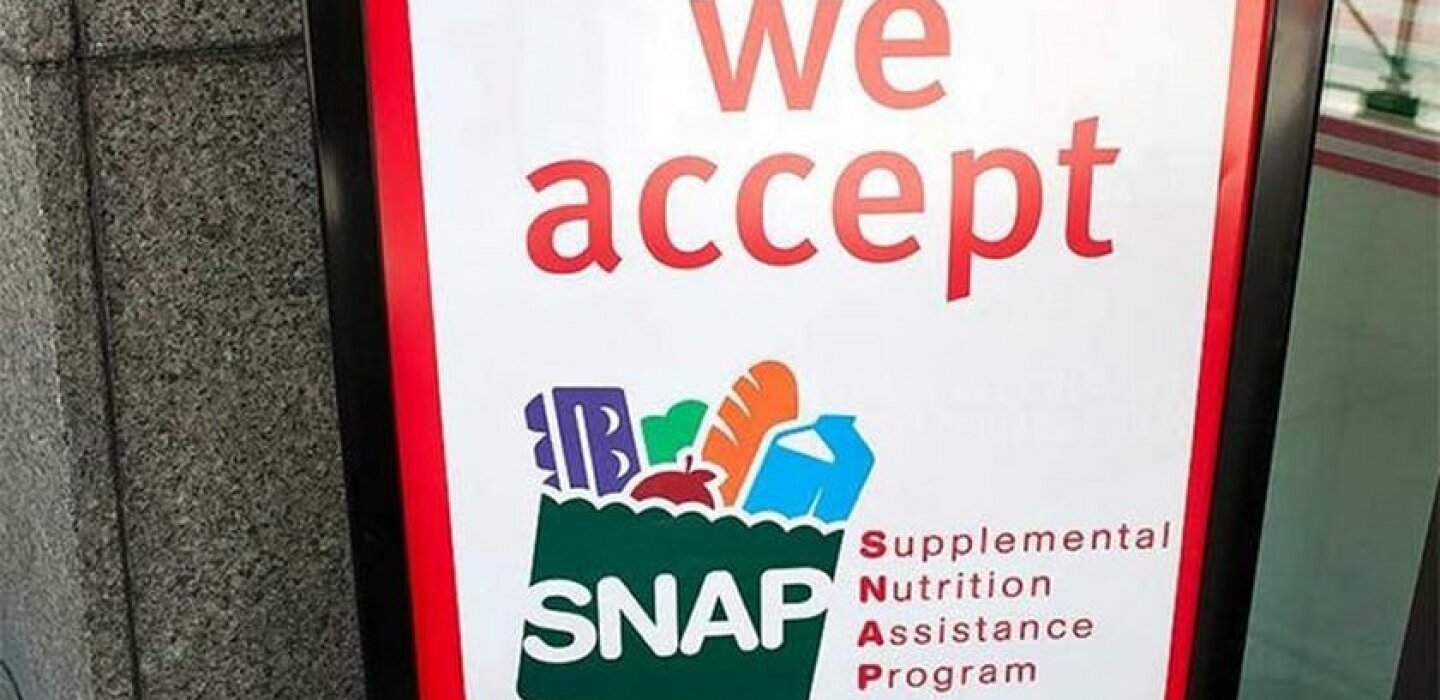
As Lent approaches, Louisiana SNAP beneficiaries may have to adjust their shopping habits due to new restrictions set to take effect on Ash Wednesday. These guidelines will affect the purchase of certain sweetened beverages and candies, following a decision by state health officials.
In the announcement regarding these changes, officials noted that the timing was strategically chosen, coinciding with the end of Mardi Gras celebrations. The U.S. Department of Agriculture approved a waiver allowing Louisiana to implement these restrictions, originally slated for January 1, but approved for a later launch.
“You can still buy soda, you can still buy candy, but you cannot use your SNAP card to do it beginning February 18,” stated Camille Conaway, executive director for economic independence at the Louisiana Department of Health. “So we are going to enjoy our candy and our soda and our energy drinks all the way from Mardi Gras, and then we’re collectively going on a really great diet.”
What Qualifies as a Soft Drink or Candy?
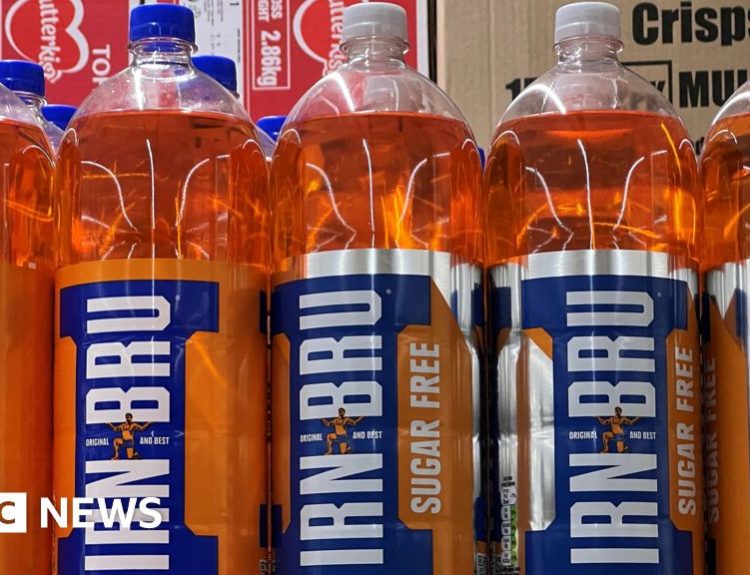
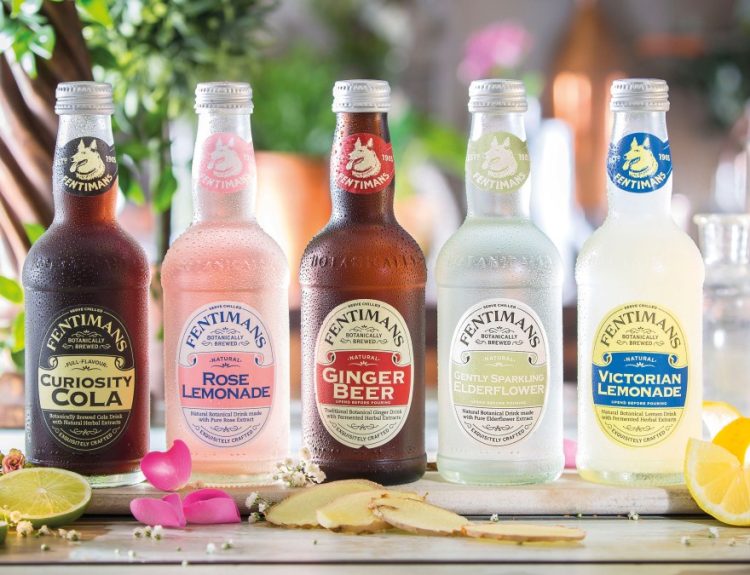
According to a product list compiled by NielsenIQ, approximately 25,000 items will no longer be available for purchase with SNAP benefits. Louisiana’s waiver defines “soft drinks” as any carbonated, non-alcoholic beverage containing high-fructose corn syrup or artificial sweeteners, which includes regular and diet sodas. However, flavored carbonated waters, beverages with milk or milk alternatives, and drinks made up of 50% or more fruit or vegetable juice remain eligible.
Energy drinks that contain added stimulants, such as fortified caffeine or taurine, are also excluded. However, coffee and tea, along with caffeinated beverages lacking added stimulants, will still qualify for purchase.
Candy is categorized as a product containing sugar or sweeteners combined with other ingredients like chocolate, fruits, or nuts. While chocolate bars and gummies are not allowed, items like protein bars and baking ingredients will continue to be available for purchase.
A Wide-Reaching Program
Louisiana is among several states that have sought waivers from the USDA to limit certain SNAP purchases. This initiative is part of a larger movement endorsed by federal health secretary Robert F. Kennedy, Jr., aiming to promote healthier eating.
Different states have varied restrictions; for example, West Virginia limits sugary drinks but not candy, while Texas has its own criteria based on sugar content. Missouri has classified “prepared desserts” as ineligible foods.
Approximately 750,000 Louisianans, or one in five households, rely on SNAP benefits, which are loaded onto cards used at most grocery stores. The average monthly benefit is $377, amounting to around $1.78 billion annually, all federally funded, although the state incurs half of the $337 million in administrative costs, a figure expected to rise next year.
Health Goals, But No Rotisserie Chicken
State officials assert that these restrictions are part of broader health initiatives to foster better eating habits. When these guidelines were first divulged, Governor Jeff Landry indicated that the state would request permission from the USDA for SNAP recipients to buy rotisserie chicken—generally classified as a prepared food item not eligible for purchase but viewed as a budget-friendly option for large families.
As of now, this request remains pending with the USDA, with no specific timeline for approval outlined.
The Louisiana Department of Health is also expanding the Louisiana Carrot Program, which incentivizes SNAP users with 30 cents back for every dollar spent on fresh produce. Currently, over 71,000 individuals are enrolled across 11 parishes, with plans to extend the program to New Orleans and Baton Rouge.
‘Some Confusion’
SNAP’s primary aim is to combat hunger, but about 830,000 residents in Louisiana face food insecurity, lacking sufficient access to nutritious food. The program’s success has traditionally been linked to the discretion it affords families when shopping, raising questions about how these new restrictions might alter purchasing patterns.
Megan Knapp, a public health expert, expressed concern regarding the potential confusion at registers as people try to purchase items they believe are permissible. Retailers, particularly smaller stores, may find it challenging to adapt to the evolving eligibility rules and could even opt out of the program.
Marcus Coleman, a public health researcher, noted cuts to SNAP education funding that could undermine efforts to guide families toward healthier eating.
In rural areas, sugary snacks and drinks may be the only options available, posing further challenges for those living far from grocery stores.
Greenstein clarified that SNAP has always had restrictions. “You can’t buy a six-pack of beer, and you can’t buy paper towels,” he noted, emphasizing that certain limitations have consistently existed in the program.
The waiver banning soda, candy, and energy drinks is set for two years, during which the state must gather data and provide insights on how these changes influence shopping behaviors and health outcomes.
Key Takeaways
- New SNAP restrictions will begin on February 18, following Mardi Gras.
- Approximately 25,000 products, including certain soft drinks and candy, will be ineligible for purchase.
- Rotisserie chicken remains excluded from eligible items, pending approval from the USDA.
- The Louisiana Carrot Program aims to encourage purchases of fresh fruits and vegetables.
- Confusion at checkout may arise as customers adapt to the changes in eligibility for SNAP purchases.
FAQ
What is the main reason for these SNAP restrictions?
The restrictions aim to promote healthier eating habits among SNAP recipients.
How long will these restrictions be in place?
The waiver will last for two years, during which the state will collect data on its impact.
What types of products are excluded from SNAP purchases?
Exclusions include energy drinks, soft drinks containing high-fructose corn syrup or artificial sweeteners, and candy.
Can SNAP recipients still buy coffee and tea?
Yes, coffee and tea remain eligible for purchase with SNAP benefits.
In conclusion, as Louisiana implements these SNAP restrictions, it highlights ongoing efforts to promote healthier lifestyle choices while also addressing potential challenges for recipients. Monitoring how these changes affect food access and shopping habits will be crucial in the coming years.
© 2026 The Advocate, Baton Rouge, La.. Visit www.theadvocate.com. Distributed by Tribune Content Agency, LLC.